Microsoft AI Chief Predicts White-Collar Job Shake-Up

Mustafa Suleyman says AI could automate most desk jobs soon
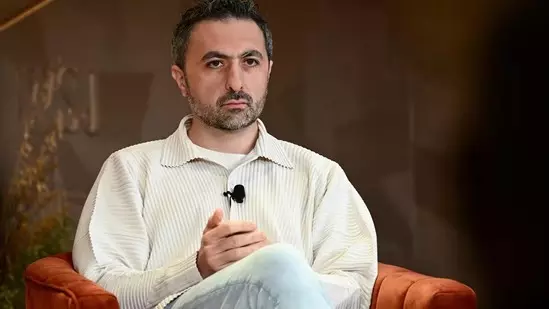
Mustafa Suleyman, CEO of Microsoft AI, has said that artificial intelligence could automate the majority of white-collar tasks within the next 12 to 18 months, fundamentally reshaping office-based professions.
In an interview with the Financial Times, Suleyman stated that jobs such as lawyers, accountants and project managers — roles largely centred around computer-based work — are increasingly vulnerable to automation. According to him, AI systems are rapidly advancing to the point where they can independently manage complex workflows.
He pointed to software engineering as an early example of this shift. Many developers now rely on AI tools to generate much of their code, with human engineers focusing more on high-level responsibilities such as system architecture and deployment. Suleyman noted that this transition has accelerated over the past six months.
He further claimed that some AI models today can code better than the vast majority of human programmers, potentially outperforming all existing human coders in certain tasks.
Looking ahead, Suleyman suggested that building custom AI models could soon become as simple as producing a podcast or writing a blog post. Organisations, he said, will be able to design AI systems tailored to their specific needs. Within the next two to three years, AI agents could be capable of managing large-scale institutional workflows.
Discussing Microsoft’s broader strategy, Suleyman said his goal is to develop “superintelligence” and ensure the company achieves AI self-sufficiency. Microsoft recently renegotiated its long-term partnership with OpenAI, extending intellectual property licensing rights through 2032 as part of that effort.
The remarks come amid growing concern about AI-driven job displacement. Companies including Amazon have announced significant corporate layoffs, citing rising competition and investment in AI technologies.
Microsoft and OpenAI have collaborated since 2019 to advance artificial intelligence systems, with a renewed agreement last year reinforcing their partnership and Microsoft’s exclusive IP rights to OpenAI’s models.
