Google and Samsung to Release AI Smart Glasses in December

13 Nov 2026 2:03 PM IST13 Nov 2026 2:03 PM IST
There will be nine styles in total, with six from Gentle Monster and three models from Warby Parker, all available in multiple colors with either clear or tinted lenses
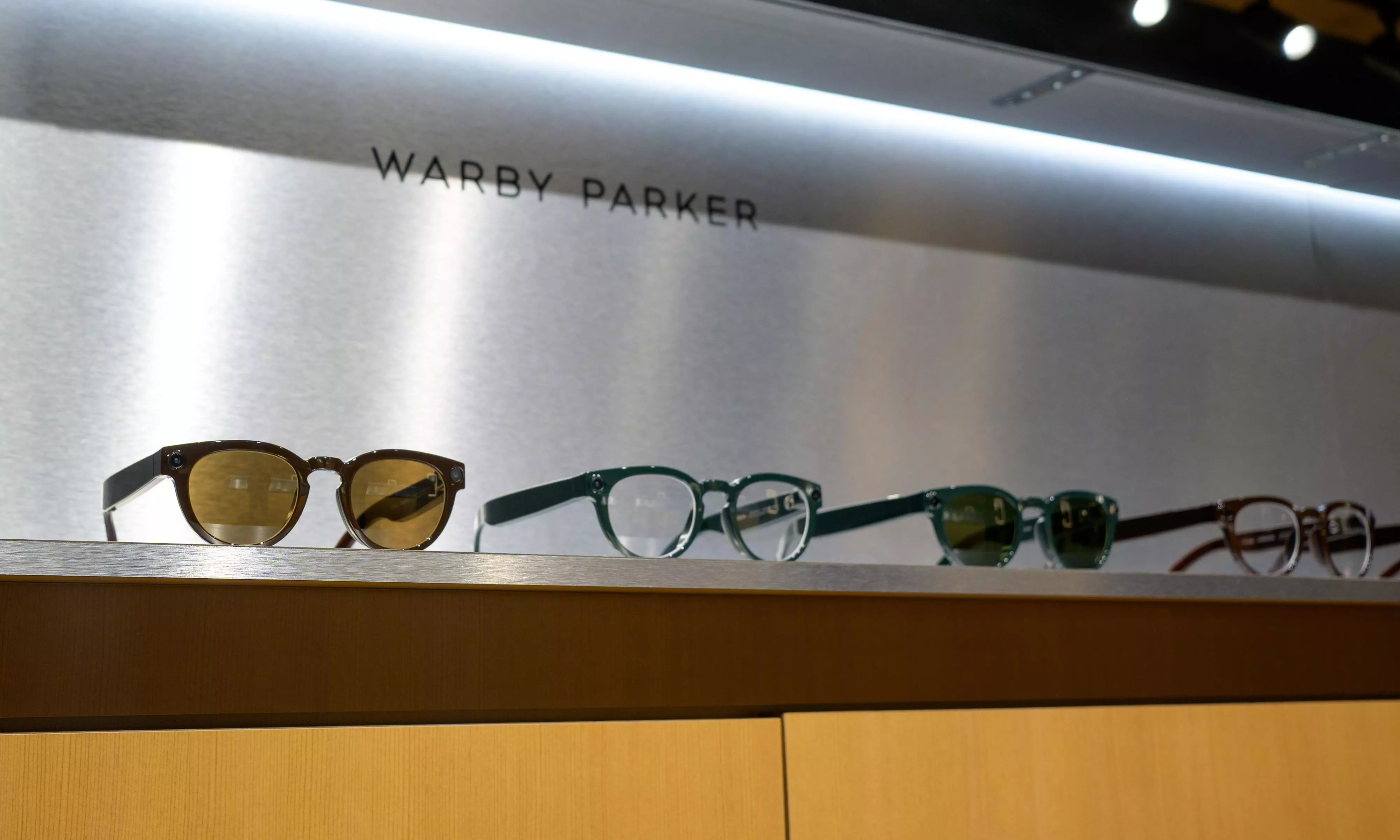
Google won’t be selling the glasses directly. Instead, Warby Parker and Gentle Monster are handling orders. (Photo: Bloomberg)
Google and Samsung opened preorders and detailed the full line of smart glasses that the companies will soon release in partnership with eyewear brands Warby Parker and Gentle Monster, setting in motion a significant challenge to category leader Meta.
There will be nine styles in total, with six from Gentle Monster – priced at $449 — and three $395 models from Warby Parker, all available in multiple colors with either clear or tinted lenses. The glasses will start shipping Dec. 10.
Consumers can place orders with Gentle Monster and Warby Parker through their respective websites and retail stores. Demos will also be available at select Google Stores, though Google won’t be selling the devices directly at launch.
Though they differ in looks, all styles weigh “around” 41 grams, are rated for a maximum of nine hours of battery life, and come with a charging case that can top off the glasses as many as seven times, Google said Thursday in a blog post. The glasses are compatible with iPhones, as well as select Android-powered handsets from Google and Samsung. Google said it has aimed for feature parity between the two mobile platforms.
Similar to Meta’s smart glasses, the Google eyewear features a built-in camera for capturing photos and videos, in addition to giving the company’s Gemini artificial intelligence assistant a view of the world from the user’s perspective. Gemini can be summoned with a “Hey Gemini” voice prompt or by tapping and holding a designated spot on the glasses’ temple. Users can do things like quickly add calendar entries when looking at an invite or event flyer, or ask Gemini for meal suggestions based on the ingredients in front of them.
The glasses, which run Google’s wearables-focused Android XR operating system, can provide turn-by-turn navigation, real-time translation and help users reply to messages or answer calls when their hands are full. They can play music at what the companies describe as a moderate volume so as not to disturb others nearby. The 12-megapixel camera can also capture stills and videos in high dynamic range, or HDR, with built-in microphones recording binaural spatial audio that sounds more lifelike when played back.
As its camera-equipped glasses near release, Google is highlighting several steps it’s taking to preserve user privacy — likely in hopes of sidestepping the same consumer pushback that Meta’s products have received. The category has been unfavorably nicknamed “pervert glasses” by some online critics who are wary of covertly being recorded in public.
Meta, which has added new smart-glasses privacy measures over time, earlier this year launched marketing campaigns to raise awareness of the safeguards it has in place. The company also recently introduced new audio-only glasses that ditch the camera entirely.
Like Meta, Google will prevent its glasses from capturing photos or video if the outward-facing recording indicator light is covered, disabled or tampered with. The company says that faces of bystanders are redacted when a user asks Gemini a question — before Gemini processes visual information — and the AI assistant is designed “to focus on your voice by default, and not other voices around you” through the glasses’ directional microphones.
Before using the device, users must agree not to record others without permission and refrain from recording in sensitive places. Violating these terms could result in glasses being disabled. The company is also taking steps across its platforms to deter misuse as its smart glasses enter the market.
Google Shopping and Google Ads have implemented policies that forbid the sale and advertising of stickers or accessories that could hide recording lights.
Google Play guidelines prohibit apps from using the camera “for social live-streaming or real-time facial identification, and from changing the behavior of the outer indicator light,” according to the blog post.
The company points to YouTube policies that forbid “content that depicts things like harassment and unwanted sexualization.”
“As glasses become more capable, our focus is on creating helpful experiences that make both wearers and bystanders feel protected,” Shahram Izadi, Google’s vice president and general manager of the XR unit, wrote in a separate post published Thursday. “We look forward to advancing this work in collaboration with privacy experts and others across the ecosystem.”
( Source : Bloomberg )


Next Story