Manoj Nagpal On OpenText India’s Innovation-Led Growth Strategy

2 May 2025 5:53 PM IST2 May 2025 5:53 PM IST
"Our approach is to balance business-driven growth with innovation-driven growth, and we are excited about the potential for India to play a significant role in our global innovation strategy."
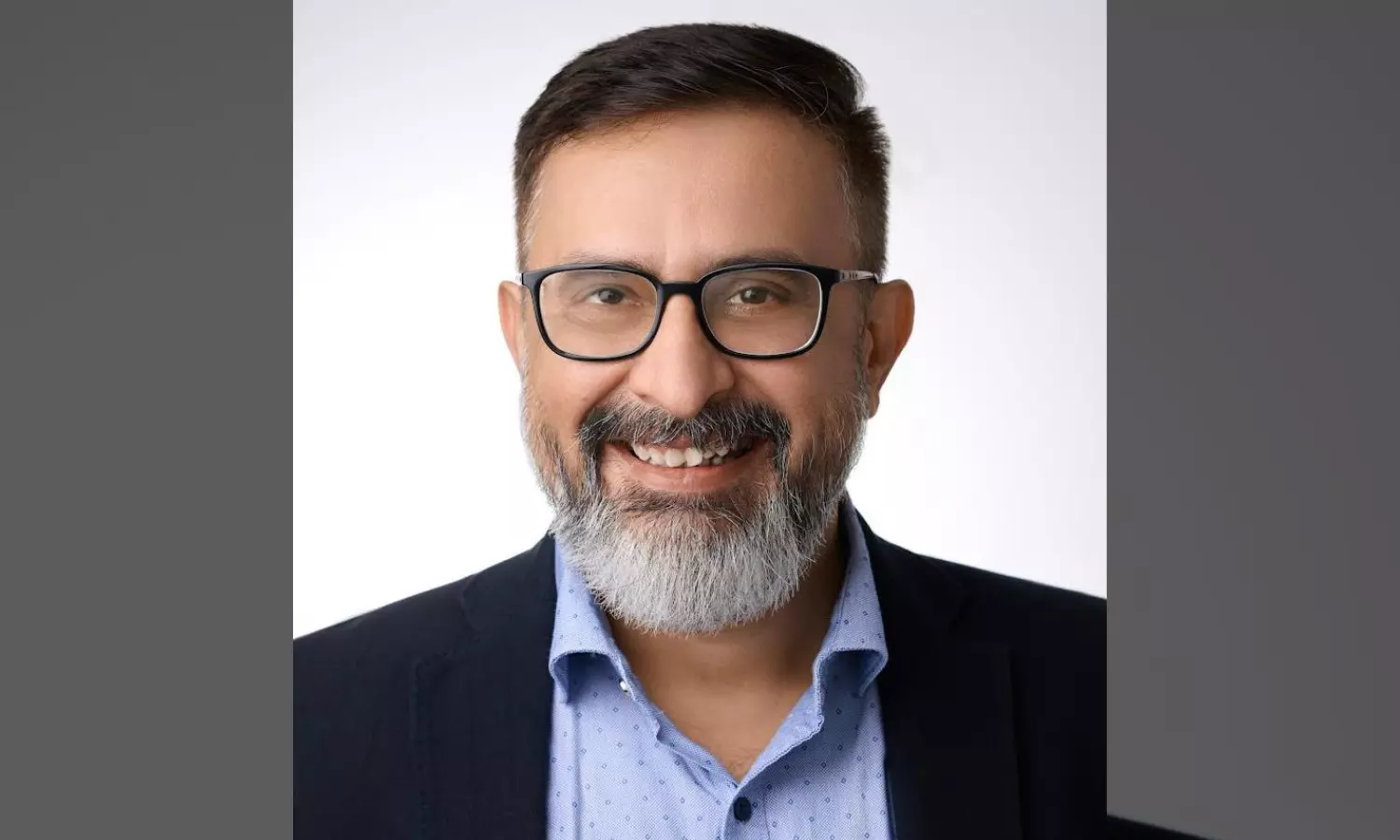
Manoj Nagpal, Managing Director, OpenText India (Photo by arrangement)
In an exclusive conversation with Deccan Chronicle, OpenText India MD, Manoj Nagpal shares insights on the company’s growth strategy, innovation-led initiatives, and commitment to sustainability and social responsibility.
Could you tell us what OpenText India is all about?
OpenText India is 16 years old in India, and we started in Hyderabad. Globally, we have been in business for about 35 years. OpenText India is in the business of enterprise information management, and we are a centre of innovation, not just support or testing. Many product developments are driven from end-to-end here. We have mastered the art of integrations through mergers and acquisitions. Our culture respects incoming companies’ cultures and blends them with our own. In India, 70% of our employees are in product development, which is called R&D in the industry. We also have professional services, cloud operations, customer support, and internal IT.
The value we provide to global customers has significantly increased. A 100% of our AI tools and analytics platforms is developed in India, which is also used by global customers. I agree with Mr. Nilesh Thakkar, President of Zinnov, that GCCs are growth catalyst centers, not just capability centers. India is more than cost arbitration; it’s a growth catalyst for global OpenText. We are growing rapidly; from 6,500 employees we aim to grow up to 10,000 in the next few years.
How does OpenText plan to expand its R&D capabilities in India?
We are expanding R&D in India both horizontally and vertically. Horizontally, our growth is driven by business needs, where R&D funding is tied to the P&L of specific business units like content management. Vertically, we are focusing on innovation-driven growth, identifying new opportunities in areas like AI and life sciences.
We have an ‘idea-to-product’ portal where we incubate new ideas, and these ideas can lead to new product innovations and growth areas. We do not just look at traditional growth, but also explore new directions and industries. Moreover, numbers are important, and we focus on both top-line and bottom-line growth. It is possible that some ideas may not work out, but we are confident that many will succeed and drive growth.
Our approach is to balance business-driven growth with innovation-driven growth, and we are excited about the potential for India to play a significant role in our global innovation strategy.
Talking about innovation-led growth, what forward-thinking HR initiatives is Open Text implementing?
For innovation-led growth, HR plays a crucial role. We need to reskill our current workforce and acquire new talent. It’s a hybrid model where we can’t just hire 2,000 new people and expect innovation; we need to change the culture and create a culture of innovation within the current workforce.
We partner with HR for proactive hiring, identifying talent gaps, and acquiring critical roles like data scientists and AI experts. We have also implemented initiatives like complementary transport and meals, which helped reduce attrition from 25-30% to single digit.
Our employee engagement initiatives, like the site leader program, amplify engagement from multiple perspectives. HR is a strategic partner in driving innovation-led growth, and we are focused on creating the right environment and structure to support our employees.
What initiatives is OpenText India undertaking to drive sustainable actions and social change through its CSR programs?
Our CSR initiatives are guided by the OpenText Zero-In framework, which has three pillars: Zero Compromise, Zero Barriers, and Zero Footprint. Zero Compromise is about transparency and ethical business conduct. Zero Barriers is about diversity and inclusion, where we are working towards 50-50 gender parity and 40% women in leadership roles by 2030. Zero Footprint is about reducing our environmental impact.
Our CSR programs focus on education, digital literacy, and community development. We have adopted schools and villages, and we work with NGOs like Nirmaan to implement customized programs. For example, in our village adoption program, we identify areas of focus like sanitation, education, or promoting sports and arts. Moreover, our employees are closely involved in designing these programs, ensuring they're personally invested in making a positive impact.
We are committed to creating a better future for our communities, and our CSR initiatives reflect that. We have had a lot of success with our programs, and we are excited to continue growing and making a difference.
What opportunities and challenges do you see for Open Text India’s growth and expansion over the next few years?
For me, every challenge is an opportunity. In India, we see huge opportunities for growth and expansion. One of the biggest opportunities is to make India a hub for innovation, especially AI-driven innovation. We are already seeing this happen, with many technical product managers and commercial product managers being hired. We are also seeing Indian leaders taking on global roles, like one of our colleagues, who is leading a global team from Hyderabad.
As for challenges, one of the key ones is hiring at speed while ensuring quality. We need to maintain a balance between speed and quality, and we track this closely. Another challenge is aligning with global leadership, ensuring they see the opportunities we see in India. We have overcome this challenge to some extent by establishing a monthly connect with our CEO and executive leadership team, where we present our progress and plans.
Retention is another challenge we face, like many companies in India. We will always have to work on retaining our talent, as there’s always a possibility of someone being offered a better job elsewhere. We track this closely, conducting stay interviews and exit interviews, and analyzing the reasons for attrition. However, I think this challenge will always be there, and we need to stay vigilant.
( Source : Deccan Chronicle )

Next Story