Apple Postpones Smart Home Display Launch as It Waits for New AI and Siri

10 March 2026 12:09 PM IST10 March 2026 12:09 PM IST
The predicament underscores the need for Apple to catch up in artificial intelligence
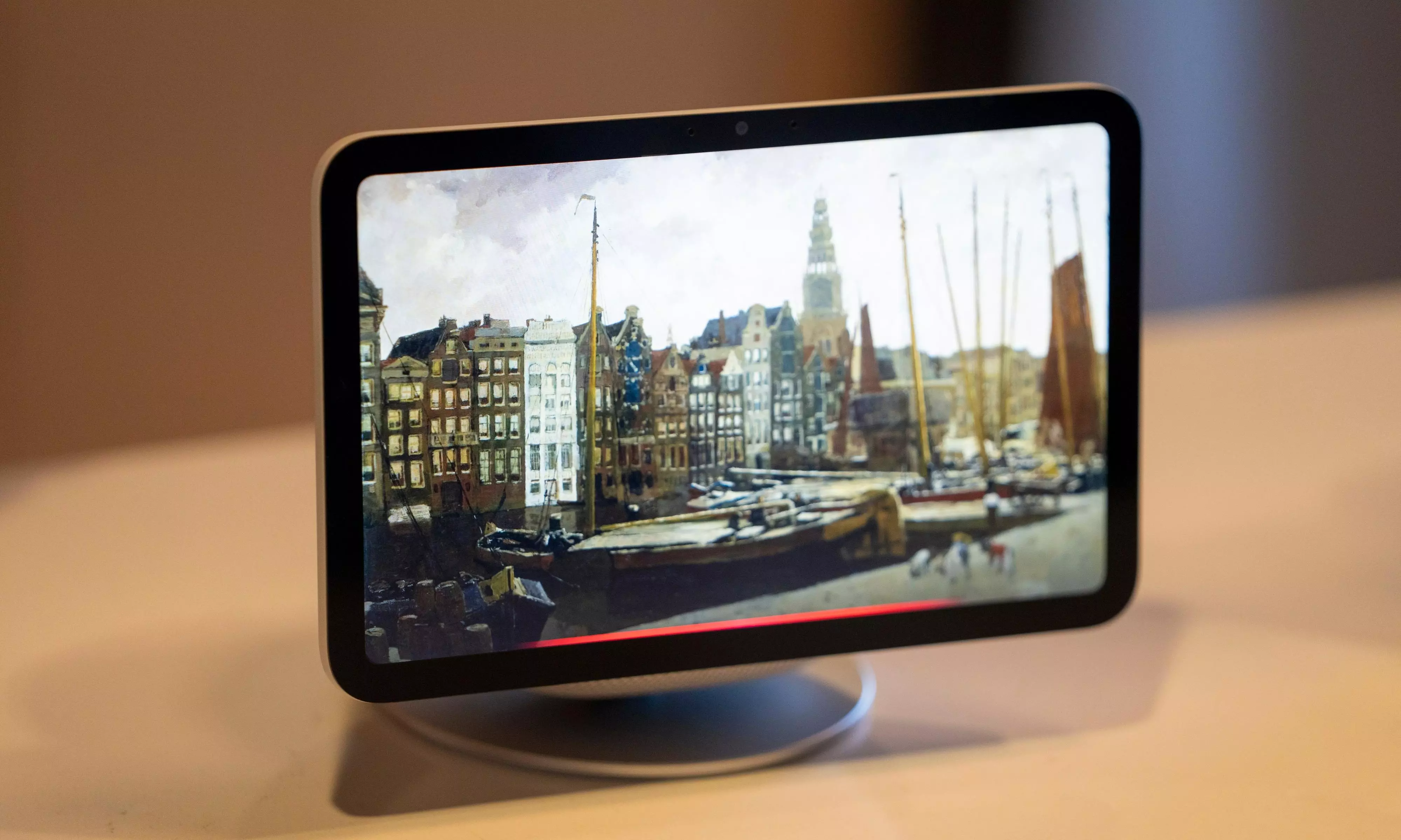
The Apple device will be similar to Amazon’s Echo Show speaker. (Photo: Bloomberg)
Apple’s artificial intelligence struggles are rippling through its product plans, forcing the company to delay a long-in-the-works smart home display until later this year, according to people with knowledge of the matter.
The product, code-named J490, was first scheduled for spring 2025 but was postponed to let the company finish work on a new Siri digital assistant — an integral piece of the device’s interface.
Apple had then planned to release the display this month, when it hoped the new Siri would be ready, said the people, who asked not to be identified because the deliberations are private. With Siri delayed again, Apple is now postponing the smart home device once more.
The predicament underscores the need for Apple to catch up in artificial intelligence. Siri lies at the heart of its AI strategy — with many future products depending on the technology. But Apple has pushed back long-promised features, including some that were unveiled to consumers nearly two years ago.
That’s created discord between the tech giant’s software and hardware plans. The smart display itself has been finished for several months. But the company is now looking to release it around September, when Apple anticipates that the new Siri will finally be complete.
A spokesperson for Cupertino, California-based Apple declined to comment.
The display, which looks like a square iPad that can be either affixed to a half-domed-shaped speaker base or a wall attachment, is designed to be a central AI hub for the home. The user interface includes a list of circular app icons in a similar arrangement to an Apple Watch’s home screen.
The highlight is a facial recognition-based system that can recognize people when they walk up to the device. With that information, the product can then display personalized data, such as the user’s calendar appointments, reminders, notes, music and news preferences.
Apple is working on a slew of other new AI products, including a pendant, camera-equipped AirPods and smart glasses. Those devices are scheduled for after Siri’s anticipated rollout. That means they’re unlikely to be affected unless there are further development snags.
Apple is aiming to have the all of its new Siri features ready by the time it launches the iPhone 18 Pro in September. The updated Siri will be able to tap users’ personal data to better fulfill queries. Apple is also revamping the interface — and underlying AI models — to make Siri more of a modern chatbot.
The user data features are particularly key to the new home device since it’s meant to provide a personalized experience.
Apple is currently planning for the smart home display to launch with a variation of tvOS 27, a version of its TV set-top box operating system planned for release in September. Apple’s new home operating system is based on the underlying technology found on the Apple TV.
Until the recent delays due to Siri, Apple had been planning for the initial home devices to run a variation of tvOS 26, the current Apple TV software. John Ternus, senior vice president of hardware engineering, has been playing a central role in the smart home efforts and sees it as central to the company’s future growth.
Apple had aimed for all the new Siri features to be ready for its 26.4 software update this year, but is now testing them for the 26.5 and 27 releases, Bloomberg News has reported.
The smart home display has a 7-inch screen, a single USB-C port for power, and the classic Apple silver aluminum casing. It will be the first of multiple Apple home devices. A version with a 9-inch screen attached to a robotic limb is planned for next year. There’s a small home security sensor in the works as well.
Apple has also been working on a new HomePod without a display and an updated Apple TV set-top box, both tied to new artificial intelligence features. The Apple TV hardware hasn’t been updated since 2022, though its software got the new Liquid Glass interface last year.
The company’s smart home rollout is arriving several years after similar products from Amazon.com Inc., Alphabet Inc.’s Google and others. Still, Apple should be able to capitalize on its existing product ecosystem. The company said in January that its user base has topped 2.5 billion.
In recent days, Apple has rolled out a flurry of other new products, including the iPhone 17e, a low-cost MacBook Neo, an iPad Air, external monitors, and refreshes to the MacBook Air and MacBook Pro. But it didn’t discuss any enhancements to its Siri, AI or smart home efforts — something it had previously been aiming to do by this month.
( Source : Bloomberg )

Next Story