Your Spine After 60: Age Is Not a Diagnosis

Sharat Saxena’s spine surgery is a reminder that ageing may change the spine, but it does not have to take away mobility or quality of life
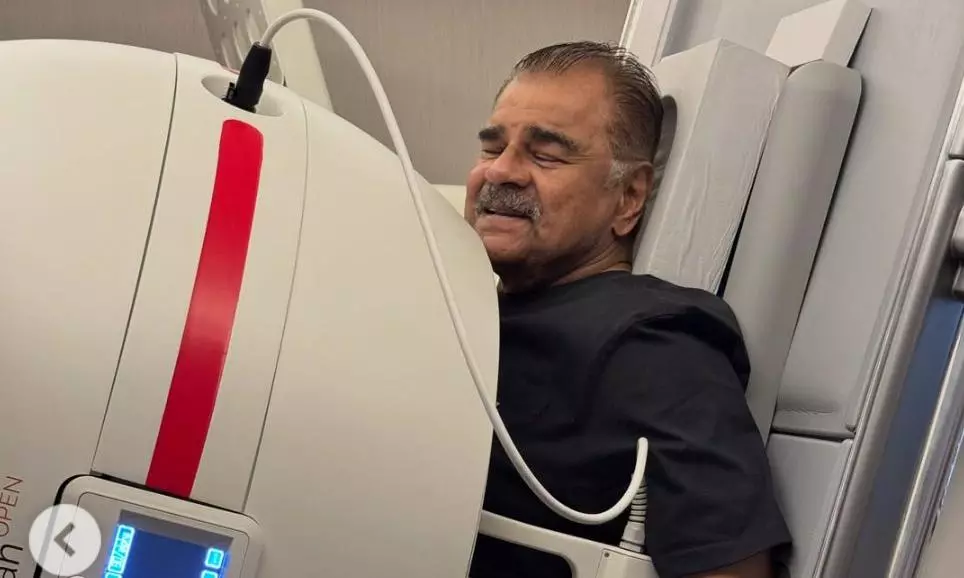
At 76, vetran actor Sharat Saxena underwent a six-hour lumbar spine surgery, a reminder that age alone should not determine treatment. For some older patients, a standing MRI may also reveal spinal problems that a routine lying-down scan can miss. Spinal degeneration is common with ageing, but persistent pain, weakness, numbness or loss of mobility should not simply be dismissed as “old age”.
What happens to the spine with age?
“Ageing brings natural changes to the spine. The discs between the vertebrae can lose height and elasticity, the joints may become arthritic, and the spinal canal can narrow. These changes may cause back pain, stiffness, nerve compression or difficulty walking. But degeneration does not automatically mean disease, and an abnormal scan does not automatically mean surgery is needed. Ageing itself is not a disease,” says Dr Sai Kalyan Savarapu, Senior Consultant Neurosurgeon and Associate Director, Department of Neurosurgery, AIG Hospitals. “Many older people have age-related changes without significant symptoms. What matters is how the spine is functioning and whether symptoms are affecting daily life.”
Keep moving
“One of the best ways to protect the ageing spine is to remain physically active,” says Dr Sai Kalyan. Regular walking, stretching, balance exercises and appropriate strength training can help maintain the muscles that support the spine. “Inactivity can create a vicious cycle: pain reduces movement, muscles weaken, and everyday activities become harder,” he says.
Exercise should be tailored to the individual, particularly for people with pain, weakness, balance problems or an existing spinal condition. The aim is to maintain strength, flexibility and mobility without aggravating symptoms.
Watch your everyday habits
Spinal health is also influenced by everyday movement. Avoid sitting for prolonged periods; get up regularly and move around. Pay attention to posture and use proper technique when lifting or carrying objects. Maintaining core and overall muscle strength can provide better support for the spine.
Eat well. Protect your bones
“Spinal health is closely linked to overall bone and muscle health,” says Dr Sai Kalyan. Adequate protein, calcium and vitamin D are important for maintaining bone and muscle strength as we age. “Maintaining a healthy weight is equally important,” he adds. Excess body weight can increase the mechanical load on the spine and make movement more difficult.
When should you worry?
Persistent or worsening pain deserves attention, especially when it interferes with sleep, walking or routine activities. Pain travelling into an arm or leg, numbness, tingling or weakness may indicate nerve involvement and should be evaluated. “Patients should not dismiss persistent symptoms as ‘just old age’,” says Dr Shighakolli Ramesh, Senior Consultant Neurosurgeon. “A clinical evaluation can help determine whether the problem is muscular, degenerative, neurological or something else.” Sudden weakness, loss of bladder or bowel control, severe symptoms following trauma or rapidly worsening neurological problems require urgent medical assessment.
Surgery is not the first answer — or the last resort
“Surgery is not automatically the answer to an ageing spine,” says Dr Sai Kalyan. Depending on the diagnosis, treatment may include physiotherapy, exercise, medication, activity modification and other non-surgical approaches. “However, when conservative treatment fails and nerve compression, instability or another structural problem is significantly affecting function, surgery may be considered. The decision should be based on the patient’s symptoms, clinical examination, imaging, overall health, functional status and the likely benefits and risks — not simply age.”
Start early
“Spinal health is built over decades. Maintaining strength, flexibility, a healthy weight and good movement habits can help people enter older age with greater physical reserve,” says Dr Shighakolli Ramesh. “For those already experiencing symptoms, early assessment can help identify the cause and prevent avoidable deterioration in mobility and independence,” he adds.
Spine-smart
· Keep moving and maintain muscle strength and flexibility.
· Eat well, with adequate protein, calcium and vitamin D.
· Maintain a healthy weight.
· Avoid prolonged sitting and inactivity.
· Do not ignore persistent pain, numbness or weakness.
· Seek urgent care for sudden neurological symptoms or bladder/bowel changes.
Standing MRI may reveal more
A conventional MRI shows the spine at rest. A standing or dynamic MRI can reveal how the spine, discs and joints behave under weight and movement, potentially exposing instability missed on a routine scan. Dr T. V. Krishna Narayan, Consultant Orthopaedic Spine Surgeon, Kamineni Hospitals, says it can be useful when severe symptoms do not match a conventional MRI, or in patients with facet arthritis, degenerative scoliosis or symptoms that change with movement or position. “A patient with dynamic symptoms may benefit from a standing MRI when a conventional scan does not fully explain the clinical picture.”
When might it help?
· Severe symptoms despite mild MRI findings
· Suspected spinal instability
· Significant facet arthritis
· Degenerative scoliosis
· Pain that changes with bending or position
· Selected cases of dynamic cervical cord compression
