Youngsters Tear T(h)rough Fillers Without a Blink

There is an under-eye filler boom and young adults in their 20s and 30s are getting tear trough fillers earlier than ever
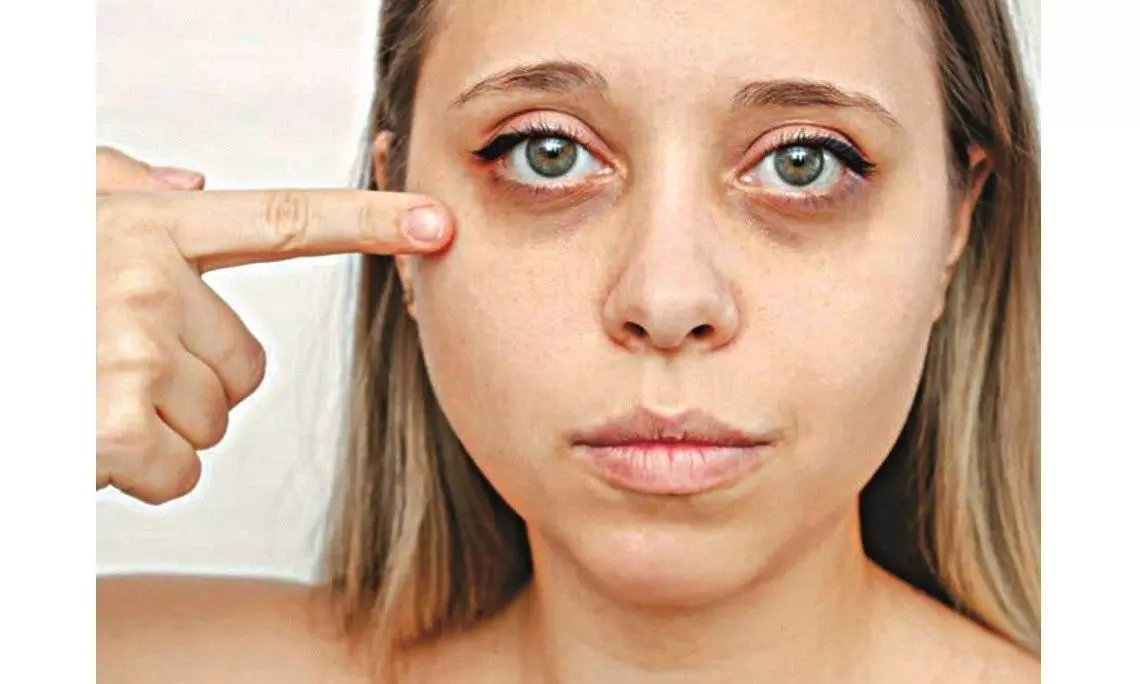
Looks like the younger generation is obsessed with ‘eye-conic’ looks only. Across clinics, dermatology centres, and aesthetic practices, a growing number of young adults in their 20s and early 30s are opting for tear trough fillers — injectable treatments designed to reduce under-eye hollowness, dark circles, and the appearance of fatigue. A cosmetic procedure once associated primarily with ageing is increasingly finding a younger audience.
A Word of Caution
Eye experts and doctors caution that under-eye fillers are not appropriate for everyone. The delicate anatomy of the tear trough area requires careful assessment and an individualised treatment plan. “Not every under-eye concern requires filler treatment,” says Dr. Pooja Chopra, Consultant, Dermatology, Aakash Health-care. “Careful facial assessment and realistic expectations
are essential because the goal should be enhancing natural features rather than pursuing unrealistic beauty ideals or starting cosmetic interventions unnecessarily early.”
Don’t Turn A Blind Eye
The trend reflects a broader shift in cosmetic medicine, where younger consumers are seeking subtle enhancements long before visible signs of ageing emerge. For many, the goal is not to look younger, but to look more refreshed, energised, and camera-ready. Experts say the rise in under-eye filler treatments among younger adults is part of a larger transformation in the way cosmetic procedures are viewed. “The growing interest in tear trough fillers among people in their 20s and early 30s reflects a broader shift in cosmetic medicine from correction to prevention and aesthetic maintenance,” says Dr. Chopra. “Many younger patients are not necessarily trying to reverse ageing but are seeking to address concerns such as genetic under-eye hollowness, dark circles, or a persistently tired appearance.”
An Eye-catching Gen
Unlike previous generations that often turned to cosmetic procedures after age-related changes became pronounced, Gen Z and millennials are increasingly embracing treatments earlier. Practitioners say patients frequently cite hereditary dark circles, facial anatomy, and lifestyle-related fatigue as reasons for seeking intervention.
According to Dr. Vashisht Dikshit, Consultant in Plastic and Cosmetic Surgery at Gleneagles Hospital Parel, younger individuals are becoming more aware of facial features that may have previously gone unnoticed. “Many people in their 20s and early 30s are opting for tear trough fillers due to constant exposure to social media, video calls, and high-definition cameras that make under-eye hollows, dark circles, and tired-looking eyes more noticeable,” he says.
The Digital Mirror Effect
The rise of remote work and virtual communication has played a significant role in changing perceptions of appearance. Hours spent on video conferencing platforms have effectively turned computer screens into digital mirrors, encouraging people to scrutinize their own faces throughout the day.
“During video calls, people spend extended periods looking at their own faces, which increases awareness of perceived imperfections such as dark circles or hollowing,” Dr. Chopra explains. “As a result, many patients now seek cosmetic consultations not because of medical concerns or ageing alone, but because they want to align with highly curated digital beauty standards.”
An Eye For Details
This phenomenon has been amplified by the widespread use of filters and image-editing tools on social media platforms. Flawless, bright under-eyes have become a hallmark of online beauty, making naturally occurring shadows or hollows appear more noticeable by comparison. “There is nothing wrong with going through some cosmetic changes if it makes you look and feel better,” opines Karishma Singh (24), an aspiring model, who has undergone an under-eye filler job to conceal her dark circles.
The pressure to appear constantly alert and energetic has become particularly pronounced in professional settings, where being “well-rested” is often
associated with productivity, health, and confidence. Namita Srivastava, a Marketing Head professional, says, “My under-eyes have always been hollow. It’s genetic. Even as a kid, my eyes would look tired and hollow. Trough fillers were the best option for me because they just changed the way my whole face looked, just rejuvenated my whole look.”
Lifestyle Factors Fuel Demand
Beyond digital influences, experts point to modern lifestyle habits that can make under-eye concerns more visible even among younger individuals. Stress, irregular sleep schedules, excessive screen time, and demanding work environments can contribute to the appearance of dark circles and facial fatigue. While fillers cannot solve the underlying causes of exhaustion, they can soften shadows and restore volume in the tear trough area, creating a more refreshed appearance.
“Genetics, stress, lack of sleep, screen time, and fast-paced lifestyles are also causing younger individuals to experience early volume loss or shadowing under the eyes,” says Dr. Dikshit. “There is a growing trend toward preventive aesthetic treatments, where patients seek subtle enhancements early to maintain a fresh and youthful appearance for longer.”
As a result, tear trough fillers are increasingly being marketed as low-downtime, minimally invasive procedures that fit into busy lifestyles.
Shift Toward Subtle Results
The cosmetic industry itself has adapted to changing consumer preferences. Rather than dramatic transformations, younger patients are often seeking discreet improvements that appear natural. “Patients now expect subtle, natural-looking results with minimal downtime rather than dramatic cosmetic changes,” says Dr. Dikshit. The cosmetic industry has shifted toward personalized, less invasive under-eye treatments that focus on hydration, skin quality, and gentle volume correction.
Striking A Balance
As the demand for under-eye fillers continues to grow, practitioners face increasing responsibility to balance patient desires with ethical guidance. While aesthetic medicine can help improve confidence, there is a growing responsibility among practitioners to educate patients and avoid reinforcing unrealistic expectations. Dr. Chopra says, “Cosmetic treatments should be guided by informed choice and clinical suitability, not solely by online trends or social pressure to appear constantly energetic and well-rested.”
For a generation raised on selfies, video calls, and social media, looking rested has become a beauty goal in its own right. Whether driven by genetics, lifestyle, or digital culture, the under-eye filler boom signals a new era in cosmetic medicine, one where prevention, maintenance, and subtle refinement are increasingly shaping the future of aesthetic care.