Youngsters Put Fashion Eras On Shuffle Mode

Thanks to thrift culture, social media, fly-by-night trends, and the desire to look unique, Gen Z is changing bygone fashion trends at breakneck speed
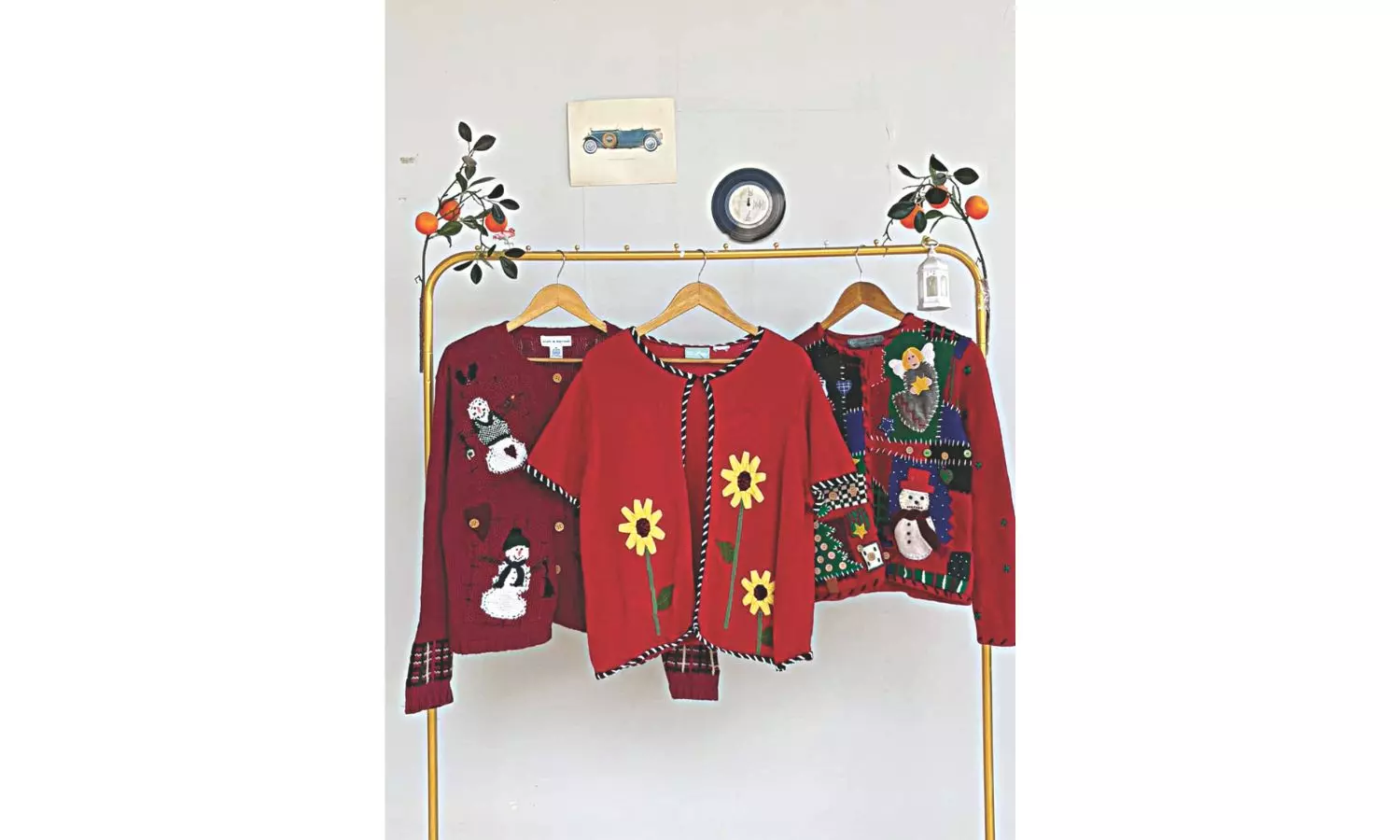
Fashion eras repeat themselves in a cyclical manner. But Gen Z is reviving fashion decades, the way most people change playlists. One week their feeds are full of coquette bows and frosted gloss, the next week it is 70s psychedelic prints. Time is less a straight line and more a mood board, and Gen Z picks an era the way they pick a filter.
Thrifting culture, social media hyper-speed, and a collective desire to look unique have created a generation that treats the past like an open-source archive. The revivals are constant, but never carbon copies.
Curating her store around heirloom-style pieces, Sneha Sharma, a thrift store owner of Furbish Studios (@furbishstudios) says, “I started putting out aesthetic-based collections, hand-knitted pieces, heirloom collectibles because vintage just has a soul. You don’t need to force anything onto it.”
A Runway of Eras
The coquette wave brought lace trims, satin ribbons, and ballet silhouettes back into rotation, although most young shoppers twist the softness with edgier layers. The return of the Puma Speedcat Ballets has taken the internet by storm, merging coquette design with ergonomic wearability. Isha Saxena, a thrift store owner (@ish.museum), who also specialises in handmade products says, “Handmade lets me take nostalgia and reshape it. I reference old eras, but I always bring it back with a modern twist.”
The goth resurgence counters the frills with mesh, dark layers and metal hardware. Steampunk-goth designer Vivienne Westwood recently collaborated with the 2000s anime Nana, drawing directly from the show’s iconic designs. The collaboration turned many heads and, despite public criticism, the collection sold out instantly.
Y2K itself refuses to leave. Shiny mini bags, butterfly clips, and low-rise jeans remain staples. As Dhrisni (@dhrisni), a model and content creator, says, “Y2K still dominates because it’s playful, bold and nostalgic in a way that feels new to our generation.” The 2000s glam revival is equally popular. Freelance Model and media student Esha Mukherjee says, “The 2000s had individuality. When I wear denim on denim, I think about what it meant back then, including what it signified for queer identity.”
Meanwhile, the Office Siren aesthetic blends oversized blazers and structured tailoring. However, influencer Srash (@Srashtagram) has a different take. “Oversized blazers make me feel euphoric about my gender identity. It feels like power dressing, androgynous and street style all at once.” One of the most unexpected comebacks is 90s Bollywood glam. Tanvy, who runs a thrift store (@www.windfall) says, “There is a huge spike for 90s Bollywood lehengas. Home-grown brands can’t match the beadwork.”
Sustainability Style Statement
Thrifting is as much about individuality as it is about the environment. Dhrisni says, “People want to save money and care about sustainability. Thrifting is cheaper, more sustainable and more unique.” Tanvy insists on never bringing leather, faux leather or fur into her store. Sustainability is non-negotiable. Isha mixes thrifted pieces with handmade creations, “Handmade and repurposed designs allow me to add my taste directly into the clothing. It’s like giving a thrifted item a new personality,” she says. Sustainability has become cool because it aligns with Gen Z’s desire to stand out.
Trend-Hopping Psychology
Many Gen Z shoppers feel nostalgic for eras they never lived through. For some, it is curiosity and longing for a bygone era. “It is the urge to experience a past we never lived. The past feels better, safer and more authentic,” Dhrisni says.
Instagram Reels, TikTok sounds and viral mood boards make aesthetics appear and disappear within weeks. Sneha believes that people who care about sustainability and vintage aren’t interested in what’s trending. “Trends only create more waste, and that’s the bigger problem,” she says.
Algorithm As Stylist
Social media acts as the new fashion gatekeeper. One Netflix character goes viral, and suddenly a whole vibe returns. Last year, butter yellow blew up because of Bridgerton. It became the colour of the season. “Y2K, basics, coquette, indie. Gen Z shop by aesthetic, not product,” Isha says. Influencer Srashtagram says that they prefer what they call medium trends, “I pick trends I feel a personal connection to.”
Individuality Matters
If millennials chased relatability, Gen Z chases unrepeatability. A thrifted Bollywood lehenga or a hand-stitched Y2K top signals personality, intention and taste. Esha says her fashion choices are rooted in meaning. “I decide based on the feeling. The trend gives me an idea of how it was used in the past. Fashion is about what statement I am making.” Srash uses oversized clothes to express their gender fluidity. “Oversized will never die.” For Windfall’s Tanvy, individuality is the soul of her store. She curates drops like characters. “Sometimes I do themes like Cinderella or Dungeons and Dragons or Carmilla the vampire. I want people to dress like they’re playing a character,” she says.
The Next Comeback
Predictions vary, but everyone agrees that more revivals are coming. “Maximalism, indie and boho are on the way back,” says Dhrisni. Indian jewellery and colourful hippie styles too. Isha says that early 2010s trends like metallics, graphic tees and scene silhouettes are creeping back. Esha hopes for tailored 70s suits, which are considered gender-neutral and ahead of their time. Today’s fashion is seeing the ebb and flow of every era, because Gen Z is not repeating the past. They are making it their own. Fashion is no longer a timeline. It is a kaleidoscope. And Gen Z is the generation turning the wheel.
