Medical experts attribute premature skin ageing to several factors and share ways to minimize skin damage
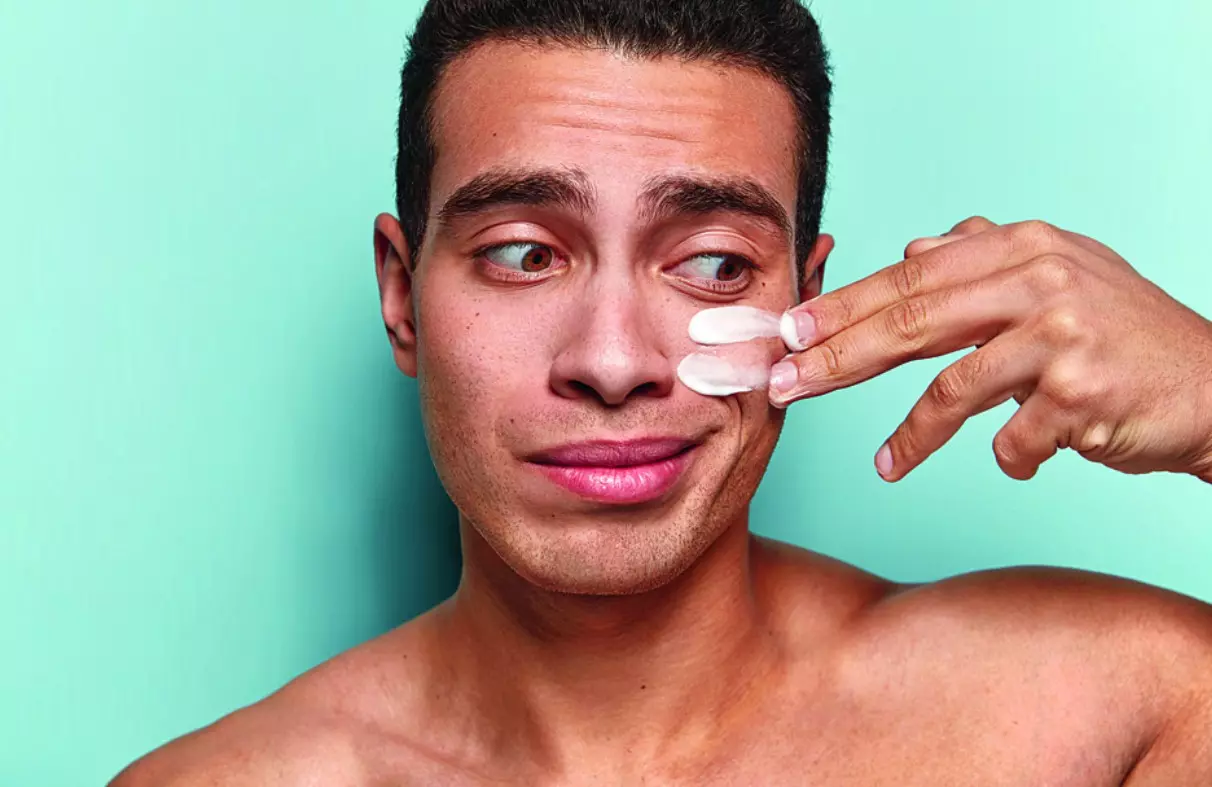
With more millennials facing premature skin ageing and collagen crisis, 30 seems the new 50. On one hand they are constantly striving to sport flawless skin, on the other hand their lifestyle, diet, environment, excessive relying on cosmetic products and procedures are adversely affecting skin health.
Unlike a few decades ago, when signs of skin ageing used to be visible mainly post menopause in the 40s or 50s, now even those in their 30s are experiencing skin ageing, with depletion in collagen production and visible signs like texture abnormalities, fine lines, dyspigmentation, blotches and wrinkles. Collagen is the component, which gives the skin a plump look apart from hormones like estrogen and progesterone that give elasticity and firmness to the skin and stimulate collagen and elastin production.
The factors that make the skin look aged and unattractive are mostly controllable with lifestyle modification and taking proper precautions against the external factors. However, there are
certain uncontrollable, intrinsic factors like genetics and hormonal changes with menopause and pregnancy. Dr Anuj Pall, director of La Skinnovita Dermatology Centre elaborates the factors related to environment and lifestyle.
Lifestyle & external Factors
Prolonged sun exposure and inapt use of sunscreens: It is a proven fact that sun exposure damages the skin and initiates rapid aging. People also do
not apply sunscreens optimally and do not reapply once its effect weans out. The sun’s ultraviolet (UV) rays cause collagen degradation.
Climate change and pollution: Not only the air is getting more polluted with toxic chemicals, but also with global warming and climate becoming hotter, exposure to more UV rays is taking place, which is linked to DNA damage in the skin cells, enhancing the risk of premature aging and even skin cancer.
Faulty Diet: Millennials and Gen Z have been thriving on calorie-dense, fatty junk food, with delivery apps making access to such unhealthy foods even easier. Simple home-cooked nutritious food is being increasingly replaced by outsourced food, which also causes deficiency of essential vitamins and minerals including B12, iron, D3 and so on.
Sleep deprivation from blue light: Exposure to excessive screen time, eats into sleep time. Quality sleep for seven to eight hours is usually missing and instead the face is exposed to blue light emanating from mobile and laptop screens daily for several hours even at night. It affects skin health adversely.
Dehydration: Drinking less water but more aerated drinks and caffeine often makes one dehydrated, which people may not often realise inside air-conditioned spaces. Dehydration can also make the skin look dull, dry and wrinkled.
Hot water bath: Over a period of time, bathing in very hot water can cause skin barrier dysfunction, irritation, itching from excessive dryness and make the skin look aged. It is advisable to bathe either in normal water or in lukewarm water if the weather is colder.
Stress: Almost everyone suffers from anxiety and stress, especially due to their demanding jobs, complex relationship issues and financial situations, which takes a toll on one’s overall health including the skin.
Smoking and alcohol: Smoking and alcohol consumption are part of modern lifestyle, which intensify skin ageing.
Intrinsic Factors
Late Pregnancies: Another cause of premature skin ageing is late pregnancy. Dr P Radha Rani, dermatologist and trichologist at Radha International Institute, says, “Pregnancy causes some changes in the skin post-delivery as wrinkles and stretch marks start appearing. However, in younger age pregnancies, the body including the skin would gradually self-repair and collagen would be produced but now, many pregnancies are in mid and late 30s, and once the elasticity is lost, usually the signs of aging remain and become more visible.”
Genetics and hormones: Stress, obesity and PCOS cause hormonal changes in the body. Hormonal fluctuations can cause rapid aging. Also, if an overweight or obese person tries to lose weight suddenly by crash dieting, skin sagging happens, giving it an aged look.
Chemical cosmetics and procedures: “Obsession with beauty and flawless skin has seen people in their 20s and 30s going overboard with cosmetic procedures and frequently applying chemical-containing make-up products. Even the so-called herbal ones are not convincing as there are no proper checks into their preparation. So excessive dependence on cosmetic products and procedures inevitably causes skin damage,” adds Dr Radha.
Sunscreen Usage
People also need to understand the correct usage of sunscreens. Always use a broad-spectrum or multi-utility sunscreen that blocks UV and IR (infra-red) and can guard against pollution. Dr Pall explains that sunscreens should be of suitable SPF (above 30) and not diluted with moisturizers. Also, it should be applied at least 15-20 minutes before stepping out into the sun and should be reapplied every four to five hours if one remains outdoors or every two hours
on a seabeach. “Sunscreens should not be spread on the palm before application as it leads to wastage. Instead apply it as dots on the face and spread evenly and gently,” says Dr Pall. For additional precautions, use protective clothing like full-sleeve dresses, hats and sunglasses and carry umbrellas where possible.
Skinsaver Secrets
Here are some skincare and lifestyle changes to prevent early skin aging
• Eat a nutritious diet, antioxidant and vitamin C-rich foods, fresh fruits, nuts and vegetables.
• Steer clear of sugar and processed food, smoking and excess alcohol.
• Drink two-three litres of water daily to keep the skin hydrated.
• Regular exercise including yoga, cardio and strength-training keeps one healthy, youthful and reduces stress.
• Avoid prolonged exposure to the sun, pollution and very hot water baths.
• Sleep at least 7-8 hours and avoid prolonged exposure to the blue lights from TV, computer and phone screens.
• Keep the skin clean, hydrated and opt for a daily skincare routine using cleansers, moisturizers, Vitamin C serum, creams containing retinol and hyaluronic acid.
• Use a broad-spectrum or multi-utility sunscreen that blocks UV and IR (infra-red) and can guard against pollution. Sunscreens should be of suitable SPF (above 30).