Women Gaily Redefine Idea Of ‘Desirable Men’

Women audiences are the driving force behind the global success of queer series, new movies and gay male heartthrobs in 2026
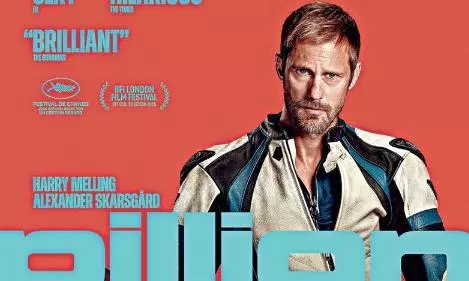
In 2026, the idea of the “perfect man” on screen is undergoing a quiet but powerful transformation. For decades, cinema celebrated a certain kind of masculinity — dominant, emotionally distant, and firmly rooted in heterosexual norms. Today, in its place, a more nuanced, emotionally rich, and often queer representation of men is taking centre stage. “The whole idea of the ‘perfect guy’ is outdated. We’re more into people who feel emotionally available, even if they’re messy,” says Shania Lobo, a Gen Z.
Driving this shift are women — not just as creators, but as audiences whose preferences are reshaping the entertainment economy. From voting Jonathan Bailey as the “Sexiest Man Alive” to championing shows like Fleabag and newer queer-led stories such as Heated Rivalry and Pillion, women viewers are sending a clear message: they want depth over dominance, vulnerability over bravado, and authenticity over archetypes.
A New Kind Of Desire
The shift isn’t just aesthetic — it’s emotional. Women audiences are increasingly drawn to male characters who feel real. Men who are allowed to be soft, confused, expressive, even fragile. They cry. They communicate. They fail. And most importantly, they connect. Queer narratives naturally lend themselves to this kind of storytelling. Their stories explore identity, intimacy, rejection, and belonging — themes that resonate deeply with audiences seeking more meaningful connections on screen.
Psychology of Representation
At the heart of this shift lies a deeper psychological truth: representation matters. For LGBTQ+ individuals, seeing authentic queer characters on screen can be profoundly validating. According to psychotherapist Dhara Ghuntla, such representation helps build self-acceptance, confidence, and a sense of belonging. For young viewers, it can reduce feelings of isolation and internalised stigma. “When people see themselves reflected in stories,” she explains, “it helps them feel less alone. It tells them their experiences are valid.”
In the past, queer characters were often relegated to stereotypes — comic relief, tragic figures, or side characters with little depth. Even today, tokenism remains a concern. Including a queer character without fully developing them can feel performative, reducing identity to a checkbox rather than a lived experience.
Shiva Krish, a filmmaker and director who began as an assistant director on Oru Naal Iravil and later worked as first assistant director on the Amazon Prime Video series Harmony with A. R. Rahman, emphasises the importance of clarity and authenticity in storytelling. His debut documentary, Amma’s Pride, has screened in 85+ locations worldwide, reached audiences via the BBC, and was longlisted for the Oscars. Shiva says, “The target audience and subjec
t matter change from film to film. You have to be clear about what you’re trying to say and who you’re speaking to—that shapes everything, from tone to character design.” This also means paying attention to process and listening closely to the communities being represented.
Women Behind The Camera
Another crucial factor is the growing presence of women behind the camera. As writers, directors, and producers, women are bringing fresh perspectives to storytelling. Their work often prioritises emotional depth, relational complexity, and psychological nuance. Ghuntla notes that women-led storytelling often brings a more empathetic lens to queer experiences. “There’s a focus on vulnerability, on lived experiences, on the emotional journey of the character,” she says. “It makes the narrative feel more human.” This doesn’t suggest that only women can tell these stories effectively; men can, too.
Role of intersectionality
As queer narratives become more visible, there is also a growing awareness of intersectionality — the idea that identity is shaped by multiple, overlapping factors such as gender, class, culture, and geography. Not all queer experiences are the same. A story set in an urban, liberal environment will differ significantly from one rooted in a conservative or rural context. A character’s socioeconomic background, cultural identity, and family dynamics all influence their journey. “Queer stories connect more because they’re not following the usual Bollywood template.
The whole alpha male thing feels outdated to us now. What’s actually attractive is emotional awareness, not dominance,” says Dev Malhotra (23), a film buff.
For many viewers, especially within queer communities, films and series are more than just entertainment — they are a source of validation. Seeing one’s struggles, relationships, and identity reflected on screen can be deeply affirming. It can reduce feelings of shame, encourage self-acceptance, and even inspire conversations that might otherwise
be difficult to initiate. Ghuntla says, “It creates a sense of connection,” she says. “It helps people process their own experiences.”
Handling Sensitive Themes
With greater visibility comes greater responsibility. Queer narratives often touch on sensitive themes such as coming out, rejection, trauma, and identity conflict. Handling these topics requires care and sensitivity. Sensationalism or exploitation can cause harm. Filmmakers must provide context, avoiding harmful tropes, and, where possible, incorporating elements of hope and resilience.
As Shiva points out, clarity of purpose is essential. “The approach depends on what you want the film to achieve,” he says. “But authenticity should always be at the core.” He adds, “Each person on screen should feel like themselves. Not a version written for convenience, but someone who exists in their own right.”
Shiva feels this is crucial in queer storytelling, where misrepresentation has historically been common. The goal is not to highlight identity as a label, but to allow identity to emerge naturally through behaviour, relationships, and emotional truth. “They want detail. They want honesty. They want to feel like the story belongs somewhere real,” he explains.
Industry In Transition
Production houses are increasingly embracing stories that reflect diverse lived experiences, with women playing a key role in shaping what gets made and how it is marketed. This shift is driving more inclusive, emotionally resonant storytelling and redefining the leading man—more complex, vulnerable, open, and often beyond traditional labels.
In a world that often demands certainty and conformity, these stories offer something different: honesty, diversity, and the freedom to be oneself. For viewers and creators alike, that shift is not just refreshing — it’s necessary.
Not Just For Queer Eyes
• A significant number of women voted gay actor Jonathan Bailey as the “Sexiest Man Alive” in 2026
• A big share of women audiences are behind the global success of queer series Heated Rivalry, Fleabag, and the movie Pillion in 2026
• Women are redefining the idea of ‘internet boyfriend’, ‘desirable men’, and the entertainment economy.
• In most households, women usually make decisions about movie-watching in theatres and TV viewing
