Why Is Bollywood Suddenly Applauding Each Other?

Karan Johar and Alia Bhatt have recently praised films they have no stake in. The film industry has never been known to clap for anyone but itself. So what prompted this change?
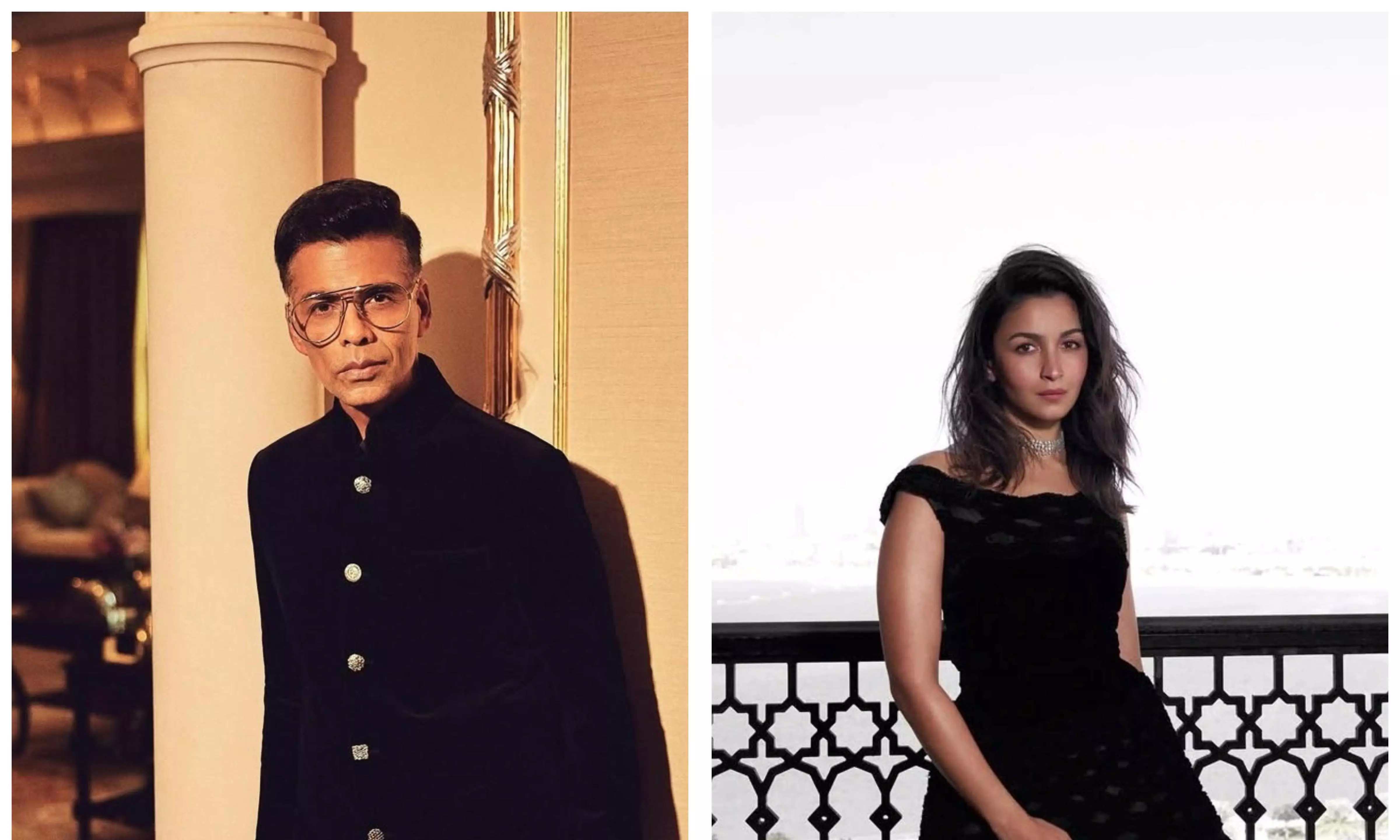
Something unusual is playing out. Filmmaker Karan Johar and actor Alia Bhatt are suddenly praising films and performances beyond their immediate ecosystem. From hailing Dhurandhar as one of the year’s best films to publicly endorsing projects they have no direct stake in, their warmth marks a noticeable departure from Bollywood’s long-standing culture of strategic silence.
For an industry notorious for guarded praise and selective solidarity, the shift raises an obvious question: what changed?
Filmmaker Anurag Kashyap, once firmly entrenched within the industry’s inner circles, has spoken candidly about how exclusionary the ecosystem can be. After the failure of Bombay Velvet, he says he found himself increasingly isolated. “Bollywood exists within the radius of Bandra and South Mumbai, and in the hands of a few,” Kashyap said in an interview. “Once you stop fitting into that system, you’re seen as persona non grata.”
Actors across the spectrum echo this sentiment. Kangana Ranaut has repeatedly spoken about the lack of institutional backing for her films. Manoj Bajpayee has pointed to the insecurity that prevents actors from openly supporting each other’s work, while Naveen Kasturia has highlighted the dismissive hierarchy faced by those without power or lineage.
The mindset behind the silence
Actor Emraan Hashmi once summed up the industry’s attitude bluntly, calling it a “crap mentality”. “People like to run down films,” he said, adding that very few are genuinely happy for another’s success — even though box office wins benefit the entire industry. This mindset was evident in the lead-up to Dhurandhar. The film was largely written off before its release, greeted by scepticism and conspicuous silence. Actor Yami Gautam openly criticised what she described as an “extortion-like” culture of targeted negativity. At the time, her remarks were met largely with indifference.
Actor R Madhavan has also described Bollywood as a “lonely family”, pointing to jealousy as a deeply entrenched reality.
When success forced a response
As Dhurandhar went on to establish a new template for box office success, prompting producers and actors to quietly rework their own films and release strategies, one could not help but notice a perceptible shift within the industry. A sudden outpouring of admiration followed, standing in stark contrast to the scepticism and silence that preceded the film’s release.
Filmmaker Karan Johar, whose own recent film failed to make an impact at the box office, had earlier spoken about the industry’s tendency to revel in another’s failure. Soon after Dhurandhar’s success became undeniable, he went out of his way to hail it as one of the best films of the year.
Alia Bhatt followed, calling the film the voice of today’s India. She also praised Yami Gautam’s performance in Haq — the actor is married to Dhurandhar director Aditya Dhar — hailing her “pure craft” and calling herself a Yami fan.
Film expert Girish Wankhede sums it up succinctly: nothing succeeds like success. “What’s striking is how quickly the industry’s tone shifted once the film proved its mettle. Circles that traditionally reserve praise for in-house or affiliated projects, the so-called lobbies and camps that dominate Bollywood chatter, began lauding Dhurandhar. Prominent actors and directors, who rarely comment on their peers’ work publicly, joined the chorus of appreciation. Names from varied corners of the industry praised the film for its narrative ambition, technical finesse and emotional clarity”.
The goodwill did not stop there. The bonhomie soon extended to projects beyond immediate association, including enthusiastic praise for the trailer of Yash’s Toxic. As Alia Bhatt called it “dynamite”, Karan Johar described it as “rocking”. For many observers, the shift raised a larger question: in an industry where insiders admit that few are genuinely happy for another’s success, what explains this sudden outpouring of affection?
Nothing works like success
The shift has also been noticed by fans and netizens, many of whom have pointed out that the industry’s public show of affection appears to coincide with anxiety around future projects and changing audience dynamics. The timing of this newfound warmth, sources say, is no coincidence. With several high-stakes films lined up for 2026, anxiety within the ecosystem is palpable.
“Everyone is watching everyone else very closely right now,” says an industry insider. “Big stars have seen their films fail, tentpole franchises have been reworked, and there is intense scrutiny on what works and what doesn’t. No one can afford to be isolated anymore. The unity you’re seeing is about staying aligned and protected, not because rivalries have disappeared.”
