Indian households feel the impact of the US-Israel-Iran war — LPG cylinder shortage, fuel price hike, soaring food and vegetable prices, and a pall of gloom and doom
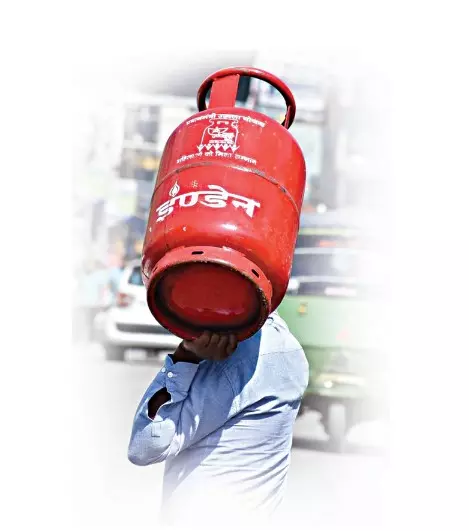
No matter who wins the war, it is the common people who suffer and die. The US-Israel-Iran war started on February 28, but millions of ordinary Indians today are bearing the brunt of the Iran war—shortage of LPG cylinders, serpentine queues at fuel stations, hotels shutting down or trimming their menus and prices of vegetables and essential items skyrocketing.
A cup of masala chai that cost Rs 10-Rs 15 a few weeks ago is now for Rs 20-Rs 30. In several cities, eateries that sold vegetarian rice plates for Rs 80–Rs 100 earlier are now charging Rs 120-Rs 150. For small-time vendors and daily-wage labourers, the situation is really grim.
Items Go Off The Menu
Fried samosa, wadas, dosas, parathas, pakodas, rajma, and puri-bhaji are off the menu in many restaurants. The famous Hyderabadi biryani and haleem have managed to escape the ‘fuel fire’ because it is traditionally slow-cooked on firewood. But the quintessential brista (deep-fried onions) sprinkled on top has become a rarity. Several makeshift Ramzan eatery stalls in Hyderabad, Delhi, Mumbai and Hyderabad had to shut shop early this year due to the LPG cylinder crisis. “When gas becomes expensive, everything else (oil, vegetables, transport) becomes costly,” says Sadiq Khan, a food vendor, adding, “Customers don’t understand. They just say food has become costly.”
Most restaurants in Hyderabad have curtailed their menus. There are approximately 7,000 restaurants and hotels in Hyderabad. Experts estimate the loss to the tune of nearly Rs 90 crore daily.
The government has invoked the Essential Commodities Act to prevent black marketing and secure and regulate the supply of natural gas and LPG amidst supply chain disruptions. But the ground reality is different. Industry sources say commercial gas cylinders (19 kg) that normally cost around Rs 1,800–Rs 2,000 are now being sold in the black market for Rs 3,000 to Rs 6,000. “At first we thought it was just a delay,” says a hotel manager on condition of anonymity. “But our supplier told us demand has surged everywhere.”
Oil Is Not Well
Nobody has escaped the wrath of the ‘War That Nobody Wants.’ Even those in the powerful legal corridors of the Delhi High Court have not been spared. From March 11, the Delhi HC lawyers’ canteen stopped serving full hot meals due to LPG cylinder shortage. The canteen has been serving only light snacks (sandwiches, salads, and fruit chaat).
On March 16, Mumbai’s iconic Gujarati thali joint, Shree Thaker Bhojanalay, which has been dishing out delectable food since 1945, announced a temporary closure on Instagram, saying: “Due to a shortage of LPG gas, our kitchen operations have been affected. Therefore, Shree Thaker Bhojanalay will remain closed on Monday, 16th March 2026 (full day).” Thaker has been a favourite of the Ambanis, Sachin Tendulkar, Vidya Balan, Dia Mirza, chef Nigella Lawson, Alain Passard, and several other Bollywood and Hollywood celebrities.
In Kerala, LPG shortage has forced nearly 40% restaurants to shut down.
G Jayapal, president of the Kerala Hotel and Restaurant Association (KHRA), told PTI that although the central and state governments have suggested alternative cooking methods, using firewood in hotels in urban areas is not feasible. “As part of food safety standards, most restaurants in urban areas have adopted modern kitchen systems. They do not have arrangements for cooking with firewood or alternative fuels. Restaurants in urban areas are the worst hit by the crisis.”
Wider Ramifications
The impact of the US-Israel-Iran war has spread across various sectors in India, right from food and hospitality to infrastructure, textiles, mining, and travel. The Indian Railway Catering and Tourism Corporation (IRCTC) has directed caterers to switch to microwave ovens and induction cooking temporarily.
Economists say the reaction is both economic and psychological. “When people hear the word ‘war’ associated with oil-producing regions, markets respond instantly and so do consumers,” says Sakshi Pawar, an energy analyst. “Even the possibility of a disrupted supply creates pressure.” That pressure quickly translates into longer queues and anxious glances at fuel price boards.
Voices From The Ground
Mehrunissa Shaikh, a mother of two from Indiranagar, Bengaluru, has been cooking on a makeshift stove (bucket chullah) for three days. “I went to the gas distributor for three consecutive days, but there are no cylinders.” In Delhi, homemaker Anjali Sen has begun buying extra groceries. “After what happened during the pandemic, I don’t want to be unprepared,” she says.
Across several Indian cities, fuel stations are witnessing long queues as motorists rush to refuel amid fears of a fuel price hike. “I came early, thinking I’d avoid the rush, but in vain,” says Rakesh Patil, a delivery agent, who waited for 40 minutes to refill his motorcycle.
Panic Buying Returns
Signs of anxiety are also appearing inside supermarkets. In big cities, shoppers have begun stocking up on essential goods from canned food and bread to toilet rolls. Retail analysts say the phenomenon is driven less by actual shortages and more by psychological reassurance. “When people perceive instability in the world, they try to regain control in small ways,” explains behavioural psychologist Dr. Sonia K. “Stockpiling food or essentials gives them a sense of preparedness.”
The Domino Effect of Oil
The reason a war thousands of miles away can reshape everyday life lies largely in oil. The Middle East remains central to the global energy market. When conflict threatens production facilities or shipping routes, traders anticipate shortages. Oil prices rise.
Transport costs follow. Inflation spreads through the system. “Energy is the bloodstream of the global economy,” says historian Arvind Narayan, who studies the political history of oil. “Transportation, manufacturing, agriculture, almost every sector depends on it.” As fuel prices climb, airlines raise ticket costs, food distribution becomes more expensive, public transport fares increase, and electricity production becomes costlier. War, in effect, becomes an invisible tax on daily life.
The Psychological Toll
Beyond economic consequences, conflict also leaves a quieter psychological mark. News broadcasts filled with images of missiles, military briefings and diplomatic tensions can amplify uncertainty. Social media spreads rumours and speculation. “People may not be directly involved in the conflict, but they still experience stress through media exposure and economic uncertainty,” says Dr. Sonia. Parents worry about rising expenses. Workers fear instability. Students stress about their future.
Lessons From History
History repeatedly shows that modern conflicts rarely remain localised. During the Gulf War in the early 1990s, global oil prices surged almost overnight. “Every conflict involving oil-producing regions becomes a global story,” says Narayan.
For policymakers and strategists, wars are measured in territory, alliances and ceasefires. For ordinary people, they are measured in rising bills, empty shelves and uncertainty. No matter where a war begins, it spares no one!
Impact Of War
• Severe shortage of LPG cooking gas cylinders across India
• Fruit exports (apples, mangoes, tea, and rice) to the Gulf are blocked due to shipping disruptions
• Hike in premium petrol and diesel prices as international crude oil prices surge by 40%
• Farmers in a fix as flow of fertilisers disrupted during peak sowing season
• Acute shortage of auto components and electronic chips due to the war

