Women are opting for the drop-waist dress because it’s sporty, minimal, romantic or dramatic depending on the styling
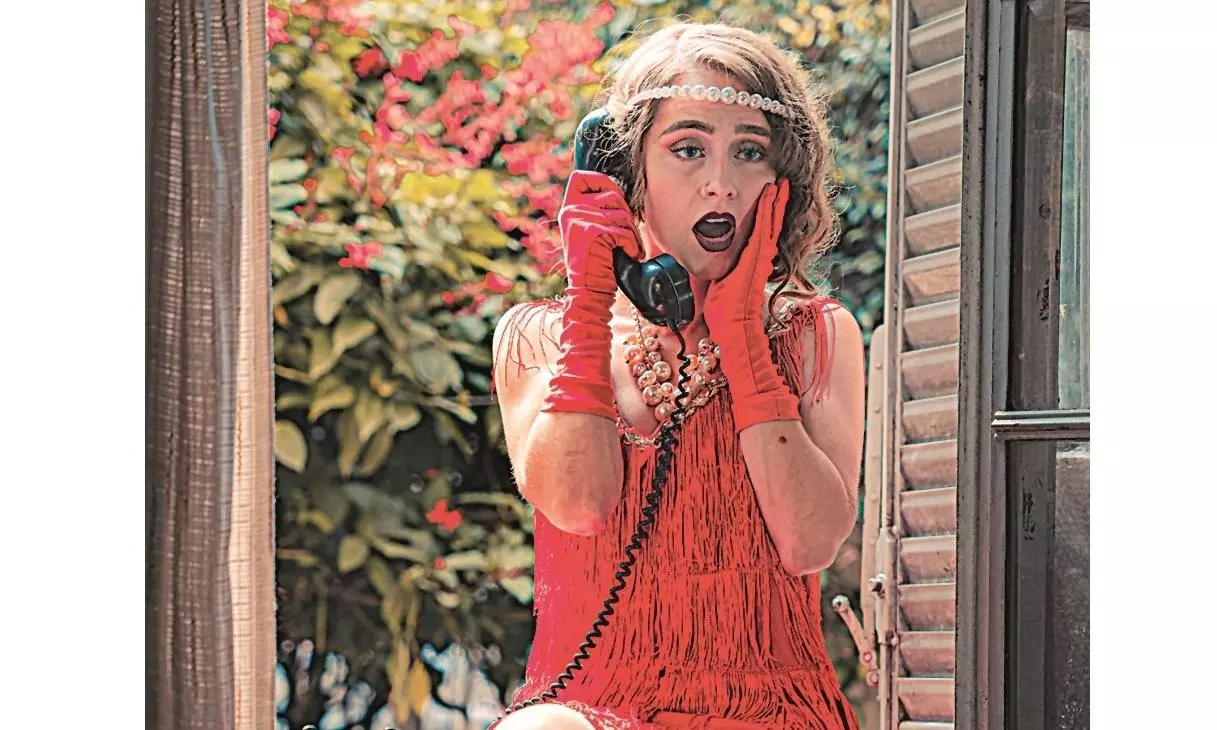
For corporate slaves, the weekend becomes a hassle. With parties to attend, birthdays to dress up for and most importantly a cafe date with friends. Between the busy schedule and messed up google calendar, what sits awaited at home is… “Yaar, what do I wear?”
That's where the drop waist dress comes into play; it's light, playful and makes a great date night outfit– with just the hint of sexy! For years, the waist has been one of fashion’s favourite points of focus. The drop-waist dress, inspired by the flapper era of the 1920s, is making a comeback. From Aditi Rao Hydari donning a pearly white drop-waist look at the Cannes 2026 to Hollywood stars like Dakota Johnson and Demi Moore embracing the relaxed yet glamorous silhouette, the style is finding its way back into the spotlight. With fluid fabrics, exaggerated skirts, elongated bodices and a waistline that sits closer to the hips, the silhouette is being reimagined to fit the modern wardrobe.
Ditching Victorian
were hence known as “flappers” and when paired with Mary Jane heels, created some of the most chic and iconic looks of the 1920s – the decade of Jazz and fun!
Nearly a century later, there is a shift that can be seen in the way young shoppers are dressing. As figure-skimming bodycon styles force you to suck in your waist– it leads women to shop for more relaxed fits. “Fashion is moving towards silhouettes that feel effortless and a little unexpected,” says Sheefa Gilani, a stylist. “After seasons dominated by fitted, body-conscious dressing, the drop waist offers a refreshing alternative. It also taps into the broader revival of vintage influences while still feeling modern and relevant,” she adds.
Style Reimagined
Today’s interpretation of the drop waist takes the vintage style a step further. “The biggest difference between the original silhouette and today's version lies in how it is styled. Rather than fringe and beads, the modern skirts of such dresses are more experimental” says Ananya Mehra, a fashion student from Mumbai “It’s either the pop of bright orange, or the many scuffled pleats that form an unusual rose, or a huge flowy skirt attached to a sleek & simple bodice, that make the modern drop waist dresses more interesting,” she adds.
Designers are playing with the placement of the waistline, combining it with mini to full lengths flowing skirts, structured tailoring and unexpected fabrics.
A drop-waist dress can now be sporty, minimal, romantic or dramatic depending on the construction and styling. “I like to style drop-waist dresses with sleek footwear and minimal accessories, letting the silhouette be the focal point,” says Gilani when asked for styling tips.
For Mehra, however, the waistline is not the only thing that can be experimented with, when it comes to a drop-waist dress. “I like to make it more dramatic with some boots, jewellery or even a structured bag. It doesn’t have to look like a 1920s-inspired outfit,” she says.
Fit For All
Instead of drawing attention to the narrowest part of the torso, the silhouette allows the body to appear longer and creates a more relaxed transition into the skirt. It naturally complements taller frames. It can work beautifully across body types when the fit and proportions are right. For fuller figures, fluid fabrics and thoughtful tailoring can make the silhouette feel incredibly elegant and flattering.
In that context, the drop waist does not seem like an isolated revival. It is part of a larger willingness to rethink where clothing should sit on the body and what a familiar garment can look like when its proportions are altered. “There is also an element of ease to it. With the waist no longer acting as the primary point of definition, the dress can feel less rigid. The silhouette moves with the body rather than necessarily attempting to shape it” says Mehra.
Fashion & Nostalgia
Whether the drop waist becomes a lasting wardrobe staple or remains a seasonal trend, is difficult to predict. Its history may begin with the flapper era, but its current appeal lies elsewhere — in proportion, movement and the possibility of dressing differently from the familiar fitted silhouette.
Perhaps that is what makes the comeback interesting. The drop waist is not simply asking fashion to look backwards. It is offering another way to look at the body, the dress and the relationship between the two.