Experts explore the urban winners and losers among bird species, examining how urbanisation has affected bird populations in our cities and what it means for their survival
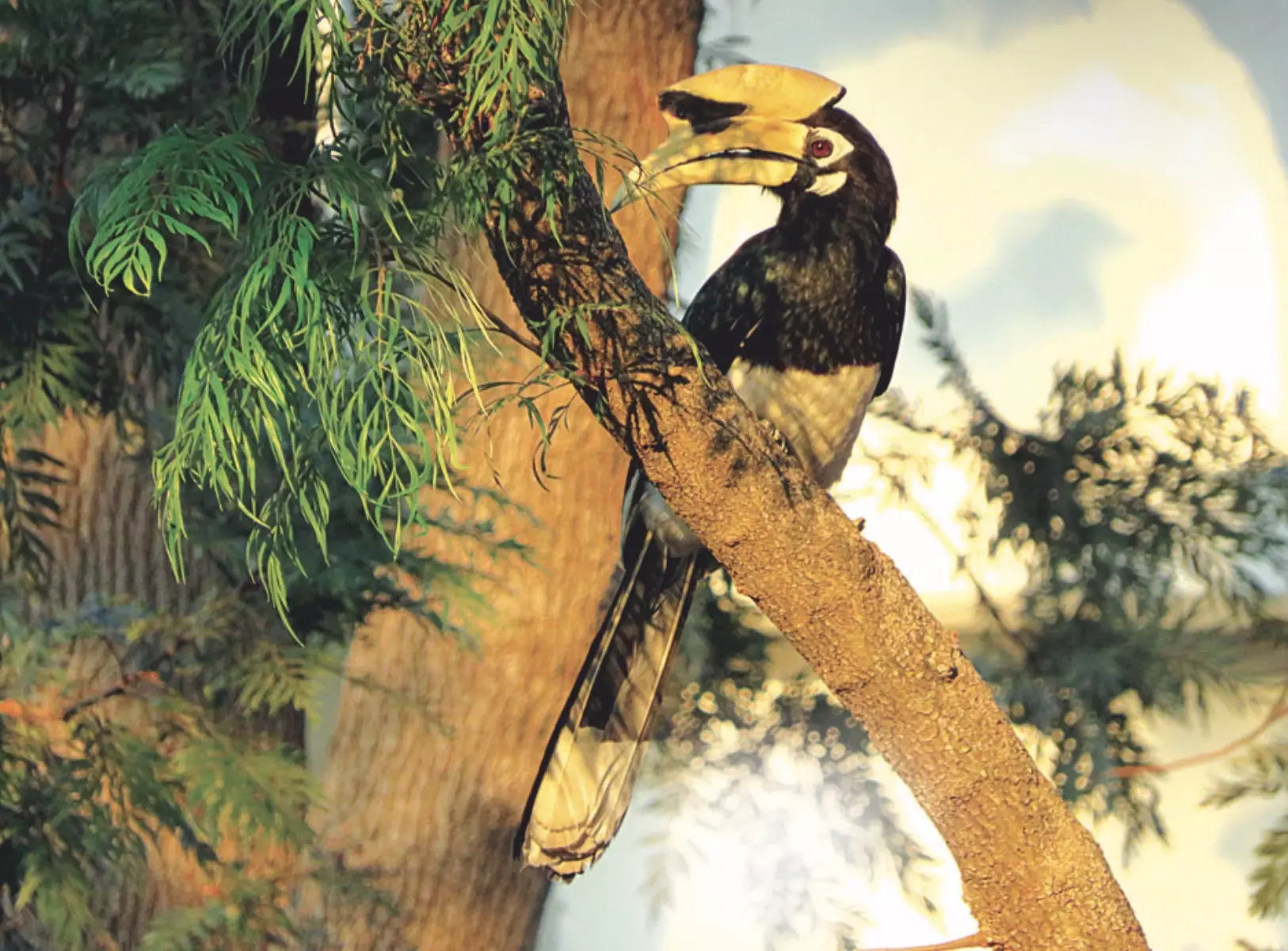
As cities turn into concrete jungles, shrinking pockets of green spaces, urbanisation is quietly reshuffling how our avian companions thrive and survive as urban dwellers. From modifying mating calls to changing nesting habits, some of these “urban winners” have put up a tough fight to prove their mettle. But the changing landscape and lesser old tree cavities and habitats have disrupted the food chain for some birds. The so-called “urban losers” have become a vital symbol of conservation, urging us to develop sustainably.
The Rose-ringed Parakeet, for instance, is thriving in Hyderabad, with the city’s Bird Atlas Survey recording 1,707 individuals across 150 locations. But Telangana’s state bird, the Palapitta (Indian Roller) revered as an auspicious sighting on Dussehra, now sits on the IUCN’s Red List (2025) as Near Threatened. It has witnessed an estimated 41.52% long-term decline nationally, driven by habitat loss, pesticide use, shrinking grasslands and illegal trapping.
The ones who won
“The biggest urban winners in Indian cities have been birds that are highly adaptable, owing to their wide diets and ability to use varied substrates to build nests,” says Monica Kaushik, an ecologist and assistant professor at Azim Premji University, Bangalore.
Among these come the Rock Pigeons, House crows, Common Mynas, Rose-ringed Parakeets, Red-vented Bulbuls etc. In cities like Delhi and Mumbai, the Black Kites are common inhabitants too. “Urban areas are often hotspots of exotic flowering and fruiting plants in public spaces, making it possible for species such as bulbuls and sunbirds to thrive as well,” adds Kaushik.
Interesting Intelligence
Just like city dwellers, birds also try to adapt, strive and make place for themselves in the city. “Common Myna, due to their non-fussy eating habits and aggressive behaviour in fighting for nesting cavities, are also winning the race to become urban birds,” says Kaushik.
Apart from survival, these birds also possess intelligent skills. “The best Indian example is the Black Kite in Delhi,”
says Saurabh Sawant, a naturalist and conservationist from Mumbai.
A research published in PLoS ONE (2018) found that kites live largely on human waste and meat offered in ritual feeding. Their nest defence against humans was stronger near ritual-feeding areas and street waste. “In effect, our customs have become part of the kite’s niche,” he adds.
Acoustic adjustments are yet another intelligent skill adapted by certain birds to communicate efficiently.
“In Delhi, Dehradun, and Bengaluru, I found birds shifting their vocal schedules to sing earlier in the morning than their rural counterparts, avoiding acoustic masking from traffic noise,” she states.
As per experts, it is the pre-existing traits, complemented by behavioural flexibility that contribute to such avian intelligence. “Species like Rock Pigeons or Asian Koel use their cliff dwelling ancestry unknowingly, to make nests in AC ledges and duct crevices of buildings,” says Prathamesh Desai, a nature educator from Jungle Buddies Tours.
Another classic example of behavioural flexibility is shown by House Crows who systematically wait for the evening rush hours to exploit discarded food on tracks. “They learn train headway patterns and time their foraging runs, to grab their piece of snack, between approaching locals,” he adds.
The ones who struggle
“The birds who are losing the race against rapid urbanisation are ecological specialists—birds that are quite particular about their diet and depend on a few selected resources,” Kaushik.
Another category of birds that is vulnerable to city-driven changes are species that forage and nest on or close to the ground. “Grassland and scrub birds like the Larks, Pipits, Quails etc disappear first as wastelands and peri-urban scrubs (scrublands on the outskirts of the cities) are concretised,” says Desai.
As unpaved scrub, natural soil and leaf-litter beds are paved over, these ground-dwellers lose both their food sources and safe nesting spots. With rapid deforestation of big old trees, the cavity and canopy nesters are under a threat too. “This drastic loss reduces the vital space needed by birds that rely on tall canopies for roosting, such as eagles and owls, as well as species that depend on natural tree cavities for nesting, like woodpeckers, hornbills and the Rose-ringed parakeets”, says Kaushik.
A bird’s habitat is also shaped by invisible forces like noise and light pollution that may act as an invisible filter that drives birds away. “Birds rely on calls and songs to communicate about habitat, declare
territories, attract mates and stay connected while foraging,” says Kaushik.
Thus, noisier urban environments may actually disturb a bird’s communication routine—especially those that communicate at lower frequencies.
A beacon of conservation
While development brings a sense of progress, doing so at the cost of coexistence means losing ancient forests and waterbodies. “If I could change one thing, I’d protect mature trees as civic infrastructure,” says Sawant, who believes swapping, for instance, a 70-year-old fig for 10 nursery saplings is an ecological loss. “A sapling can’t offer cavities, deep roots, insects or roosting canopy for decades. Cities should map, count and legally protect their old trees before anything else,” he adds.
Mindful urbanisation should also recognise and protect “scrublands and seasonal wetlands” as legitimate urban ecosystems. “Indian town planning turns these patches into “vacant wasteland” ripe for dumping and construction. Mandating unbroken native vegetative corridors would safeguard the critical species currently being pushed beyond our city borders,” he adds.
As we categorise birds as urban winners and losers, perhaps we ought to ask who is truly winning. If our actions drive them to decline, we are the real losers. But if we learn to coexist with the species that share our cities, perhaps that is what winning truly means.
A Clarion Call
Urban stressors affecting birds and their habitats
Telangana: The state bird Palapitta (Indian Roller) revered as an auspicious sighting on Dussehra is on the IUCN’s Red List (2025) as Near Threatened.
Bengaluru: As per a 2025 study, 19 bird species were lower in abundance in the city's hottest areas. Rescue groups report treating many weak, dehydrated birds during heatwaves.
Kerala: A 2021 survey in Kannur district found House Sparrow numbers 27% lower than in an earlier survey (2015), though results varied by site. Causes are still debated.
India: Nationally, 60 species from 33 bird families are affected by collisions and electrocution with power lines and glass. (SoIB 2023)
Ecological trap: Egg survival rate of Rose-ringed Parakeets to be 37% in urban nests against 70% in natural areas. Whether this is an “ecological trap” (a poor habitat birds still choose) is untested due to scarce Indian city data.
If I could change one thing, I’d protect mature trees as civic infrastructure.”
— Saurabh Sawant, Naturalist and Conservationist
“The birds who are losing the race against rapid urbanisation are ecological specialists—birds that are quite particular about their diet and depend on a few selected resources.”
— Monica Kaushik, Ecologist and Asst. Professor, Bengaluru
Species like Rock Pigeons or Asian Koel use their cliff dwelling ancestry unknowingly, to make nests in AC ledges and duct crevices of buildings.”
— Prathamesh Desai, Nature Educator