It’s the return of excess, and India’s homegrown jewellery brands are redefining maximalism
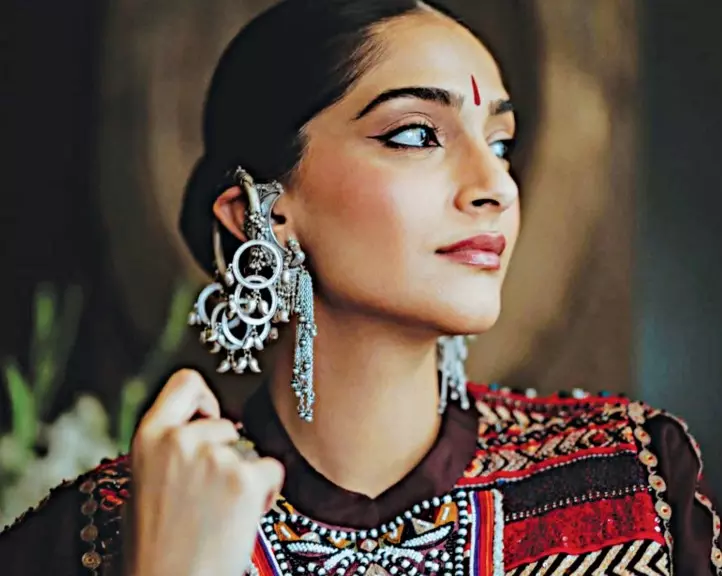
India’s jewellery landscape is shifting again—and this time, it’s louder, bolder, and far more personal. After years dominated by minimal chains, dainty stacks, and “quiet luxury,” a new wave of homegrown brands is bringing maximalism back into focus. But this isn’t a return to excess for the sake of it. It’s a reworking of memory, identity, and craft—told through jewellery that refuses to blend in.
From oversized jhumkas inspired by Kashmiri craftsmanship to vintage watches reimagined as chokers, India’s emerging jewellery labels are leaning into eclecticism. The result is a style language that feels deeply rooted, yet strikingly modern.
Maximalism, But Make It Personal
Maximalism in India has never truly disappeared—it simply went quiet. Traditional jewellery has always embraced scale, detail, and drama. But with the global rise of minimalism, everyday accessories became smaller, subtler, and more restrained. Now, that restraint is fading.
What’s replacing it isn’t just bigger jewellery, but more expressive pieces—layered necklaces with mixed materials, chunky silver cuffs, mismatched earrings, and bold, theatrical jhumkas.
Mumbai-based stylist Megha Arora explains, “We’re seeing a shift from ‘less is more’ to ‘more, but meaningful.’ Clients want jewellery that feels like an extension of their personality, not just something that matches an outfit.”
This new maximalism feels less about perfection and more about personality. It allows for contrast—traditional paired with contemporary, polished mixed with raw. A temple-style necklace with a white shirt. A heavy jhumka with a co-ord set. The rules are looser, and that’s what makes it exciting.
Nostalgia, Reinvented
One of the strongest influences behind this trend is nostalgia—but not in a literal sense. Designers are drawing from heirlooms, flea markets, and regional crafts, then reworking them for today’s wearer. Vintage watches are turned into chokers. Old coins become statement pendants. Traditional motifs are exaggerated and stylised.
Delhi-based designer Ayesha Mehta shares, “People are drawn to pieces that feel like they have a story. Even when it’s newly made, it carries a sense of history—that emotional connection is very important right now.”
This approach makes jewellery feel more than decorative. It becomes personal. For Gen Z consumers especially, this matters. They’re not just buying accessories—they’re investing in meaning, memory, and individuality. In a world of fast fashion, jewellery that feels rooted stands out.
Jewellery As Identity
Jewellery today is no longer just about accessorising—it’s about expression. Across India, there’s a growing shift towards identity-driven fashion. People are using what they wear to reflect who they are, where they come from, and what they connect with. A bold pair of jhumkas can signal cultural pride. A repurposed vintage piece can reflect sustainability. A chunky silver necklace can hint at a boho, free-spirited aesthetic.
Fashion consultant Karan Batra notes, “Consumers today are more self-aware. They want pieces that say something about them. Maximal jewellery allows that—it lets you layer different parts of your identity together.”
This layering mirrors how people dress now. Outfits are no longer built around a single idea. They’re mixed, experimental, and deeply personal. Jewellery is following the same path.
Small Brands, Big Influence
Interestingly, this movement is being driven not by legacy luxury houses, but by small, homegrown brands. Many of these labels began on Instagram, building loyal communities through direct engagement rather than traditional retail. This has given them the freedom to experiment—to create bold, unconventional designs that might not fit into mainstream spaces.
Oversized Kashmiri-inspired jhumkas, tribal silver pieces, handcrafted beaded layers—these designs are finding a strong and growing audience.
There’s also a renewed focus on craftsmanship. Many brands are collaborating with artisans across India, reviving traditional techniques while presenting them in a modern format. This balance between heritage and innovation is what sets them apart.
Styling Without Rules
Along with the jewellery itself, the way it’s styled is also changing. There are fewer rules now. Heavy pieces are worn casually. Necklaces are layered freely. Metals are mixed—silver with gold, oxidised with polished. Symmetry is no longer necessary. The focus is on expression, not perfection.
Social media has played a role in this shift. It has made styling more accessible and experimental. People are less concerned about following rules and more interested in creating their own visual language.
Maximalist jewellery fits seamlessly into this mindset. It invites creativity. It encourages individuality. And most importantly, it stands out.
More Than a Trend
While maximalism often comes and goes, this version feels different. It’s not just a reaction against minimalism—it’s a reclamation of craft, culture, and identity. It’s about making jewellery feel meaningful again. In India, where jewellery has always carried emotional and cultural weight, this shift feels natural. The new generation of brands understands this. They’re not rejecting tradition—they’re reinterpreting it. The result is jewellery that feels alive. Dynamic. Personal.
As this movement grows, one thing is clear: Indian jewellery is no longer just about occasion dressing or investment pieces. It’s becoming part of everyday self-expression—louder, bolder, and more unapologetic than before. Maximalism isn’t just back. It’s been reinvented.
The Max-Effect Guide
• Flaunt a temple-style necklace with a white shirt
• Turn a vintage watch into a striking choker.
• Old coins become statement pendants.
• Mix and match with chunky silver cuffs, mismatched earrings, and bold, theatrical jhumkas.
• There is a big demand for oversized Kashmiri-inspired jhumkas, tribal silver pieces, and handcrafted beaded layers.
Return Of Excess
Celebs like Deepika Padukone, Aditi Rao Hydari, Sonam Kapoor, Janhvi Kapoor, Alia Bhatt and Kriti Sanon have adapted to the ‘maximalism’ trend in an effortless and experimental way.

