Ugh! Look Beyond the Beauty Labels

The panic over some skincare brands using cancer-causing ingredients is making rounds on social media, experts give some skin-credible advice
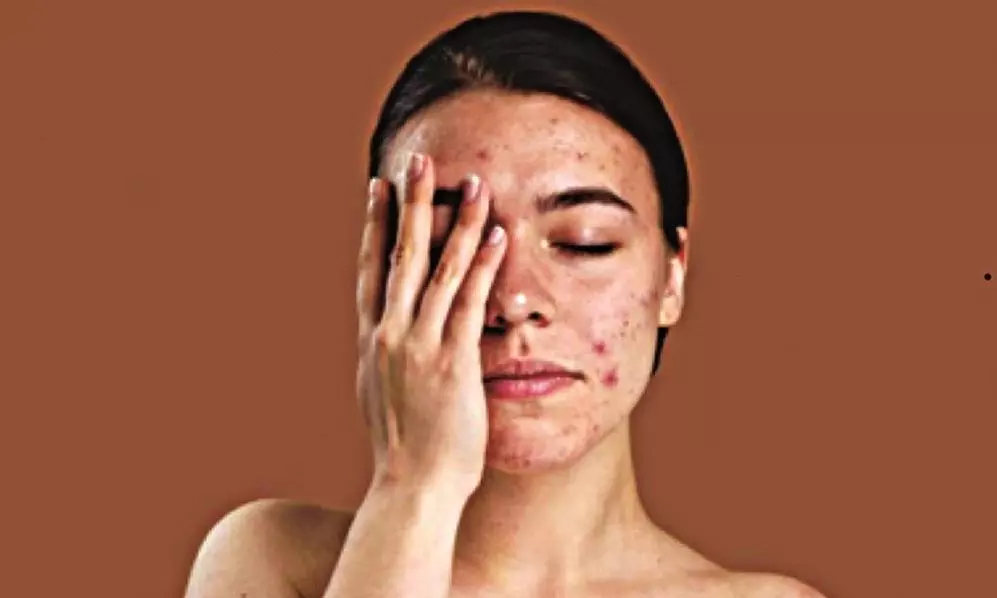
Walk through the cosmetics aisle or browse online beauty stores, and you’ll find products proudly carrying labels such as “vegan,” “cruelty-free,” “natural,” and “clean.” For many shoppers, these words have become shorthand for safer, healthier choices. But once again, social media has spread the panic button with videos of some doctors and influencers who claim that many leading cosmetic brands are using chemicals (benzene, formaldehyde, and ethylene oxide) linked to leukaemia in their skincare products.
Experts argue that consumers should pay closer attention to ingredient lists rather than relying solely on front-of-pack claims. Health experts caution that these labels can create a misleading impression. While they often reflect ethical sourcing, manufacturing practices, or ingredient origins, they do not automatically guarantee that a product is safer or free from ingredients that could trigger health concerns in some users.
Medical experts say it’s important to separate marketing language from scientific evidence. “From an oncology perspective, it is important to distinguish between scientific evidence and marketing claims,” says Dr Vishnu Hari, Associate Director and Head of Medical Oncology, Haematology and Bone Marrow Transplant. “At present, cosmetic product labels often do not provide enough information for consumers to make fully informed decisions. Terms such as ‘clean,’ ‘natural,’ or ‘chemical-free’ are frequently interpreted as indicators of superior health safety, yet these labels are not always based on standardised regulatory definitions.”
He adds that this lack of standardisation can create confusion instead of helping consumers make informed choices. Dr Hari also emphasises that existing scientific evidence does not support the conclusion that approved cosmetic products cause cancer when used as intended. However, he notes that research into the long-term effects of repeated exposure to certain ingredients and combinations of chemicals continues, making ongoing safety assessments and regulatory oversight essential.
Last year, a US-based independent laboratory allegedly found traces of benzene, a chemical directly linked to leukaemia and blood cancers, in popular acne products. This has created a negative buzz on social media.
One Size Does Not Fit All
According to Dr. Roy, even naturally derived ingredients can cause allergic reactions or skin irritation. Likewise, products promoted as “clean” may still contain ingredients capable of causing sensitivity because the term itself has no universal medical definition in many regions. He notes that every person’s skin responds differently. “Even products marketed as ‘clean’ or ‘natural’ can trigger contact dermatitis, acne flare-ups, pigmentation or allergic reactions in sensitive people,” he says.
Transparency Matters
Clearer ingredient labelling and standardised definitions would make it easier for shoppers to understand what they are buying. Products should clearly identify ingredients that may pose risks to specific groups, including pregnant women and people with known allergies. Equally important is public education.
Dr Hari says, “Consumers need to understand that ‘natural’ does not always mean safer and ‘synthetic’ does not automatically mean harmful. Decisions about cosmetic safety should be guided by robust scientific evidence, rigorous regulation and transparent labelling, not by marketing language or fear.”
Making Smarter Choices
While regulators continue reviewing cosmetic safety standards and researchers study the long-term effects of repeated ingredient exposure, experts say consumers can take practical steps to reduce unnecessary risks. Dr Karishma Singh, a dermatologist, says, “People should stop blindly believing in what influencers claim on social media. Some people have vested interests. Most skincare products go through several tests,before entering the market.”
She advises buyers to read ingredient lists carefully, purchase products from reputable manufacturers, perform patch tests before regular use and seek professional advice if they have sensitive skin or a history of allergies.
Labels may help with ethics and sourcing, but they are not medical endorsements, say experts. As demand for transparent beauty products continues to grow, consumers may benefit more from understanding ingredient science than from trusting attractive packaging alone.
In an industry where marketing often moves faster than regulation, the safest purchase may not be the one with the most reassuring label but the one backed by clear information and informed consumer choices.
Popular marketing phrases
The term “clean” has become one of the beauty industry’s most popular marketing phrases despite lacking a universally accepted regulatory definition in many markets. This gap between consumer perception and scientific reality is raising questions about whether shoppers are relying too heavily on labels rather than understanding what is actually inside the products they use every day.
• “Vegan” indicates that a product contains no animal-derived ingredients.
• “Cruelty-free” generally means it has not been tested on animals.
• “Natural” suggests that at least some ingredients come from natural sources.