With armed muggers on the prowl at tourist hotspots, experts say it’s safer not to flaunt your expensive watches, jewellery, designer clothes, and branded handbags while holidaying abroad
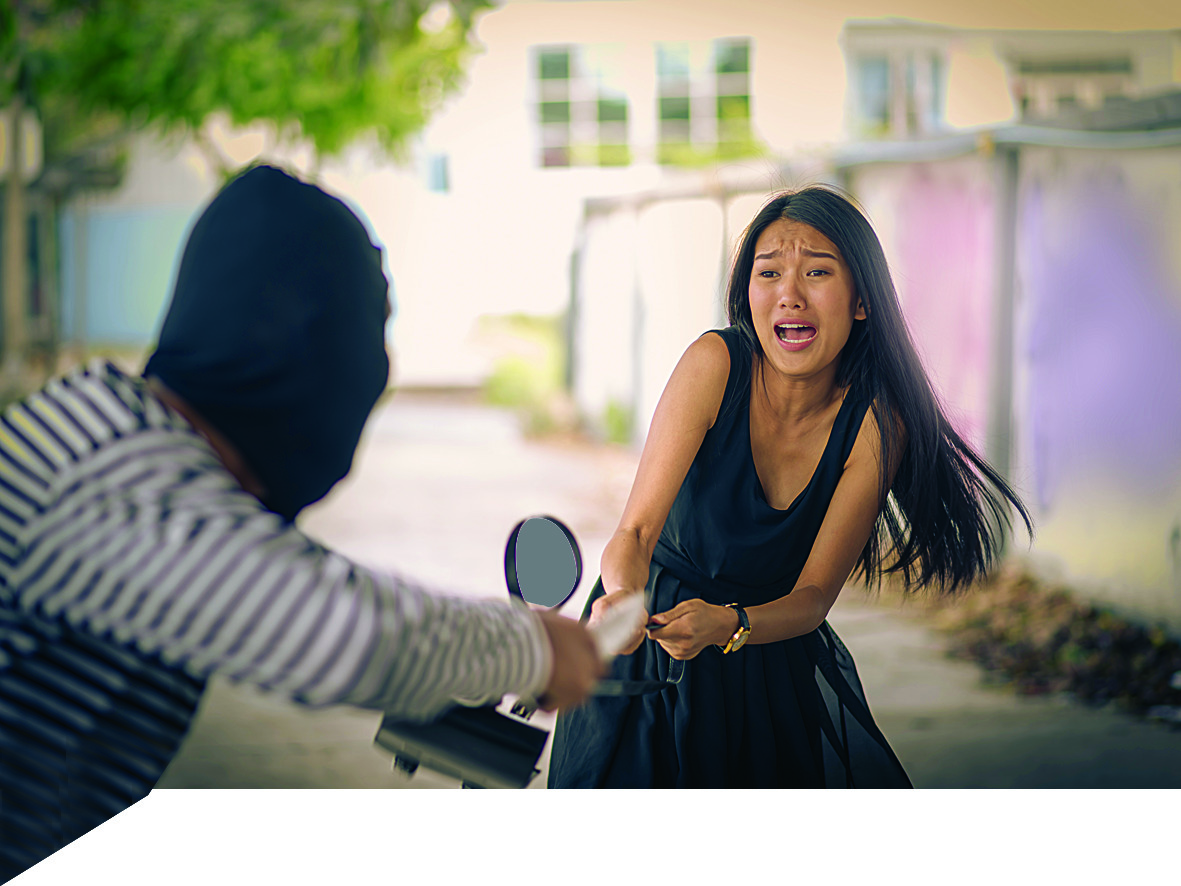
With a spike in mugging incidents at popular tourist destinations, travel experts have a word of advice for travellers: DO NOT wear expensive watches, jewellery, designer clothes, shoes, branded handbags while travelling abroad. There has been a string of snatch-and-run crimes across tourist hotspots in London, Paris, Brazil, Barcelona, Rome, Canada and the US.
(Un)Safe Travels
Recently, a 46-year-old man from New Jersey was robbed at gunpoint by three masked men for his Cartier Santos watch near Hudson Yards. “My cousin was wearing a diamond-studded watch. Only she was targeted in Rio de Janeiro. The thug grabbed her diamond watch, bag and fled on a bike. We were all there, but could not help as he was armed with a knife,” says a woman business entrepreneur from Hyderabad. In another incident, a woman was mugged by a man in the Washington Square Mall parking lot for her special edition Air Jordan sneakers.
Last month, Malaysian businessman Vinod Sekhar was mugged in London by two thugs for his watch while he was parking his car. Sekhar narrated his ordeal on FB saying: “They rushed at me, smothered me, hit me a few times on the chest and thighs, and tore the watch off my wrist. I tried to hold on but couldn’t — my post-transplant medication and health simply didn’t allow it.” However, Sekhar's wife, Winy Yeap, fought like a lioness and came to his rescue. Some of these violent mugging crimes are not in dark and desolate alleys, but in broad daylight at crowded areas and transport hubs.
Expert Speak
Police advise visitors to keep valuables hidden. While insurers now sometimes exclude luxury watches, handbags or jewellery from coverage unless stored in hotel safes. For many Indian travellers, these developments have reshaped what foreign travel looks like. “The first instruction I give to Indian tourists is to avoid carrying expensive jewellery, watches, and designer bags while travelling abroad,” says Sheetal Dev, a Pune-based international travel consultant who has organised tours for 15 years. “I make sure that each person in the group has comprehensive travel insurance. I tell them to be extra careful with their passport and wallets. The best practice is to keep it in the hotel safe.”
The consequences of theft abroad go beyond lost possessions. A disrupted itinerary, emergency consular visits, and the need to replace passports or cards can extend a trip and inflate costs. “Getting mugged is the last thing you want in a foreign country,” Dev explains. “Everybody gets rattled. It is a cumbersome process to connect with the police, the bank, and the Indian consulate if your passport is lost. You may have to reapply for a visa, your stay increases, and so do your expenses.”
Harrowing Experience
For travellers like Sonia Gambhir, these experiences are deeply personal. During a shopping trip in London, her bag was taken from under a jacket while she tried on shoes. “My entire pouch, which had around £400, was gone,” she recalls. “Thankfully, my phone was in another pocket. I asked for CCTV footage, but it was deleted. Nothing could be retrieved, and the case was closed. Nobody from the shop really helped; it seemed no one wanted to help.”
The horror wasn’t just the theft but the realisation that she had no one to turn to, no familiar number to call, no sympathetic face in the crowd. “People say don’t wear designer clothes, don’t carry expensive bags — but it’s also like telling women not to dress up to avoid rape,” she opines. It puts the onus on the victim instead of on the person committing the crime.
Safety Map
Awareness and preparation are part of the new travel lexicon. Gulshen Bano, a London-based Krav Maga instructor and founder of Strike Back (Self Defence), recounts a Paris Metro incident in which a man attempted to steal her passport and credit cards. Her training allowed her to act quickly: she retrieved her documents and prevented the theft. “I was with my children and became a distraction,” Bano says. “It’s very easy for thieves to take advantage of someone who isn’t aware of their surroundings. Even the smallest delay can result in losing valuables. That’s why situational awareness is crucial.”
Bano now teaches women and girls globally to recognise risk signals, maintain distance, and use defensive techniques when necessary. “Even simple skills, like using your voice or creating space, can make a huge difference,” she says.
Women travellers are particularly affected by this shift in advice. Self-defence and situational awareness have become essential topics for many. Bano says, “Predators look for hesitation or distraction. Women can travel freely and remain safe by staying alert, understanding body language, and having basic defensive skills.”
Dev agrees: “Some Indian tourists still travel with extra bags or valuables and then complain about incidents. Travelling light reduces risk and makes it easier to manage emergencies.”
For frequent travellers, these precautions have become routine. Neutral clothing, zipped crossbody bags, and leaving jewellery at home are now standard advice. Awareness is key.
Stop, Think, Act
The perception of safety shapes where tourists go. Dubai, Singapore, and Tokyo are increasingly recommended for their low crime rates and strict law enforcement. European capitals, despite their cultural appeal, have gained reputations for mugging and petty theft, prompting travellers to adjust their itineraries and habits. Tour operators and insurance providers advise clients to combine vigilance with practical planning: keep passports in hotel safes, carry minimum cash, avoid flashy displays, and understand local emergency procedures.
Global travel has become an exercise in balancing aspiration with prudence. Indian tourists, once encouraged to display wealth as a sign of arrival, are now adapting to the realities of urban theft. The new travel culture combines caution, preparation, and resilience. Safety does not mean fear. It means being equipped to handle the unexpected.
Troublesome Travelogue
· A man from New Jersey was robbed at gunpoint by three masked men of his Cartier Santos watch near Hudson Yards.
· A woman was mugged by a man in the Washington Square Mall parking lot for her special edition Air Jordan sneakers.
· Malaysian businessman Vinod Sekhar was attacked in London by two miscreants for his watch while he was parking his car.
· An Indian woman was mugged by an armed bike-borne thug in Rio who snatched her diamond watch and bag
Safe Travel Tips
Dos
• Keep passports, cards, and spare cash locked in the hotel safe.
• Use cross-body or anti-theft bags; keep them zipped and in front.
• Carry digital backups of key documents.
• Be alert in crowded transport zones, stations, and cafes.
• Get comprehensive travel insurance before departure.
Don’ts
• Avoid displaying expensive watches, jewellery, or shopping bags in unfamiliar areas.
• Keep your phone in your hand or back pocket while walking.
• Trust bystanders too easily after an incident — report directly to authorities.
• Assume “tourist” areas are automatically safe.
• Post real-time location tags on social media.
Bon Voyage
Top 5 Safe Tourist Places
1. Tokyo
2. Singapore
3. Dubai
4. Copenhagen
5. Reykjavik
Top 5 Risky Tourist Places
1. Paris
2. Barcelona
3. Rome
4. Prague
5. Athens
(Sources: Numbeo Crime Index 2025, European Tourism Safety Reports)

