The pursuit of ‘healthy skin’ has transformed skincare into a culture of quick fixes and commerce
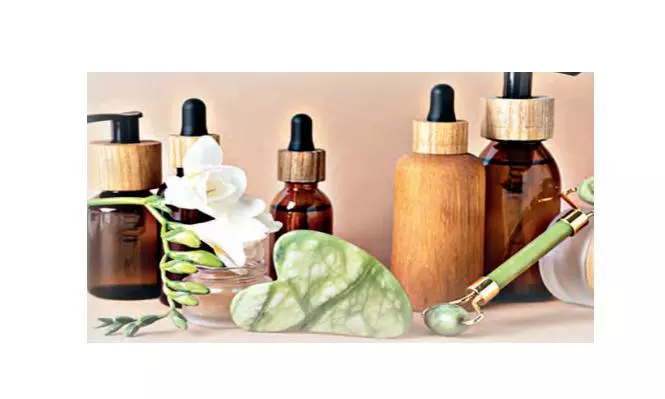
About a decade ago, beauty shelves were dominated by makeup products. Today, skincare products occupy the centre stage. Consequently, the beauty industry has witnessed a shift in consumer needs towards ‘healthy skin.’ Nipun Kapur Sohal, Skincare Educator, says, “Skin has become the modern status symbol. We've shifted from the heavy makeup of the 2010s to the bare canvas being the ultimate luxury. While this reflects a positive focus on wellness and self-care, it has a dark side”. An average Indian consumer spends anywhere between Rs 1,000 and Rs 3,000 on different combinations of products every month. For those opting for in-clinic treatments such as lasers, chemical peels and injectables, it ranges up to Rs 30,000 per session.
The Social Skin
Clear skin today is seen as self-expression, confidence and self-care. Consumers are increasingly investing their money and emotions in skincare routines. This shift is redefining consumer behaviour. Rhea Kapadia, Co-founder, Rare Chemistry, says, “The younger generation wants to buy into the lifestyles where they want to be associated with brands. Owning which will change their social perception and resonance.”
Glow Getter
It started with consumers seeking to address the root causes of skin concerns rather than merely masking them through cosmetic fixes. In search of long-term solutions, many turn to dermatologist-recommended or approved products and ingredient-led formulations. What started as a quest to address the underlying issues has eventually evolved into an industry driven by science and evidence.
Skincare has transformed from a niche beauty practice to a widespread wellness routine. Today, good skin health is not just a desire for some but an aspiration being shared across demographics. The skincare industry is now a major part of the wellness culture, with skincare itself evolving into a lifestyle.
Skin-investment
People are investing in products that promise healthier skin. The skincare market has become one of the fastest-growing pillars of the wellness economy. At times, it blurs the line between care and commerce. “By creating a specific serum for every millimetre of the face, the industry has forced us to look at ourselves under a magnifying mirror, fuelling major skin anxiety,” says Nipun. From serums, spot treatments, dermatologists' consultations and professional treatments, consumers are spending more than ever to pursue skin that is not only clear but also, in some ways, reflects self-assurance and social validation.
Himi Khandelwal, Beauty and Skincare Creator, says, “Lot of people say what they buy for their skin is shaped by marketing influencers or trends.” As brands create a vast array of products targeting specific concerns, the marketing itself is fostering a sense that every pigmentation, acne or blemish deserves a dedicated solution.
Unravelling the Filter
Social media has undoubtedly fuelled hyper-awareness of skin health with ingredient-focused content, trends and hacks. Rhea says, “With newer-age brands, we are slowly getting into that habit of treating skin as skin and not chasing perfection.” Nipun notes, “I want to see the conversation pivot from perfection to function, celebrating a healthy skin barrier over an airbrushed aesthetic.”
No Glass Skin
The cost of skincare extends beyond paying the price of products. It has come to mirror a broader understanding about people’s changing relationships with themselves and the world around them. This shift is well reflected in the rapid growth of the skincare industry.
According to the estimates by Grand View Research, the Indian skincare market was valued at around $8 billion in 2024, with an expected rise to up to $10 billion by 2033. As consumers continue to buy into the promises of healthier skin, it has evolved into a lifestyle investment.
Rhea notes, “It took me time to understand that I cannot have glass skin.” As someone building a skincare brand, she says, “Treat skincare as a fun activity and not an assignment.”
Perhaps the true value of skincare lies in building informed routines, accepting individual skin and embracing the uniqueness of Indian complexions. When skincare is separated from the pressure of performance, we see it for what it’s meant to be, an act of care and understanding.
A Costly Affair
• An average Indian consumer spends anywhere between Rs 1,000 and Rs 3,000 on different combinations of products every month.
• In-clinic treatments such as lasers, chemical peels and injectables cost around Rs 30,000 per session.
• The Indian skincare market was valued at around $8 billion in 2024, with an expected rise to up to $10 billion by 2033 (Grand View Research)