Whether it’s dressing up salads or adding that zing in meals, vinegar has a sweet and sour romance in the culinary world
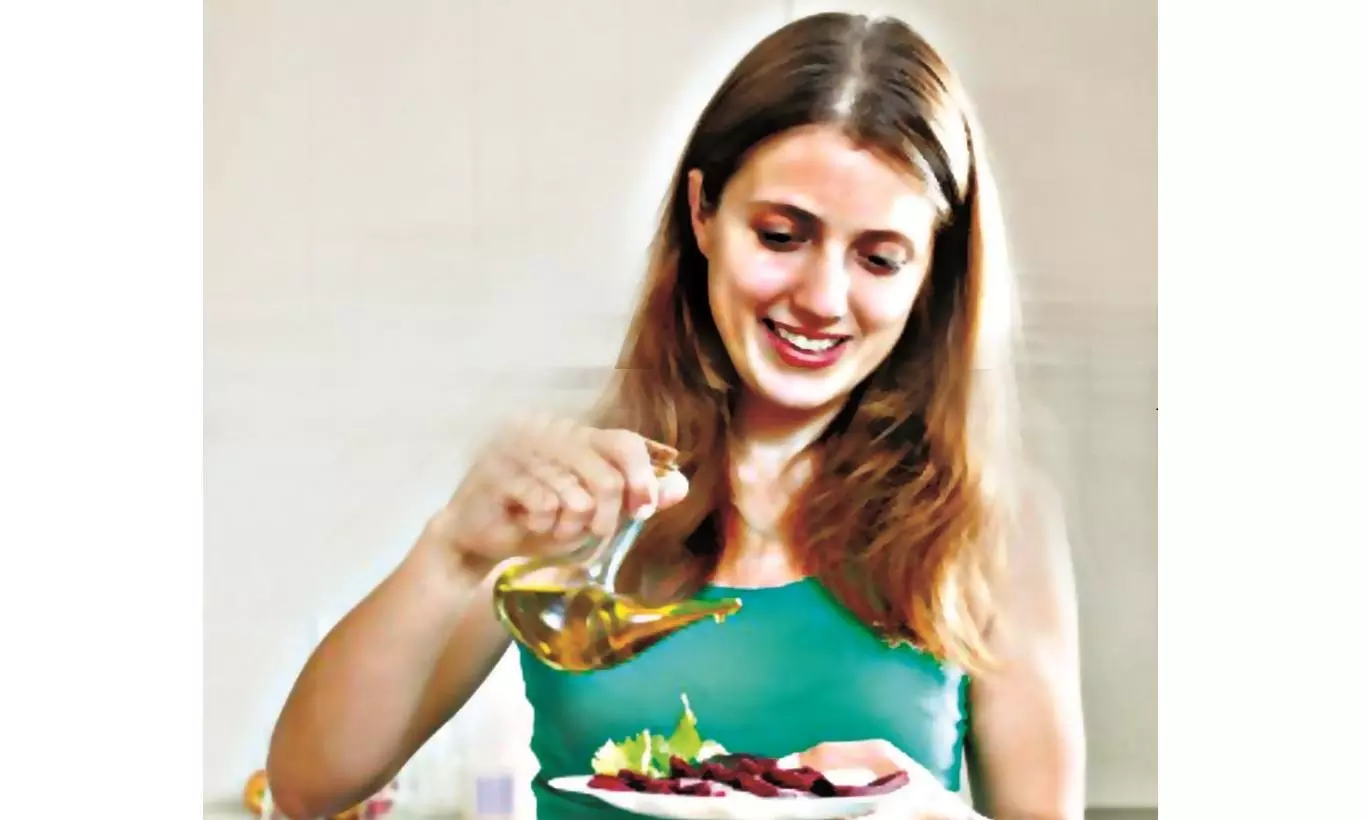
Sour, sharp, bold, and full of flavour, vinegars have been a kitchen staple across the world. They are a food connoisseur’s tangy delight and the ‘zest’ pal in the wellness world. In Indian kitchens, it has been a quintessential ingredient, particularly in pickles and traditional preparations. Vinegar is an acidic liquid produced through the fermentation of ethanol by acetic acid bacteria.
Today, there are various dishes made with vinegar, and the market has now infused vinegars with herbs and spices, each offering unique health attributes. Chefs and mixologists are experimenting with vinegar-based delicacies and beverages.
Tangy Tales
Vinegar is one of the most common globally used ingredients. Its type, intensity, and culinary role vary widely by region. “Across cultures, vinegar serves a balance by cutting richness and enhancing flavours. Preservation in pickling and fermenting, especially in warm climates. In Japan, it is rice vinegar that is popular; black rice vinegar (Chinkiang) and red vinegar are used in China. France has its Wine vinegar, champagne vinegar, while in the US, it is distilled white vinegar, and apple cider vinegar,” says Chef Syamal Raju Annamneedi, Corporate Chef at Iron Hill.
It is used for pickling and preservation in India. It is also added to chutneys and street-food sauces for acidity. Indo-Chinese dishes, Manchurian, Hakka noodles, and fried rice rely on vinegar for balance. Also used in marinades for Goan pork vindaloo (historically, wine vinegar).
A Briny Masterpiece
Currently, it is not just a “vinegar trend”—it’s a redefinition of acidity in modern cuisine. “Today’s chefs are demonstrating that when acidity is purposefully incorporated, it enhances flavour and makes a dish lighter, brighter, balanced, and aligned with the priorities of contemporary diners. Vinegar is not just an acidic ingredient—it is a flavour architect. Used with intent, it sharpens, balances, preserves, and elevates dishes across cuisines,” adds Syamal.
In savoury dishes, vinegar’s role is balance. A splash at the end of cooking lifts slow-cooked vegetables, legumes, and gravies by brightening hidden flavours. In creamy sauces, fried foods, or fatty meats, vinegar cleans the palate and prevents heaviness.
A dash of vinegar prevents desserts from becoming cloying. It intensifies berries, apples, and citrus notes. “In baking, vinegar can improve crumb structure and lightness. Applications include Fruit compotes and sorbets. In Chocolate-based desserts (where acidity deepens cocoa notes), Balsamic or fruit vinegar reductions paired with fruits, cheeses, or ice-creams, when used correctly, diners don’t “taste vinegar”—they taste clarity and contrast,” says Syamal.
Sour Soulmates
Vinegar-based drinks go well with today’s shift toward mindful, low-sugar drinks. “Vinegars move into drinks is a natural evolution, traditional, yet modern in expression. They offer depth and complexity, and vinegar has historically been used in beverages long before citrus became common. The balance of flavour and function is resonating with modern consumers, so ready-to-drink vinegar beverages and vinegar-based mocktails are available across cafés and bars. ACV is widely used because it’s mild and fruity. Rice vinegar is softer, while white wine and champagne vinegars offer clean acidity. For more depth, bartenders use balsamic or sherry vinegar in very small quantities,” states Sanoj Rai, Manager at The Bar, Novotel Hyderabad Convention Centre.
Health Benefits
The key active compound in vinegar is acetic acid, which research suggests may help reduce post-meal blood sugar spikes when used sensibly as part of a balanced meal. “Some people find that Vinegar supports digestion and appetite control, which can indirectly support weight management. Certain vinegars contain polyphenols that offer antioxidant support, and fermented options like ACV may add beneficial compounds. It’s not a magic cure, but used correctly, it can be a useful lifestyle add-on,” says Deepika Rathod, Chief Nutrition Officer at Luke Coutinho Holistic Healing Systems.
For regular use, people prefer raw, unfiltered ACV. “It acts like a prebiotic support for good gut bacteria, and helps in blood sugar control and weight management. Jamun vinegar, raw and unfiltered, can also be an option, especially for people watching their sugar levels,” adds Deepika.
Not A Quick Fix
Don’t treat vinegar like a morning ritual or a quick fix. Taking it on an empty stomach can feel harsh and may trigger nausea or acidity. “Always dilute 2 teaspoons to 1 tablespoon in about 250ml of water. Ideally, take it 30 minutes before meals. To avoid teeth sensitivity, use a straw and rinse after. Avoid or limit if you have acidity/GERD, ulcers, gastritis, or if you’re on medications where acidity may be a concern. If pregnant, diabetic better to consult with your doctor,” concludes Deepika. Use vinegar wisely, and you will never be in a pickle!
THE ACID KICK
• Rashmika Mandanna drinks apple cider vinegar (ACV) in the morning by mixing it with water, to aid digestion and boost metabolism.
• Katy Perry’s mother gave her ACV, mixed with honey instead of soda, for a healthy immune system during her growing-up years.
• Malaika Arora has an immunity booster health shot of gooseberry, fresh turmeric and ginger root with some ACV and peppercorns.
• Victoria Beckham starts her day with tablespoons of ACV followed by hot water with lemon as part of her wellness routine.
Vinegar Vibes
Grill Chicken, Arugula Salad With Balsamic Dressing (Courtesy: Chef Syamal Raju Annamneedi, Corporate Chef at Iron Hill India)
Ingredients
For the Salad:
• 120 g grilled chicken breast
• 3 cups mixed salad greens (romaine, arugula, spinach, etc.)
• 1 /2 cup cherry tomatoes, halved
• ¼ cup crumbled feta
• 50 g walnut
• Olive oil
• Salt & pepper, to taste
Balsamic Vinaigrette:
• ¼ cup balsamic vinegar
• ½ cup extra virgin olive oil
• 1 teaspoon Dijon mustard
• 1 clove garlic, minced
• 1 teaspoon honey
Method
1. In a bowl, whisk together balsamic vinegar, olive oil, Dijon mustard, garlic, honey, salt, and pepper.
2. Combine salad greens, tomatoes, cucumber, walnut. Add sliced grilled chicken on top. Sprinkle cheese.
3. Drizzle the balsamic vinaigrette and toss before serving
Vinegar Mocktails (Courtesy Sanoj Rai, Manager at The Bar, Novotel Hyderabad Convention Centre)
Ginger Zinger
• 1 cup ginger ale
• 45ml fresh lime juice
• 1tsp apple cider vinegar
• Ice cubes
• Lime slice
Instructions
1. Mix well, add ice cubes, garnish with a lemon slice and serve.
Minty Refresher (Sanoj Rai, Manager at The Bar, Novotel Hyderabad Convention Centre)
• 1/2 cup cucumber lime juice
• A few mint leaves ( coarsely crushed)
• 1 spoon of white vinegar
• Sparkling water
• Ice cubes
• Mint sprig
Method
1. Mix the ingredients, strain them.
2. Stir with ice cubes, and garnish the glass with Mint leaves.

