Doctors warn that youngsters are wrecking their knee joints with silly acrobatics and daredevil dance moves for 10-seconds Insta fame
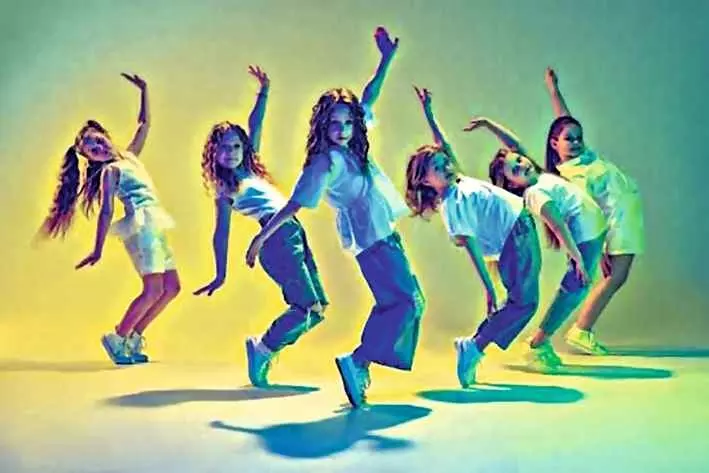
From the knee drop challenge to floor slides and those infamous slow squat transitions, viral dance trends are leaving more than just footprints on the algorithm.
Scroll through Instagram or TikTok, and you’ll see it — teenagers dropping, spinning, sliding, and slamming their knees to the floor like they’re auditioning for a high-budget music video. From the knee drop challenge to floor slides and those infamous slow squat transitions, viral dance trends are leaving more than just footprints on the algorithm. They’re leaving scars — literally.
Orthopaedic doctors across India are seeing a surprising new demographic in their clinics — Gen Z with knees of forty-year-olds. “Currently, knee problems are rampant in youngsters. A large number of 20 to 30-year-olds are struggling with knee pain that’s interfering with their daily routine,” says Dr Rohan Bhiwgade, Consultant Ortho-paedic, Medicover Hospitals, Kharghar, Navi Mumbai.
The Reel-Driven Injury
It all starts innocently. A trending audio, a few million views, and a caption that says, “Try this if you dare.” The problem? Everyone’s daring — and few are preparing. What used to be a 15-second clip of joy is now a full-blown orthopaedic nightmare.
Physiotherapists report that young dancers are showing signs of early wear and tear, injuries usually seen in middle-aged adults. “We’ve seen 18-year-olds come in with patellar bruising, ligament strain, and early signs of cartilage thinning,” says a Mumbai-based sports physiologist. “It’s not just about the one fall — it’s repetitive, high-impact movements done without conditioning.”
One Hyderabad teen even went viral for dancing with a knee brace, flaunting her injury like a badge of honour. The comments flooded with “Slay queen,” and “Pain is temporary, fame is forever.” Unfortunately, cartilage doesn’t regenerate as fast as views.
Science of the Slam
Let’s break down what’s actually happening. Most viral dance challenges are designed for spectacle, not safety. The knee drop — where dancers fall dramatically onto their knees before bouncing back up — can exert three to four times the body’s weight on the joint in one go. Add repetition, poor flooring, and zero warm-up, and you’ve got a recipe for chronic inflammation, tendon strain, and early osteoarthritis.
“Causes can be attributed to sports injuries, accidents, obesity, lack of exercise, and poor posture,” explains Dr Bhiwgade. “It’s necessary to focus on knee health without any further delay.”
What makes this particularly alarming is how digital culture has glamorised pain. Limping out of a challenge isn’t a warning — it’s a flex. For Gen Z, injuries sometimes double as proof of effort or authenticity.
Hurt But Make It Trendy
Social media thrives on visuals, and pain, strangely enough, performs well. The “grind culture” mindset — do it for the content, push through the pain — has trickled into dance, too.
Experts warn this could normalise chronic damage. “Unmanaged knee pain can cause mobility issues and reduce the range of motion,” Dr Bhiwgade adds. “One will struggle to perform daily activities like walking, sitting, or even standing. It’s necessary to manage knee pain without neglecting it.”
What’s more, many young people dismiss early pain as muscle soreness. They ice, pop an over-the-counter painkiller, and get back to filming — not realising that repetitive microtrauma can lead to permanent joint damage.
Ice Packs to Orthopaedists
Orthopaedic clinics in Delhi, Mumbai, and Hyderabad are noticing the trend. According to informal reports, cases of knee pain in people under 25 have doubled compared to five years ago. These aren’t just dancers — they’re content creators, influencers, and fitness enthusiasts copying challenges without supervision.
“Physiotherapy should always be the first line of treatment,” says Dr Bhiwgade. “If pain persists, medication prescribed by a specialist can help. Only when both fail should surgery be considered. Right and timely treatment can improve quality of life.”
But beyond treatment lies prevention — something few creators talk about. Proper warm-ups, strength training, and using cushioned flooring can significantly reduce risk. Unfortunately, when the spotlight (and smartphone camera) is on, safety takes a backseat to virality.
Performance Pain Psychology
Psychologists say the need to participate stems from social validation. Missing out on a trend feels like missing out on belonging. “Teens link self-worth with engagement metrics,” says Dr Neha Gupta, a behavioural psychologist. “The pain becomes secondary to the thrill of online approval.”
This competitive environment means that even after injuries, dancers push themselves
to “redeem” their online presence. What was once self-expression has, in some ways, turned into self-sabotage — one knee at a time.
The Physical Toll
Parents often mistake these viral trends for harmless fun until their teenager complains about pain climbing stairs. “It’s shocking to see school and college students on long-term physiotherapy plans,” notes Dr Bhiwgade. “Many of these injuries could have been prevented with proper awareness.”
The irony? Many of these young dancers aren’t even aspiring professionals — they’re simply chasing the dopamine rush of likes and follows. But as orthopedic bills rise, that dopamine hits a little differently.
Not All Doom & Gloom
Of course, not all dance trends are destructive. Controlled routines, proper footwear, and mindful movement can actually strengthen joints and improve coordination. Experts encourage responsible participation — choosing trends that rely on rhythm
and creativity rather than risky physical stunts.
So, the next time you’re tempted to join a knee-drop trend, ask yourself — is that 10-second reel worth 10 years of physiotherapy?
Because on social media, pain might trend — but healing doesn’t.
Knee-dless Drama Trauma
• A Hyderabad teenager’s video went viral for dancing with a knee brace, flaunting her injury like a badge of honour.
• Teenagers are landing in
the hospitals with patellar bruising, ligament strain,
and early signs of cartilage thinning
• The knee drop, where dancers fall on their knees before bouncing back up, exerts three to four times the body’s weight on the knee joint.
( Source : Deccan Chronicle )


Next Story