The Perils of Dr. Google & DIY Diagnosis

As an increasing number of people try to self-diagnose via online searches, doctors have some sound advice for cyberchondriacs
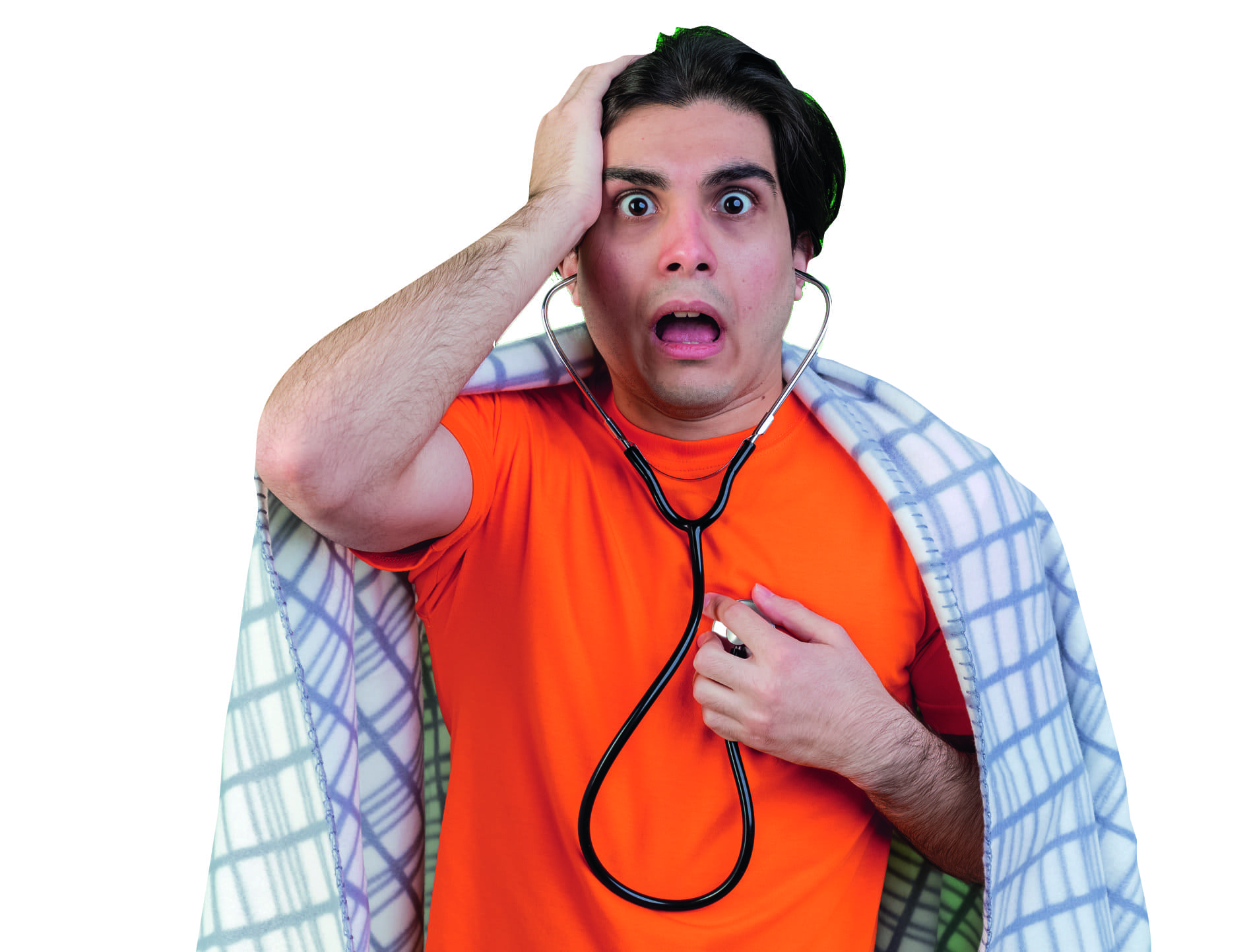
There was a time when consultations used to begin with a sigh, a symptom and a stethoscope. Today, it often starts with the patient’s self-diagnosis. “Doctor, I have Stage 2.....or something, and I read about it on X last night.” Welcome to the world of modern medicine and cyberchondriacs – where diagnosis shows up first, symptoms later. Cyberchondriacs are people, including patients, who constantly surf the Internet to self-diagnose for minor symptoms and then press the panic button. You also have the i-know-it-all ‘Google-Certified Patients’ and ‘AI alumni’, who often tell qualified doctors what the illness could be, its symptoms and the latest treatments.
Answers, Not Questions
“Patients these days come, saying that ‘I think I have this condition’ - they no longer just describe their symptoms but come with a diagnosis,” says Dr Pallavi Periwal, a Consultant Pulmonologist and Critical Care Physician. Not just that, some even have asked AI systems like Chat GPT to prescribe medications post uploading a pic of either a skin rash, blister or pimple.
Dr Pallavi explains that patients now routinely give references of online searches during consultations. While Google remains common, there’s a clear uptick in people citing AI tools—especially ChatGPT—sometimes even quoting AI-generated explanations verbatim. She quips, “This has increasingly become part of everyday clinical conversations.”
According to Dr Periwal, the escalation over the past two to three years has been unmistakable. AI platforms present information in a structured, confident manner, which can make it seem authoritative—even when crucial medical context is missing. She emphasizes that diagnosis in medicine depends on detailed history, clinical examination, and local epidemiology; conditions common in India, for instance, may be rare in the UK, and AI often fails to account for such nuances.
Menace, Across Fields
What makes the problem even more diagnostically dizzying is that it infects almost every medical speciality, just with different symptoms of its own.
Take, for instance, general medicine, doctors now find themselves treating Google-certified patients and AI alumni. Instead of walking in with complaints, many patients arrive clutching a ready-made diagnosis—convinced that a bit of fatigue is diabetes, a few aches are autoimmune disease, and unexplained pain is clearly cancer!
The stethoscope barely gets a look-in before the consultation turns into a myth-busting session, where the doctor must first lower the fever of fear, de-prescribe panic, and gently explain that not every tired afternoon is a terminal illness.
Dr Ruchir Bhandari, Senior Oncologist and Head of Cyber-knife Radiosurgery, shares, “I have had patients who come and tell me the exact type of cancer they have, too.” Dr Ruchir explains here that Patients frequently preface consultations with phrases like “I read online…” or “An AI tool suggested…”, indicating that digital sources are now shaping expectations even before the first medical discussion begins!
Condition & Confusion
Dr Shailya Gupta, a Dermato-logist from Delhi says, “Now patients come in already naming a condition rather than describing what they’re experiencing. Instead of saying, ‘I have itching and redness,’ they’ll say, ‘I think this is rosacea’ or ‘I’m sure this is hormonal acne.’ It’s become quite common.”
Dr Shailya opines that many patients arrive deeply anxious after reading worst-case scenarios online. She adds, “In dermatology, in particular, benign
skin conditions are often mistaken for serious or chronic diseases, creating largely unnecessary fear.”
Things don’t just stop at that. The same pattern is increasingly visible in the consulting rooms of psychologists and counsellors, where patients often arrive not just with feelings, but with finished labels. Instead of saying they feel distracted, overwhelmed, or low, many now open sessions by announcing, ‘I think I have ADHD’, ‘This must be burnout,’ or ‘I’m sure this is a trauma response.'
Aparna Verma, a Counselling Psychologist and Co-Founder of Manovriti, says, “Many clients openly state that they ‘checked online first’ or used AI to ‘confirm’ what they were feeling.”
Hurdles In Treatment
As Internet-based self-diagnosis rises, treatment plans get delayed. Dr Ruchir says, “We often spend time correcting misunderstandings or putting online information into proper context.” Dr Pallavi explains that all this unnecessary info-jumping can delay the actual diagnosis. She quips, “Such pre-diagnosis can reduce time for detailed clinical evaluation and may sometimes lead to pressure for unnecessary tests simply to reassure patients that they are absolutely fine.”
Dr Pallavi vividly recalls a patient with a chronic cough who was convinced that it was cancer after reading something online. Multiple tests were eventually done, only to confirm it was chronic sinusitis and not lung cancer. In such cases, she notes, a significant portion of the consultation shifts from treating the medical condition to managing fear and anxiety triggered by incorrect interpretations.
Aparna also shares experiences that mental-health professionals face. She says, “More time is now spent on psychoeducation—explaining how psychiatric diagnoses are actually made, what diagnostic criteria truly involve, and how symptoms can overlap across conditions.”
Stress, anxiety, sleep deprivation, and environmental pressures, for instance, can mimic features of several psychiatric disorders. Clarifying these distinctions takes time, but it is essential to prevent misunderstanding and unnecessary self-stigma.
Symptoms Not Conclusions
The real diagnosis facing modern medicine isn’t just disease— it’s the ‘self-diagnosis’ overload. When algorithms speak with certainty and screens replace symptoms, anxiety travels faster than illness. The point is that AI can inform, but it cannot examine. It can list possibilities, but it cannot weigh probabilities. And it can never replace the quiet, contextual judgment that comes from years of clinical experience. Medicine was never meant to be practised by search engines. The cure is simple: visit clinics with your symptoms, not your conclusions!
