The Lipstick That Rewrote The Rules

Sidharth Malhotra sparked a new era in India’s beauty advertising
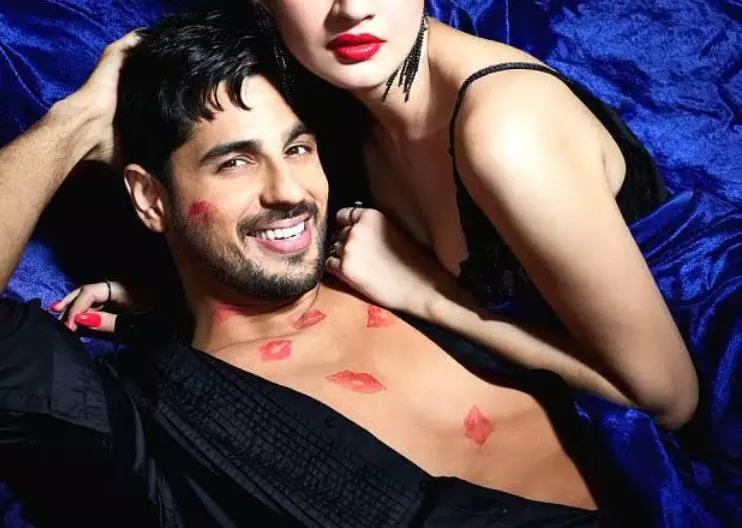
With top Bollywood actresses charging Rs1.5–3 crore per ad shoot, beauty brands are rethinking who truly delivers impact in an overcrowded, hyper-competitive market. One lipstick brand’s decision to cast Sidharth Malhotra didn’t just trim budgets or spark curiosity — it reframed the future of beauty storytelling in India.
A Bold New Chapter for Beauty
When MyGlamm unveiled Sidharth Malhotra as the face of its latest lipstick campaign, it instantly became a cultural moment. The campaign, wittily titled #TestedOnSid, positioned the actor as the literal “testing ground” for the product — an irreverent twist underscored by the line: “Tested on Sid, never on animals.”
The humour worked, but so did the intent. The campaign challenged long-held beauty norms, spotlighted cruelty-free values and tapped directly into Gen-Z’s appetite for brands that are bold, self-aware and ethically expressive. In an era saturated with predictable celebrity endorsements, MyGlamm proved one thing: audacity gets remembered.
Turning to Male Celebrities
While soaring actress fees triggered the conversation, experts insist the shift is driven by strategy, not savings. “Freshness is the new ROI,” says Anirudh Sanjeev, Sr. VP, NewsReach India, a leading creative agency. “This isn’t a cost decision, it’s a relevance decision. A male face in a women-dominated category cuts through the clutter instantly.”
The Smart Hack
“Sidharth may not be the ‘obvious’ beauty choice — and that’s exactly the point,” says Mrityunjay Kumar, Co-founder, Wittyfluence. A male A-lister in a makeup shoot becomes the headline itself. “When the idea lands, it delivers more buzz than any standard beauty film ever could.” Sidharth didn’t just endorse the product; he became the conversation.
Evolved Marketing, Not Just Gender-Fluid Marketing
Today’s consumers want representation that mirrors their own lives — layered, diverse and unboxed. “Featuring a male face isn’t about replacing women,” says Anirudh. “It’s about widening the frame to say beauty belongs to anyone connected to it.” The campaign’s inclusive tonality made the brand feel culturally aligned — modern without being forced, progressive without being performative.
Is This Just a Buzz Moment?
Experts believe the shift is long-term. “We’re moving toward a model where originality trumps predictability,” says Anirudh. “Budgets are tighter, audiences are sharper. Surprise beats predictability every single time,” adds Mrityunjay.
A Parallel Lesson From Jewellery
The logic isn’t confined to beauty. Ramakanth Thumrugoti, CMD, RBC Worldwide, recalls recommending male stars for a national jewellery brand — a category historically fronted by women. The results were immediate. “The primary audience was women, and a fresh perspective featuring popular male actors captured attention more effectively,” he says. Interestingly, male celebrity fees were often as high — or higher — than their female counterparts. Yet the strategy delivered something money can’t buy: emotional connection.
“Women appreciated seeing men portrayed as caring partners and responsible fathers. It wasn’t about disruption or trend-chasing — it was rooted in genuine emotional resonance.”
