Simply can’t resist salted chips at 4pm, chocolate pastry during your periods or an ice-cream at midnight? Well, here’s what your food cravings mean
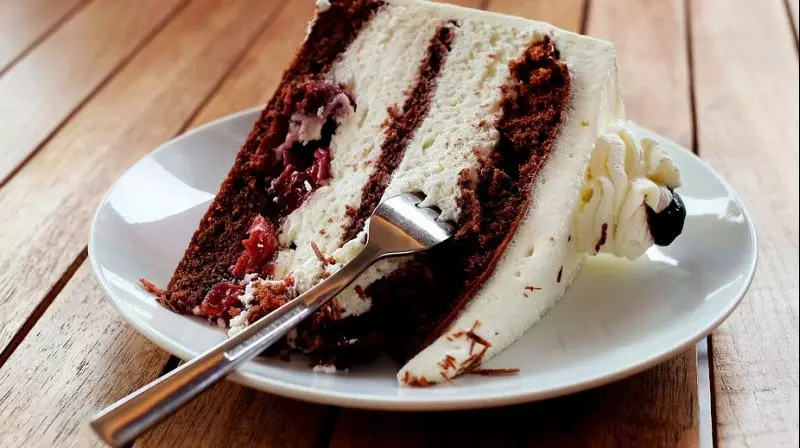
We’ve all been there: that 3 AM craving for a packet of crisps, or a sudden, almost irresistible need for a slice of chocolate cake. But what if these cravings weren’t just random whims? According to nutritionists Aditi Prabhu and Nandini Sharma, food cravings may actually be an essential clue to your body’s nutritional needs, as well as your emotional and hormonal state. Let’s unpack what your cravings might really mean and how you can address them healthily.
A Hidden Message
One may think cravings are just about indulgence or bad habits, but they often have deeper roots. Prabhu explains that cravings can result from a mix of physiological, psychological, and environmental factors. “It may be linked to deficiencies in certain nutrients like chromium or sodium,” she notes. For example, that overwhelming urge for something sweet, like cake or biscuits, could signal a magnesium deficiency. “Chocolate cravings, specifically, are often due to low magnesium,” says Prabhu.
Similarly, “A craving for salty food might indicate a deficiency in sodium, zinc, or chloride,” Prabhu explains. If you’re reaching for cheese or nuts, it could mean a need for more protein.
Hormonal changes also play a role, particularly in women. Nandini Sharma highlights how the menstrual cycle can lead to specific cravings. “In the luteal phase, where progesterone dominates, your body’s requirements for nutrients like magnesium, vitamin B6, and vitamin C increase,” she says. If your body isn’t getting enough of these nutrients, cravings for chocolate and high-calorie foods may intensify.
Hormonal Influence
During the menstrual cycle, hormones drive food cravings. Prabhu notes that during the follicular phase, when estrogen is high, appetite tends to be suppressed. This is because estrogen encourages protein synthesis and boosts your mood. However, during the luteal phase, when progesterone levels peak, the appetite increases, often leading to cravings for comfort foods like chocolate or pasta.
Sharma agrees, pointing out that the body naturally requires more calories during the luteal phase. “If women stick to the same calorie intake as during the follicular phase, cravings can skyrocket,” she says. This is because the body is signalling that it needs more nourishment, especially in the form of quick energy sources like sugary snacks.
Mind-Body Connection
It’s not just hormones and nutrients influencing cravings. Stress and mood play significant roles as well. “Neurotransmitters like serotonin and dopamine have a big impact on our cravings,” explains Prabhu. When serotonin levels are low, for instance, people may crave carbohydrate-rich or sugary foods to lift their mood. Similarly, when dopamine — the “feel-good” hormone — is low, cravings for high-fat or salty foods may arise as a way to stimulate pleasure.
Cravings aren’t just a reaction to hunger or nutrient deficiencies. Emotional states like stress or sadness can lead to the need for comfort foods. “When we’re feeling low or stressed, our body craves comfort foods to stimulate endorphins,” says Prabhu. Interestingly, whether your comfort food is sweet or salty can depend on your individual preferences, but the underlying mechanism is the same: your brain is seeking a mood boost.
Sharma elaborates on how stress and anxiety can further influence cravings. “When we’re stressed, our cortisol levels rise, which can increase cravings for sugar and high-fat foods,” she says. Essentially, these foods act as a temporary coping mechanism, offering immediate pleasure despite the underlying emotional turmoil.
More Than a Myth
While there’s often a popular belief that cravings are signs of specific nutrient deficiencies, Sharma is quick to point out that these ideas haven’t been definitively proven by research. “Yes, magnesium deficiency might contribute to chocolate cravings, and sodium deficiency could lead to salty food cravings,” she says, “but this is still a hypothetical theory, not a proven scientific fact.” That said, she acknowledges that nutrient deficiencies can increase your body’s desire for foods that contain the missing nutrients.
Cravings for sugary foods, for example, may be linked to a lack of protein in your diet or a deficiency in chromium, which helps regulate blood sugar. Additionally, Prabhu highlights how an insufficient intake of omega-3 fatty acids and vitamins D and B12 could lead to cravings for oily or dairy-rich foods.
Gut Health & Lifestyle
Interestingly, gut health could also be influencing cravings. “The majority of serotonin is produced in the gut, so maintaining a healthy digestive system is crucial for regulating mood and appetite,” Prabhu explains. Foods like fermented items, leafy greens, and nuts can support gut health, and in turn, help manage cravings.
Another lifestyle factor that influences cravings is sleep. Poor sleep can disrupt your hunger-regulating hormones, leading to an increase in cravings for high-calorie foods. “If you’re sleep-deprived, your body is more likely to crave sugar and fatty foods as a quick source of energy,” says Prabhu. So, getting enough rest isn’t just essential for overall health—it can help curb those irresistible cravings.
Tame The Craving Beast
Managing cravings doesn’t have to mean completely denying the treats you love. Both Prabhu and Sharma suggest balancing your meals to prevent nutrient imbalances and, consequently, cravings. “Eat regular, balanced meals with an emphasis on protein, healthy fats, and fibre,” Prabhu advises. Engaging in mindful eating and portion control can also help you navigate cravings without overindulging.
Sharma adds that regular physical activity can play a role in curbing cravings. “Exercise boosts dopamine and serotonin levels, which can naturally reduce cravings for sugary or salty foods,” she says.
By understanding the underlying factors that drive cravings — whether they’re hormonal, emotional, or nutritional — one can make more informed choices about how to manage them. Your body is sending you signals, and with a little awareness, you can answer those cravings in ways that benefit both your body and mind.