The Hard To Swallow Truths About Plastic

Doctors speak of the toxic effects of plastic in our kitchens and share sound advice
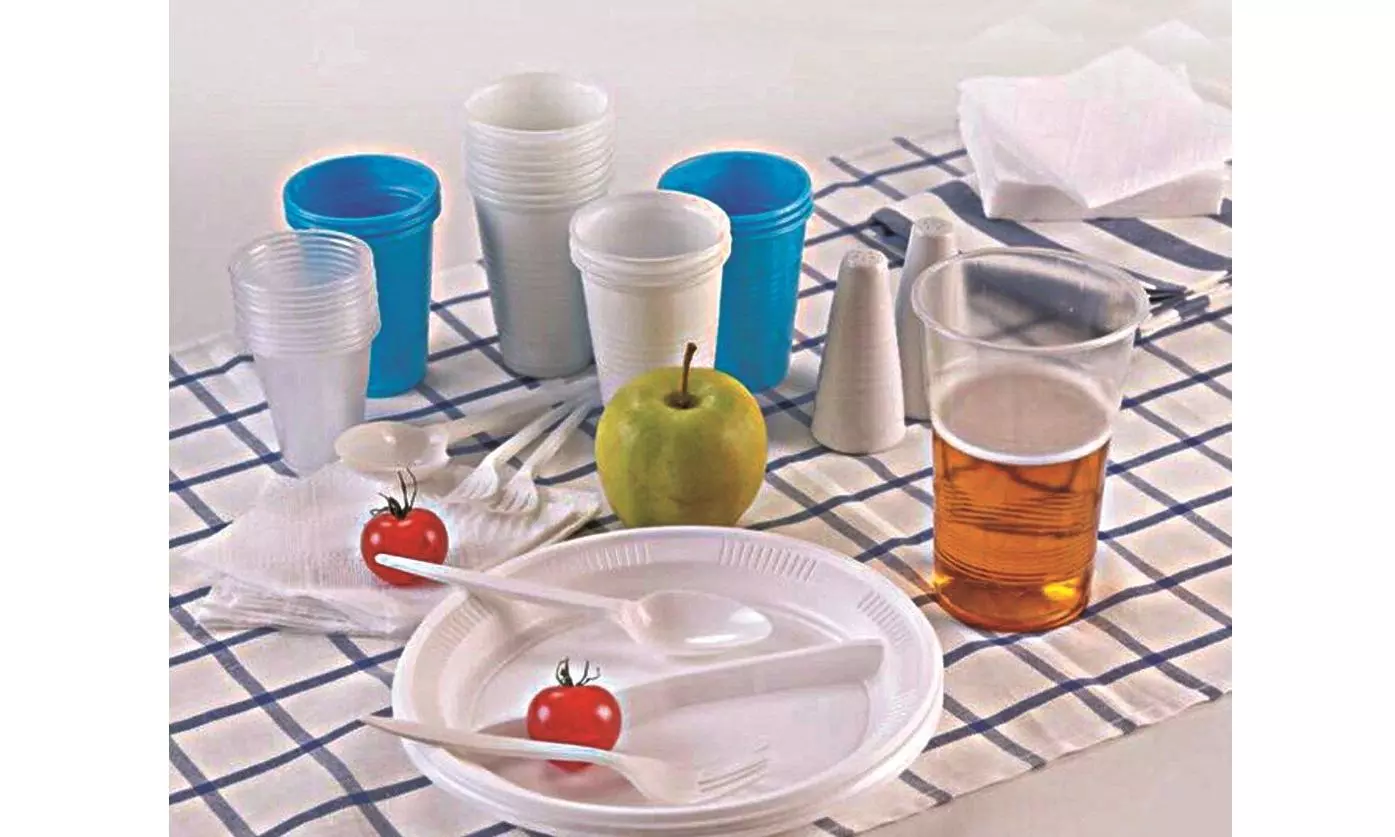
We have all been guilty of reheating food in cheap takeaway plastic containers. Plastic containers are cheap, durable and seem to have seeped into our daily lives, especially in the kitchen. But the harsh truth is that a majority of the plastic containers contain harmful, toxic chemicals that can wreak havoc in your body. Chemicals like Bisphenol A (BPA) can interfere with one’s metabolism.
Food For Thought
“Many plastic products contain chemicals added to improve flexibility, strength or durability,” says Dr Ruchir Bhandari, FRCR (London), DNB Clinical Oncologist and HoD, Cyberknife Radio-surgery. Oncologists and health experts are cautioning people about exposure to plastic, especially within homes and kitchens. This concern isn’t about plastic waste choking oceans anymore. It is about deadly plastic gradually choking your body.
Dr Ruchir says, “Plastic becomes more harmful when it comes in contact with heat, oil or acidic food items.” Explaining that one of the most deceitful dangers lurking in plain sight is plastic leaching—the slow seepage of chemicals from plastic into our food.
The trigger is almost always heat: microwaving meals in plastic containers, pouring piping-hot curries into takeaway boxes, or reheating leftovers on repeat. What passes off as a harmless, everyday habit can quietly brew a chemical cocktail. And this toxic mix is consumed without pause.
Kitchen: A War Zone
The kitchen is the most dangerous place for plastic because of two factors: Heat and Acidity. Ankita Gupta, Dietician & Founder of Nutrition Matters from Delhi, explains that when hot curry is poured into a plastic container, a process called migration occurs. It’s here that chemicals like Bisphenol A (BPA) and Phthalates leach out of the plastic and get into your food. Ankita quips, “You aren’t just eating your dal or sabzi, you are eating a side serving of plasticisers.”
Unfortunately, it happens faster with acidic foods like pickles, tomato gravies and sambar or fatty foods like ghee or oil. The kitchen has become a site of slow exposure to dangerous plastic. The problem compounds with the use of plastic containers way beyond their intended lifespan — scratched, warped, discoloured, yet still pressed into service.
Health Hazards
Plastic can also cause cancer due to the varied chemicals it releases. While definitive human proof is still under scientific scrutiny, the warning signs are loud enough to ignore at one’s peril. Chemicals like BPA and phthalates are known hormonal impostors, mimicking estrogen and meddling with the body’s finely tuned endocrine orchestra. And when hormones go rogue, cancers such as breast and prostate often follow suit. Dr Ruchir says, “Microplastics are even more dangerous, carrying toxins that trigger inflammation, oxidative stress and cellular chaos.” Those among the most vulnerable include children and infants. Pregnant women face a double burden, as these chemicals can cross the placental barrier and affect the unborn child before life even begins. The elderly and those with chronic illnesses have fewer physiological defences.
Safer Ways
Dependence on plastic will not disappear overnight—but detoxing from it can begin today. Ankita says, “The safest way is to look at the traditional Indian kitchen where our grandmothers had it right,” she advises. From storing food in earthen jars and stainless-steel dabbas to cooking without chemical coatings, the old ways were instinctively safer. Ankita cautions against flashy tags that sell convenience—especially “non-stick”.
Rethinking Convenience
The solution does not lie in eliminating plastic overnight, but cutting down dependence on it. Dr Ruchir quips, “Plastic is not the enemy. Overuse and misuse are.”