With seasonal fruits and veggies available around the year, many consumers are clueless about the ancient wisdom of seasonal menus and their health benefits
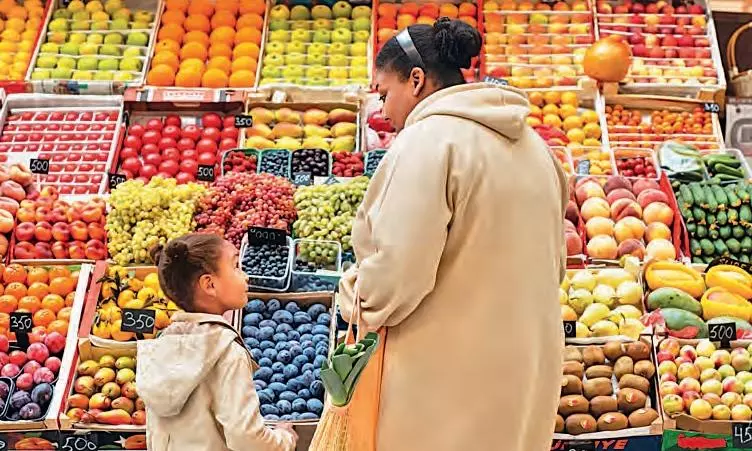
The seasons dictated the menu, and we ate in a quiet rhythm with nature.
Once upon a time, food arrived on our plates with a sense of occasion. Mangoes meant summer holidays and sticky fingers. Oranges announced winter mornings. Leafy greens followed the monsoon, and certain vegetables simply disappeared for months, only to return when the earth was ready. The seasons dictated the menu, and we ate in a quiet rhythm with nature.
Today, that rhythm has faded. Walk into any supermarket at any time of the year, and the shelves look largely the same. Mangoes sit in winter. Imported berries glow under bright lights year-round. Avocados and dragon fruits, once exotic, are now a daily breakfast staple for many urban households. Seasonal eating, once guided by climate and geography, has blurred into year-round availability. This transformation feels convenient, even luxurious. But behind the colourful displays lies a deeper story about farmers, prices, nutrition, and the environment. As food becomes seasonless, the true cost of this convenience is paid in ways we rarely see, with many unaware of how and where their favourite produce is grown.
When Seasons Ruled the Plate
For generations, eating seasonally was not a trend but a necessity. What grew locally determined what was cooked. Summers brought cooling fruits like watermelon and mangoes, winters offered citrus and root vegetables, and the monsoon delivered gourds and leafy greens. These patterns were no accident—they aligned with the body’s needs and the land’s natural cycles.
“Traditional diets evolved with climate,” explains agricultural expert Shraddha Kumari from Maharashtra. “Seasonal produce supported digestion, immunity, and energy levels throughout the year.” The calendar doubled as a nutrition guide, passed down through kitchens rather than textbooks. But as cities grew and consumer demand surged, waiting for a season began to feel outdated.
All-Year-Round Availability
The disappearance of seasonality did not happen overnight; it arrived gradually, driven by technology and global trade. Cold storage now preserves fruits for months, controlled-atmosphere warehouses slow down ripening, and greenhouses allow vegetables to grow beyond their natural climate. Chemical ripening ensures uniform colour and quick turnover.
Adding to this is the rise of imports—apples from New Zealand, kiwis from Chile, and blueberries from Peru travel thousands of kilometres to reach Indian markets. “Consumers expect consistency,” says a retail supply chain manager in Mumbai. “If something sells well, it has to be available all year.”
Farmers’ Seasonless Economy
For farmers, this shift has been double-edged. On one hand, it offers opportunities in export markets, off-season premiums, and higher incomes for those who can invest in modern infrastructure. Grape and pomegranate growers supplying global markets, for instance, have seen significant gains.
On the other side lies pressure. Off-season farming demands investment in irrigation, fertilizers, greenhouses, and storage. Small farmers often take loans or enter contracts that leave them vulnerable to price fluctuations.
“Earlier, we planned our year around one main harvest,” says farmer Shivaji Patil from Nashik. “Now the market wants produce constantly, but the risk is entirely ours.” Year-round availability often drives down peak-season prices. Mango growers, for example, now compete with stored, imported, or artificially ripened fruit, reducing the value of their natural harvest window.
The Price of Abundance
Abundance gives consumers the illusion of affordability, but the true cost of seasonless food is hidden in transport, refrigeration, packaging, and energy-intensive farming, making both imported and off-season produce expensive. “People think they’re paying for the fruit,” says Arya Joshi, an agricultural economist, “but they’re mostly paying for logistics.”
There is also more waste. Vendors discard produce that doesn’t meet cosmetic standards, and consumers reject fruits that don’t look perfect. The result is a paradox of abundance and loss.
Nutrition Out of Season
Winter mangoes may look like summer ones, but artificially ripened fruits often have lower nutrients. “Natural ripening allows vitamins and antioxidants to develop fully,” says nutritionist Reena Desai.
Seasonless eating reduces dietary diversity, pushing nutrient-rich traditional greens, millets, and indigenous fruits aside for familiar, market-friendly produce.
Consumer Forum
Consumers are divided. “I know seasonal food is better, but I buy what’s available. Life is busy,” says a Graphic Designer from Delhi. There is a growing counter-movement. Farmers’ markets, organic stores, and seasonal food calendars are gaining popularity. For some, seasonal eating has become an act of mindfulness. “Waiting for a fruit makes it special again,” says Neha Jethwa, a home cook in Ahmedabad.
The Environmental Price
Seasonless eating leaves a heavy environmental footprint—long-distance transport, cold storage, and energy-intensive greenhouses all add costs. “Local, seasonal food is almost always more sustainable,” says an environmental researcher.
Coming Full Circle
Once, seasons dictated our food; today, supermarket shelves do. But with climate concerns and strained food systems, seasonal eating is returning—not as a restriction, but as a choice. We stand at a crossroads—should convenience dictate our meals, or nature’s seasonal bounty for sustainable future?
Unseasonal Food Woes
The risks of eating out-of-season fruits include:
• Lower nutritional value
• Pesticide and chemical residues
• Artificial ripening agents
• Increased carbon footprint
• Negative impact on local farmers
• Non-sustainable farming practice
( Source : Deccan Chronicle )


Next Story