The Cheeseburger Effect On Local Dishes

When cuisines cross borders, they adapt to local ingredients and people’s tastes. From Japanese sushi to Indian curries and desserts, the gastronomic journey is truly intriguing.
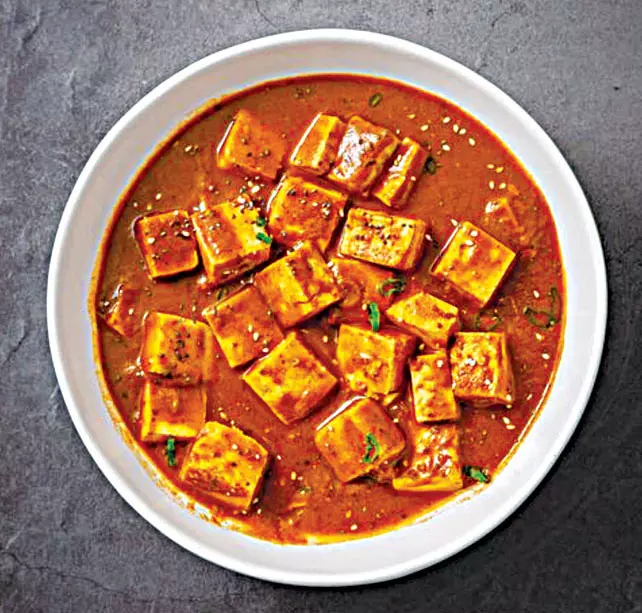
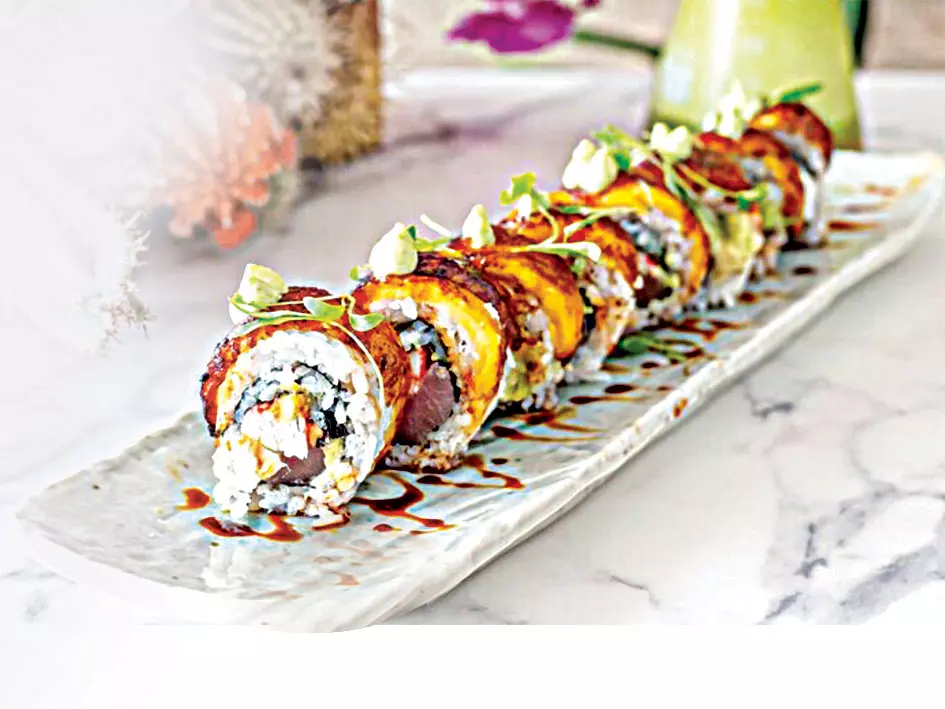

Food rarely stays exactly the same when it travels. Recipes migrate with people, restaurants adapt to local ingredients and chefs modify flavours to meet the expectations of unfamiliar diners. This process has produced an entire category of dishes that borrow from foreign culinary traditions while becoming something distinctly localised. From Japanese sushi to Indian curries and desserts, the cuisine adapts and evolves to suit local palates.
Japanese cuisine in America offers one of the clearest examples. From California rolls and teriyaki-style dishes to heavily customised ramen, sushi and Japanese-inspired bowls. The American restaurant culture has embraced Japanese flavours while frequently altering their ingredients, textures and presentation. The result raises a deceptively simple question: when does adaptation become something entirely different?
Appetite For Familiarity
For chefs, adaptation is often less about abandoning tradition and more about making an unfamiliar cuisine accessible. Ingredients may be substituted based on availability, flavours adjusted to suit local preferences and portions changed according to expectations.
Chef Siddharth of Mamagoto says the process can create a bridge between cultures. “I think chefs adapt traditional Japanese dishes for American tastes mainly to make the cuisine more approachable while still respecting its identity,” he says. “The goal shouldn't be to lose the Japanese character, but to create a bridge between tradition and the guest’s expectations.” That approach can be seen across Japanese-American menus, where familiar ingredients and bolder flavours are often combined with Japanese techniques or concepts. What emerges may not be traditional Japanese food, but it can still represent the way cuisine evolves when it enters a new cultural environment.
A Little Desi Touch
Indian food, too, has undergone significant transformations as it has travelled internationally, particularly in Western markets where chefs and restaurants have sometimes adjusted traditional flavours to appeal to local palates. Butter chicken, for instance, is often associated with a richer, sweeter and more intensely coloured gravy in some overseas versions than in preparations that prioritise its characteristic balance of tanginess, creaminess and spice. Mango lassi, traditionally a blend of mango, yoghurt and other ingredients depending on the recipe, can also be transformed into an extra-sweet, dessert-like drink. These adaptations are not necessarily representative of every restaurant or region, but they illustrate how the desire to make a dish familiar to a new audience can reshape its original flavour profile.
Chef Deepa Khanna points to this shift as an example of how Indian cuisine can lose some of its defining characteristics when adapted for American diners. “A lot of Indian cuisines lost the Indian touch because chefs wanted the taste of the food to be palatable to Americans, butter chicken went from tangy to sweet, it also went from mild orange to radioactive red for some reason too,” she says.
Adapt & Reinvent
The distinction between interpretation and losing a dish's identity, however, can be difficult to define. Chef Amit Dhoundhiyal, Corporate Chef at Kofuku Japanese & Oriental Restaurants, argues that adaptation becomes problematic when it abandons the principles behind the original dish. “Food naturally evolves as it travels across borders. There is nothing wrong with creative adaptation as long as it is approached with an understanding of and respect for the cuisine’s origins.”
For Japanese cuisine, he points specifically to ingredient quality, seasonality, balance, technique and precision as principles that should remain central, even when a dish is reinterpreted. Siddharth emphasis on intent and understanding. Changing a protein or incorporating a local ingredient can remain a creative interpretation. But when seasoning, technique, texture, presentation and cultural context are altered extensively, then you’ve moved beyond interpretation into something else.
Food For Thought
The American tendency to reshape foreign food is not unique to Japanese cuisine. It reflects a broader restaurant culture in which unfamiliar traditions are frequently translated into flavours, formats and ingredients that local diners recognise.
The “Cheeseburger Effect” is therefore less about declaring one version authentic and another fake, and more about understanding how food changes when it crosses borders. A California roll may not tell the entire story of Japanese cuisine, just as an Americanised butter chicken cannot represent the full range of Indian culinary traditions. The two can coexist — but they do not necessarily tell the same culinary story.
Food naturally evolves as it travels across borders.”
— Chef Amit Dhoundhiyal, Corporate Chef, Kofuku Japanese & Oriental Restaurants