The Big-Budget Trap: Why Even Blockbusters Are Losing Money

For years, the film industry survived on a comfortable financial cushion. Films once recovered a large chunk of their costs through OTT, satellite, music and overseas rights even before release. That safety net is rapidly shrinking. With OTT spending down and BO returns uncertain, even big-budget star vehicles are struggling to recover costs
The movie business is in serious trouble, not even the biggest projects are making back their investment. The OTT is no longer paying hefty amounts. In fact, the major platforms have cut the budget for the acquisition of theatre-released films by half. Also, the producers' negotiating power is severely curtained now, as the major OTT players are in touch with one another about the price being negotiated by producers. So a producer can’t go to Netflix and say Amazon is offering me X amount, to raise his negotiating power: Amazon and Netflix are in touch on the acquisition issue. They know.
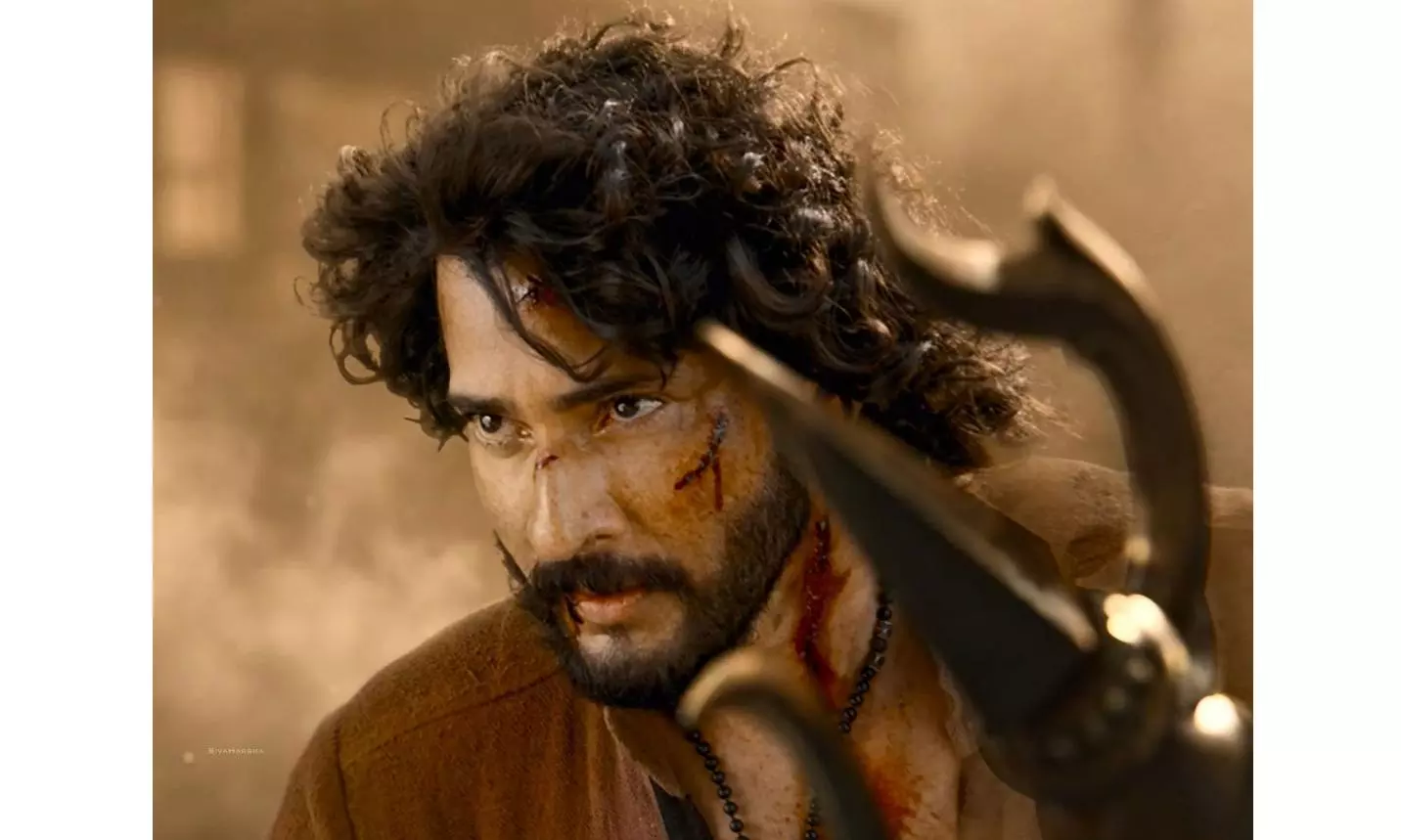
Keeping in mind the bleak budgetary scenario, S S Rajamouli’s Rs 1200-1400 crore budget for Varanasi and Nitesh Tiwari’s Rs 4,000 crore alleged budget for Ramayana would seem impossible to recover. Producer Shobu Yarlagadda believes budget management has become critical. “We are more than in the past dependent on theatrical box office performance to make profits.
There is no easy answer, but more than ever we need to focus on quality scripts and stories which are best experienced in theatres and as a communal viewing experience. Also, we need to control and limit budgets, especially on what’s not seen on the screen. Profit-sharing in the back end with lead talent should also be considered to limit budgets. OTT deals are happening for films, but values have corrected significantly.”
Course correction needed
Producer Deepak Mukut feels the solution is not to abandon big-budget filmmaking but to rethink its business model. “We need to rethink how films are financed, marketed and monetised. Audiences today are far more selective. Going forward, big films need stronger storytelling, tighter budgets relative to expected revenue, global appeal, strategic franchise building and clear theatrical revenue targets. The industry may also need to move away from the mindset that scale alone guarantees success. Spectacle can attract attention, but only compelling content creates sustained audience demand. The winners will be those who balance ambition with financial discipline and create genuine event cinema that audiences feel is worth leaving their homes to experience.”
Producer-director Hansal Mehta sees the current situation as a market correction rather than a catastrophe. “Markets correct. So must we. This isn’t a collapse — it’s the business breathing. OTT paid a premium for a few years and we built our budgets on it. Now it pays closer to real worth. That’s a correction, not a crisis. A high-budget film still works. It just has to earn its size. The scale has to be on the screen. So we recalibrate, make the recovery realistic and keep making the big films. Because somebody has to. The show must go on. We just have to be smarter about what it costs to raise the curtain.”
Work towards financial discipline
Trade analyst Taran Adarsh points to changing audience behaviour and the collapse of the old revenue model. “The traditional big-budget Hindi film model was built on multiple revenue streams: theatrical, satellite, music, overseas and OTT. For years, even before a film hit theatres, a substantial portion of the investment had already been recovered through pre-sales. Today, theatrical business has become increasingly unpredictable, with audiences willing to spend only on films that offer a genuine event experience. Equally important, the non-theatrical market has changed its approach. OTT platforms are no longer rushing into acquisition deals; instead, they prefer to wait and assess a film’s theatrical performance before committing to significant payouts. Music rights and overseas theatrical revenue alone cannot bridge the widening gap.”
According to Adarsh, the industry urgently needs greater financial discipline. “Starting with actor remunerations and overall production costs, producers must also think beyond metros and avoid catering exclusively to metro-centric sensibilities, keeping the wider theatrical audience in mind. At the same time, the industry needs to rebuild the mid-budget segment. Not every film needs to be mounted on a gigantic scale. A healthy film ecosystem requires a balanced slate of small, mid-sized and big-budget films. Importantly, the release calendar needs a serious rethink. Avoid unnecessary clashes. Avoid crowding the market with multiple releases every week. Giving films adequate breathing space can significantly improve their chances at the box office. Cinema has always thrived when storytelling and commerce move hand in hand.”
Why numbers are causing anxiety
· Varanasi carries a reported budget of Rs 1,200–1,400 crore.
· Early financial models reportedly expected digital streaming platforms to contribute Rs 500–600 crore through OTT rights.
· Rising budgets leave little room for underperformance.
· Ramayana’s reported Rs 4,000-crore cost (for two films) makes it Indian cinema’s biggest financial gamble.
· Both projects depend heavily on theatrical, satellite and digital revenues for recovery.
How will Varanasi, Ramayana even break even?
The upcoming mythological epic S. S. Rajamouli’s Varanasi, is being jointly produced by the production companies Sri Durga Arts (spearheaded by K. L. Narayana) and Showing Business (spearheaded by S. S. Karthikeya). The movie is estimated to have a mammoth budget ranging from Rs 1,200-1,400 crore, making it one of the most expensive Indian films ever made. Recovery of the investment would be hard since the OTT rights have yet to be sold and theatrical profits would have to crosss the Rs 1,000 crore mark to break even.
As for Ramayana, if as the producer says, it’s budgeted at Rs 4,000 crores, then the recovery of investments is next to impossible. The upcoming two-part mythological epic film is produced by Namit Malhotra under his banners Prime Focus Studios and the Oscar-winning VFX company DNEG. The combined budget for both parts of the film is approximately Rs 4,000 crore, making it the most expensive Indian film ever made.
