
The Indian Army has swapped colonial legacy for tradition, redefining military style off the battlefield. Its new dress code blends heritage with functionality
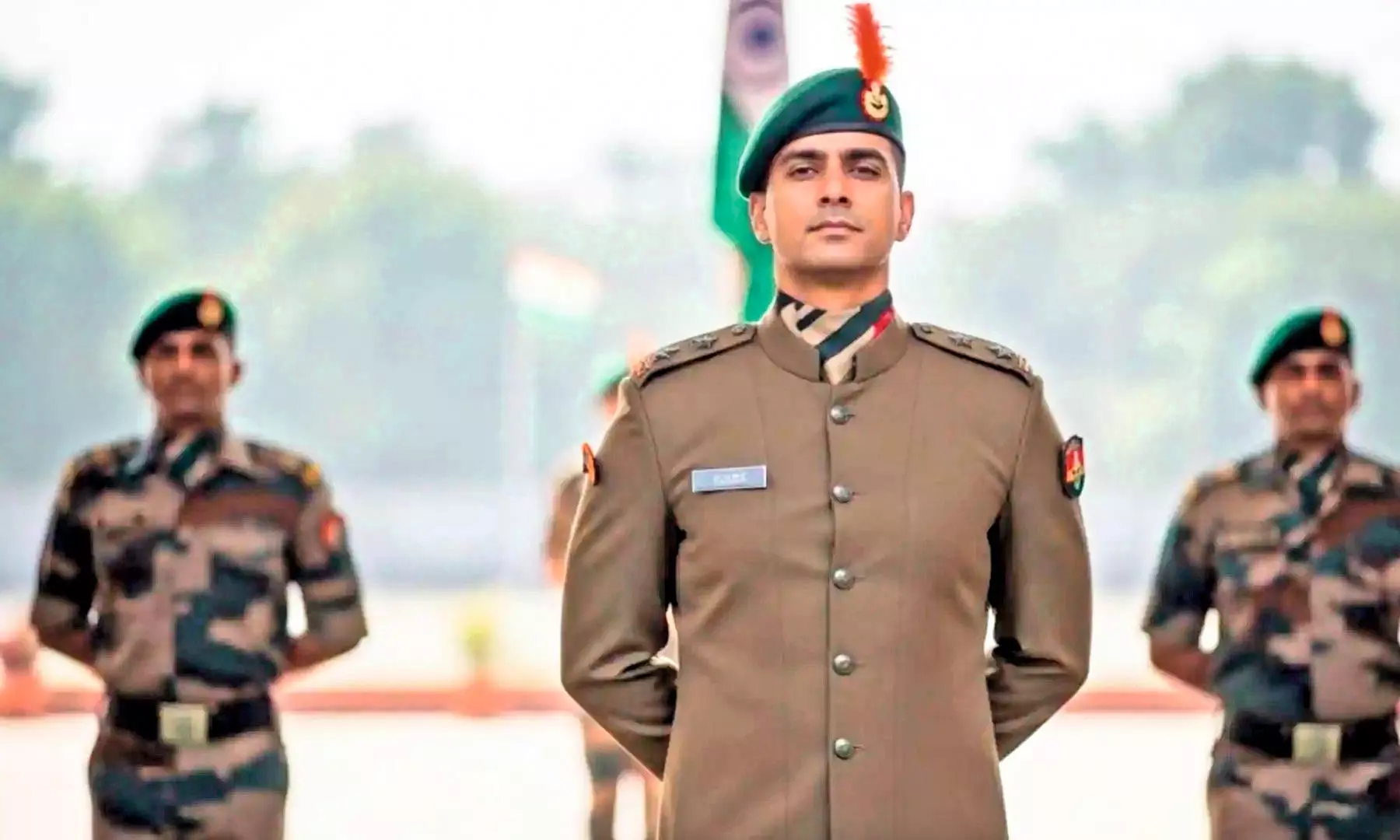
Camouflage patterns have ruled battlefields for decades. Now a new pattern has entered the ranks — the bandi jacket and beret are part of the Indian Army’s new dress code.
The Indian Army has released a new 174-page manual, Army Uniforms-2026, marking its first major overhaul of dress regulations in eight years. For the first time, officers are permitted to wear a closed-neck bandi jacket as part of their formal civil attire. The Army has also introduced a new winter dress, designated 3B, for all ranks. It comprises an angola shirt, battle jacket and beret.
Think of it this way: you wouldn’t wear gym gear to a client pitch. Soldiers shouldn’t wear camo to a tri-service briefing. Armies use service dress for exactly that reason. The Indian version was either too colonial or had too much of a combat vibe. The bandi fixes it. It’s the uniform equivalent of a blazer — it speaks formality without killing mobility.
Why bandi jackets now? To go desi in formal dress. The 2026 Army uniform code ditches British-era customs and adds this indigenous staple for officers.
Militaries worldwide weave heritage into kit — the French képi, the American cavalry Stetson, India’s own pagri traditions. In that context, the bandi is a natural extension. It formalises culturally rooted symbolism. The Nehru jacket was never just style, it bowed to climate and mobility. The Army’s bandi uses the same logic: sleeveless for Indian heat. Other changes matter too, like removing the pouch belt, making sword carriage optional and retiring colonial-era terms like ‘Royal.’
The one update has secured three wins — decolonise the wardrobe, modernise the silhouette, leave combat readiness untouched.
Economy meets (desi) style
Best of both worlds
Stand collars project discipline. Like military tunics worldwide, the bandi gives soldiers a smart, upright look, while the beret reinforces a distinct identity.
Abrol has more options to suggest. “The bandi isn’t the only answer. A well-cut military bush jacket or service jacket beats it on function — pockets, structure, climate range. With modern fabrics, lighter builds, better venting and wrinkle-resistant weaves, it can run longer and look sharper than khadi nostalgia. Bring Indian identity through the collar, the closure, the lining. The uniform of a 2026 army can’t be a museum piece. A foreign observer shouldn’t see a country recreating 1947. They should see a country prototyping 2047.”
Borrowing a pattern from the Army
Meanwhile, Fashion analyst Sneha Yadav says, “Mill-made fabrics offer the consistency, resilience and performance standards military applications demand. And this move will influence civilian fashion.” For years, civilian trends borrowed from Western armies — bombers, cargos, M-65s. The bandi is already a staple of wedding and office wear. Expect brands to push ‘regimental cuts,’ olive khadi and utility bandis with MOLLE webbing or hidden pockets. The Army version strips the brocade and adds ripstop, matte buttons, epaulette tabs. That makes it office-to-evening without looking delicate. If the Army codes the bandi as strong, not just ceremonial, designers can push it harder in women’s wear — cropped, oversized, belted versions in combat green.