
Many healthy women are obsessed with their reproductive health, constantly tracking ovulation, hormone levels, taking fertility supplements and even considering egg freezing.
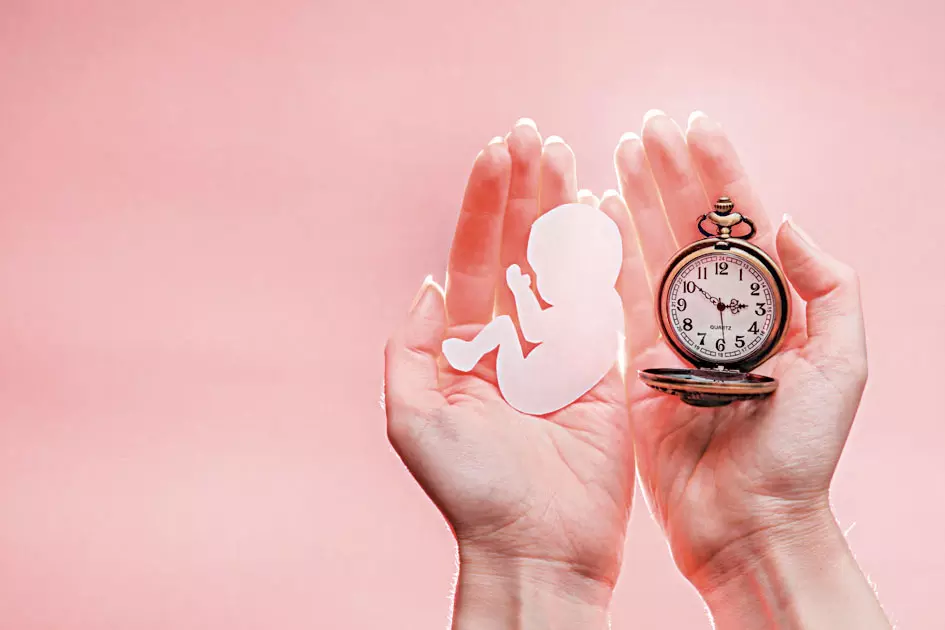
Once having children used to bring joy to families, and make one feel complete in their marital life. Today, there is another side to this growing awareness: the pressure to constantly monitor, measure and “optimise” fertility. Women are learning more about their reproductive health but at the same time reading about ovarian reserve, tracking ovulation, checking hormone levels, taking fertility supplements and even considering egg freezing years before they plan to start a family.
Awareness Becomes Anxiety
On the surface this could be a positive change but an alarming side to this is the surge in women flocking to the doctor's office who have regular periods, have no symptoms of infertility, and are perfectly healthy—- be worried that they might be “running out of time.” “Fertility shouldn’t be a wellness metric or a performance score,” says Dr Snehal Kohale, Gynaecologist and Fertility-IVF Expert at Ova Fertility and Women Care, Mumbai. She says she increasingly sees healthy women in their late 20s and early 30s seeking extensive hormone tests and fertility supplements after being influenced by social media. The problem is when fertility awareness turns into constant surveillance.
There are many reasons why fertility has become under the spotlight. Social media has given access to aspiring mothers, which can encourage them to know more about their body and reproductive health etc.
“Fertility awareness provides women with the tools to make educated choices regarding their future,” says Dr Manisha Singh, Additional Director – Gynaecologist and Sub-specialist in Reproductive Medicine & Surgery at Fortis Hospital, Bannerghatta Road, Bengaluru. However, fertility awareness should be about giving women the right information, not scaring them.
A Worry Word
AMH has become a popular word, if you haven’t come across it— Anti-Müllerian Hormone is a useful hormone which provides doctors with an estimate related to the number of eggs remaining in the ovaries. It can also help doctors assess how the ovaries might respond to certain fertility treatments.
“AMH does not measure a woman’s fertility itself,” explains Dr Sowmya K N, Consultant – Obstetrician & Gynaecologist at Gleneagles BGS Hospital. Getting a low AMH does not mean that you are not fertile, but can mean that women can conceive naturally. Similarly, a normal AMH test does not guarantee that she will become pregnant easily. The result also cannot predict exactly when a woman will become pregnant or when menopause will begin.
Dr Singh says AMH should be interpreted alongside factors such as a woman’s age, medical history, menstrual pattern, ultrasound findings and other clinical information. Looking at one number in isolation can therefore give a misleading picture.
This is where social media can make things worse. A woman may see someone online describing a particular AMH number as “good” or “bad” and immediately compare it with her own result.
The number becomes a score and suddenly, something intended to provide information becomes a source of anxiety. There is an unspoken ecosystem that has been created by the internet culture where every woman is fixated on supplements and routines that claim to “balance hormones” or improve fertility. (See box) “There is very little scientific evidence to support these claims and trends,” says Dr Sowmya.
Overall Wellbeing Matters
A balanced diet, regular physical activity, adequate sleep and maintaining a healthy weight can contribute to overall health and reproductive wellbeing. Avoiding smoking and excessive alcohol and managing conditions such as diabetes, thyroid disorders, PCOS and endometriosis are also important. The distinction is between supporting general health and believing that a particular food or supplement can dramatically change ovarian reserve or reverse age-related changes in egg quality. “There is no food, supplement or wellness routine that can significantly improve one’s ovarian reserve or reverse the natural decline in fertility with age,” says Dr Sowmya.
The Fertility Fixation
This does not mean that fertility testing has no place. It just means that an individual must be guided by their own thoughts and not one of someone online. A healthy woman with regular menstrual cycles and no fertility concerns does not necessarily need to undergo a battery of fertility tests simply because she has reached a particular age.
Dr Renu Malik, Director and Senior Gynecologist at Malik Radix Healthcare, says “The growing interest in reproductive health reflects changing attitudes towards delayed parenthood and better access to fertility information.” However, she emphasises that tests such as AMH have specific clinical uses and should not become routine measures of future fertility without a medical reason.
“Following these fertility trends like tracking your fertile dates can also create unnecessary anxiety,” says Dr Sowmya. “Fertility cannot be judged with a single blood test or app.”
Fertility vigilance is what happens when that awareness becomes obsessive: constantly checking ovulation, repeatedly testing hormones, comparing AMH results, taking multiple supplements and interpreting every menstrual change as a possible warning sign. Sometimes, being informed simply means knowing when to stop scrolling and speak to a doctor.
Too Many Misconceptions
• Seed cycling is one example of this. It involves eating different seeds, such as flax, pumpkin, sesame and sunflower seeds, during different phases of the menstrual cycle, based on the belief that they can influence hormones and improve fertility.
• Some believe applying vinegar to your private parts can guarantee that you will have a boy.
• Hormone-balancing diets, fertility teas, detox plans relay promises that can lead you to your feminine energy.
Healthy women in their late 20s and early 30s are seeking extensive hormone tests and fertility supplements after being influenced by social media.”
— Dr. Snehal Kohale, Gynaecologist and Fertility-IVF Expert
Anti-Müllerian Hormone (AMH) does not measure a woman’s fertility itself.”
— Dr. Sowmya K N, Consultant – Obstetrician & Gynaecologist