Silent Pandemic: Rising Low Back Pain Crisis

India’s fast-paced city life is taking a physical toll. Orthopaedic specialists are witnessing a sharp rise in low back pain among people under 40, driven by desk-bound routines, poor posture and chronic inactivity
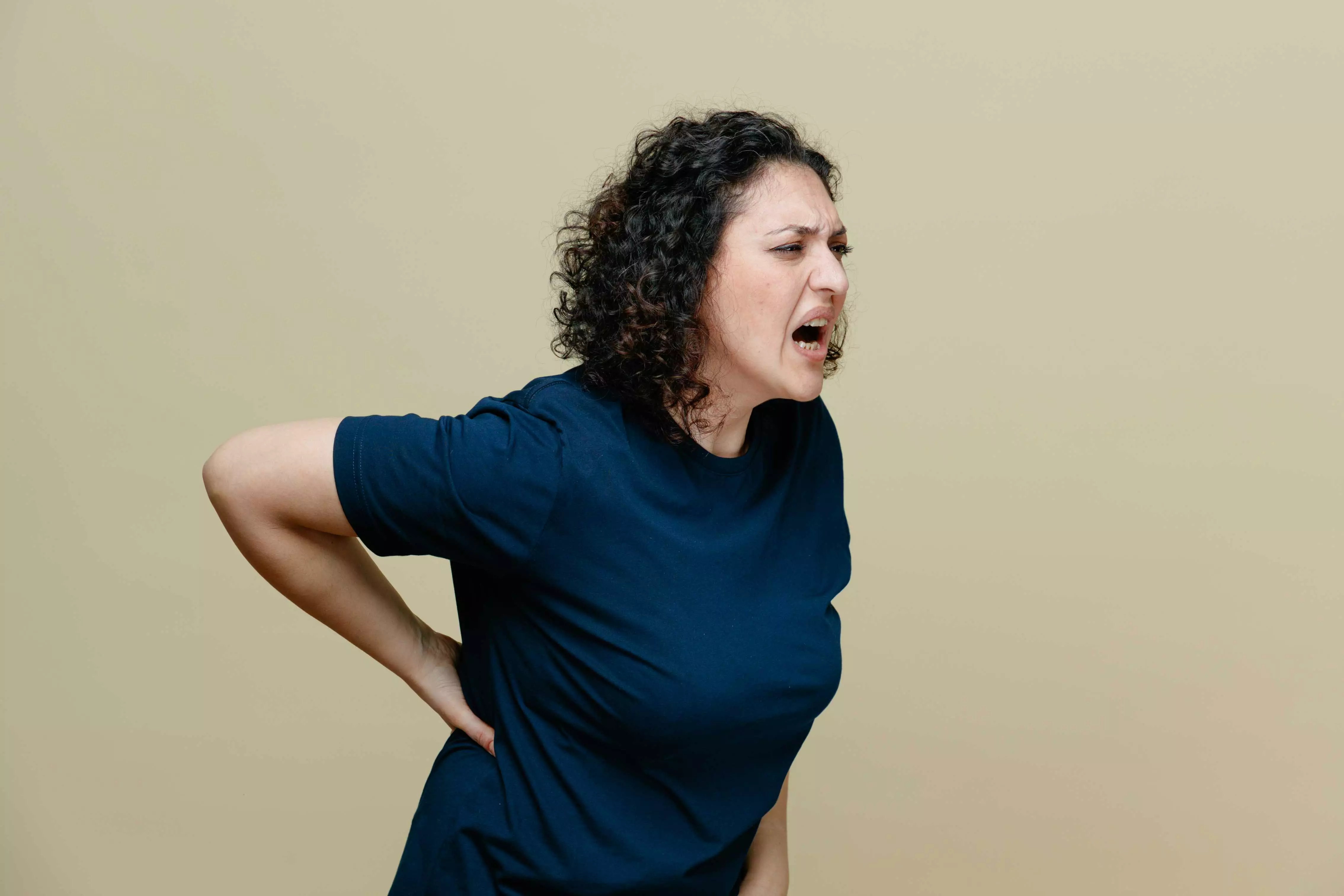
What was once dismissed as a routine ache after a long workday is now emerging as a full-blown urban health concern. Across India’s cities, including Hyderabad, doctors are calling low back pain a “silent pandemic,” citing a sharp surge in cases among working professionals in their 20s to 40s.
According to Dr Kaushik Reddy, Consultant Orthopaedics and Sports Medicine Specialist at Apollo Hospitals, the spike is directly linked to modern work culture. “Sedentary lifestyle, prolonged desk hours, poor posture, stress and lack of exercise are driving this surge,” he says. “We are increasingly seeing younger patients with early disc degeneration and posture-related spinal strain.” Patients commonly report persistent stiffness, radiating leg pain and numbness — symptoms often associated with lumbar spine stress or nerve compression. What begins as occasional discomfort can, if ignored, progress into chronic disability and reduced productivity. “Back pain is not a minor inconvenience, it is a warning sign,” Dr Reddy cautions. “Early intervention can prevent long-term damage.”
Lifestyle at the core of the crisis
With urban professionals spending nearly 8–10 hours a day seated, the human spine — designed for movement — is under constant strain. Long commutes, inadequate ergonomic workstations and blurred work-from-home boundaries are compounding the problem.
Echoing this concern, Dr Manoj Kumar Gudluru, Senior Orthopaedic and Spine Surgeon at MGM Medical Center, notes a dramatic shift in patient demographics.
“Ten years ago, degenerative spine issues were largely seen in those above 45. Today, even patients in their late 20s present with disc bulges and muscle imbalances caused by prolonged sitting and gadget use,” he observes.
He explains that when individuals sit for extended periods without breaks, particularly with poor posture, pressure on lumbar discs increases significantly. Weak core muscles and rising obesity further intensify spinal stress.
Prevention over cure
Both specialists stress that low back pain is largely preventable.
“Regular stretching, strengthening of back and core muscles, ergonomic corrections and maintaining ideal body weight can significantly reduce risk,” says Dr Reddy. Simple changes — sitting upright, avoiding slouching, using lumbar support and taking short movement breaks every 30 to 45 minutes — can make a measurable difference.
Dr Gudluru adds that early medical evaluation is critical. “Many people self-medicate or ignore symptoms until they worsen. Timely physiotherapy, posture correction and structured exercise programmes can reverse most early-stage problems without surgery.”
Hydration, adequate Vitamin D levels and guided core training also play an important role in spinal resilience.
When to seek help
“Persistent pain radiating to the legs, numbness, tingling sensations or weakness should never be overlooked,” warns Dr Kaushik Reddy. “These are red-flag symptoms that may indicate nerve compression and require advanced imaging and specialist evaluation.” Treatment, he explains, depends entirely on severity. “The majority of patients respond very well to conservative management — including physiotherapy, anti-inflammatory medication and structured rehabilitation programmes. In cases where pain persists, targeted pain management injections may be advised. Surgery is reserved only for severe disc prolapse or significant nerve compression that does not improve with non-surgical care.”
Movement is medicine
As India’s cities modernise and screen time continues to climb, orthopaedic specialists are sending a clear message: movement is essential, not optional. Calling it a preventable epidemic, Dr Gudluru concludes, “Back pain in young professionals is not inevitable. With awareness and disciplined lifestyle changes, we can significantly reduce its impact.”
In an era defined by desks and devices, the simplest prescription may also be the most powerful, stand up, stretch, and move.
