‘Shape of Momos Is a Story I Felt Compelled To Tell’

Sikkimese director Tibeny Rai discusses her maiden film
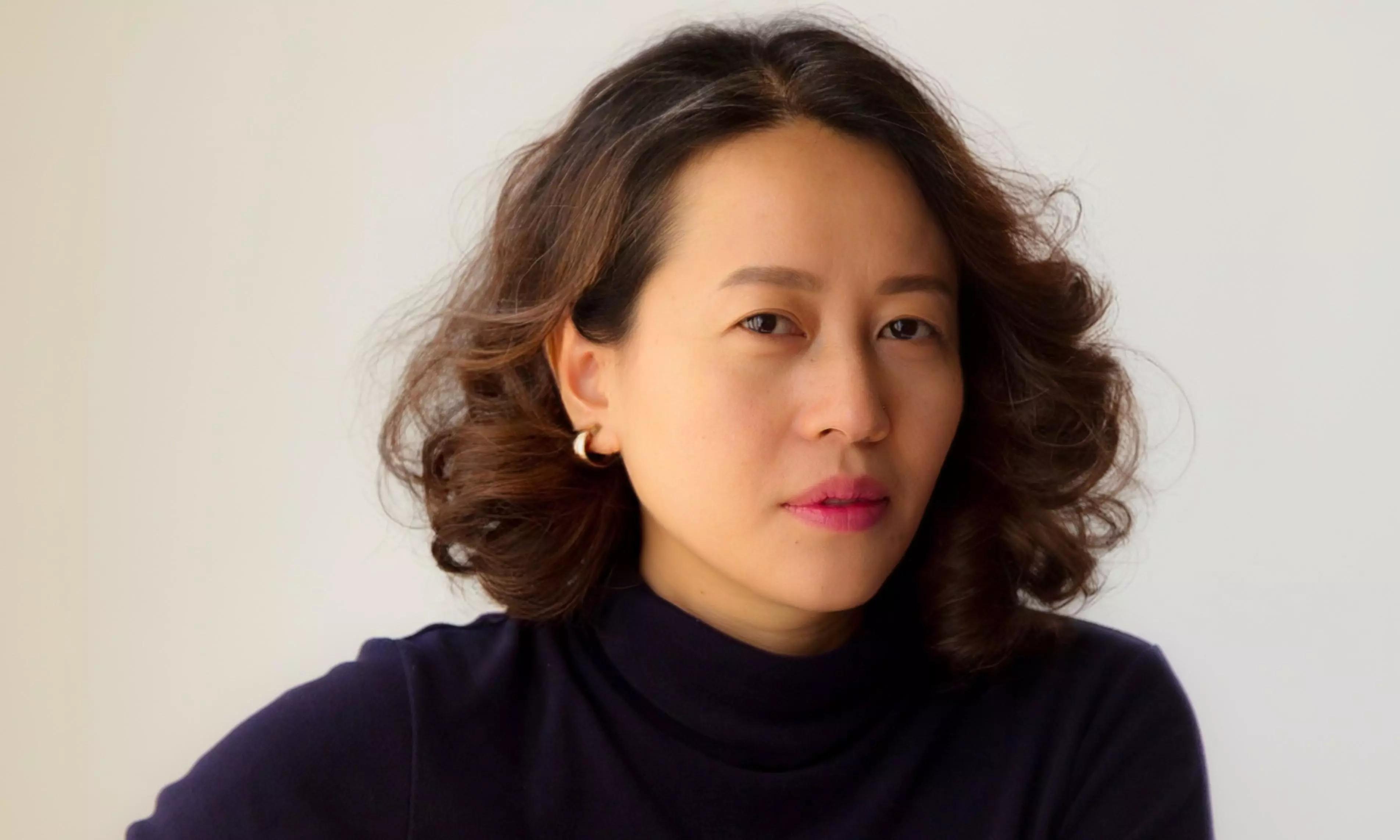
Tibeny Rai from Sikkim is being hailed as the new distinct voice of Asian cinema, on the back of her debut directorial, Shape Of Momos, the story of a family of women in Sikkim struggling to find their voices.
In a candid chat, the 27-year-old filmmaker shares that she has drawn from her own experiences in the film. “My responsibility was simply to be honest to those realities and to the characters.”
The narrative is deceptively quiet and unassuming. Rai believes cinema can be powerful without being loud. “Rather than trying to make statements, I wanted to create space for people to inhabit these lives and draw their own conclusions. There was a story I felt compelled to tell, and my approach was to tell it as truthfully and as simply as I could. If the film feels unforced, I consider that one of the greatest compliments it can receive.”
She clarifies that though the film is based on her own life, she does not directly draw from it. “There isn’t a single character in the film who is me, nor did the events happen exactly as they do in the story. But emotionally, the film is deeply personal. I grew up in a house full of women, and many of the questions the film grapples with came from observing the ordinary details of everyday life.”
Rai names Satyajit Ray and Yasujiro Ozu as inspirations. “Growing up, I watched a lot of Hindi films that were telecast on Doordarshan. Later, I discovered the films of Guru Dutt, which left a deep impression on me. At the moment, I really admire the complexities that Turkish filmmaker Nuri Bilge Ceylan explores in his films.”
Talking of the challenges of making a film in Sikkim, Tibeny says, “It was challenging. In Sikkim and the Himalayan region, we don’t have a well-established film industry, so funding, infrastructure, and distribution opportunities are limited. At the same time, that can be liberating. There are fewer expectations about what stories should be told, which gave me the freedom to make the film on my own terms. The biggest challenge was simply staying committed to the project over a long period of time and believing in the story.”
