Be it white, brown, red, or black grains, rice is a kitchen staple and soul food across the world
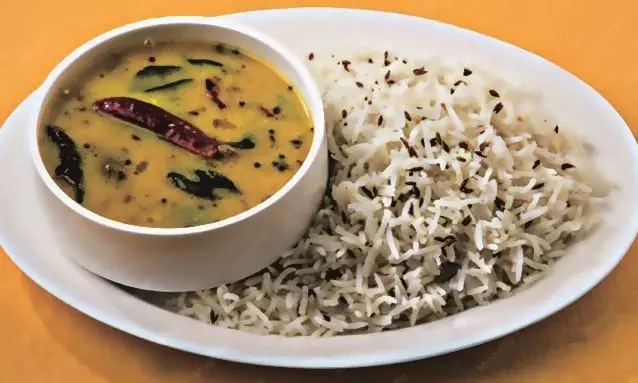
Rice feels like home everywhere — anchoring meals, festive spreads, and comfort bowls. Plain or spiced, it carries both simplicity and celebration. In India, rice is sacred: in puja, it embodies prosperity, fertility, and sustenance.
The Grain Of Truth
Steamed rice, biryani, kheer — rice bends to every recipe in Indian kitchens. “From Rajma Chawal and Dal Chawal in the North to Sambhar Rice, Lemon Rice, and Curd Rice in the South, it remains both staple and star. Its adaptability and affordability make it the backbone of countless meals. Pan-Indian and ageless, rice is eaten everywhere—from home kitchens to celebratory tables. It evokes familiarity and satisfaction, embodying nourishment and tradition in equal measure,” says Abhinav Rustagi, Executive Chef at The Connaught, New Delhi – IHCL SeleQtions.
Have A Rice Day
Regionally, rice defines the soul of Indian cooking. “Indrayani in Maharashtra, Matta in Kerala, and Joha in Assam each bring distinct aroma, grain, and character to traditional dishes. Their individuality preserves authenticity while reflecting cultural identity. By carrying flavour, texture, and heritage, indigenous rice enriches India’s diversity and keeps tradition alive in every bowl,” says Chef Rustagi.
Some Rice Staples
Perfect rice is about mastering the basics—rinsing until the water runs clear, measuring the right water-to-rice ratio, keeping the lid on, and letting it rest before fluffing.
“For long-grain rice like basmati, the goal is separation and lightness: use slightly less water, avoid stirring, and handle gently. For short-grain rice, higher starch content makes it naturally creamy and cohesive: add a bit more water, cook longer, and embrace the stickiness for dishes like risotto or sushi,” says Chef Anand Pandey from Vivanta Goa Miramar.
Use the absorption method — wash, soak, measure liquid, and rest for even moisture. “Long-grain needs gentle cooking to stay distinct. Short-grain, with more starch, benefits from extra moisture and stirring, yielding khichdi, or sushi-style bowls,” adds Chef Madhusudhana Marupilli from Gateway Goa Palolem.
Classic Comfort Food
Brown, red, and black grains draw diners with their colour, texture, and story—yet tradition still calls for the timeless comfort of white rice when the dish demands it.
“In India, steamed rice with dal or curry remains the comfort food. Quinoa and millets may appeal to health-conscious diners, but they complement rather than replace rice. People explore wider grain choices, yet always return to rice for its familiar warmth and timeless appeal.” Adds Chef Pandey.
“Rice isn’t going anywhere—it’s woven into food memories from dal-chawal and curd rice to festive spreads. It carries a familiarity hard to replace. The future is about choosing the right grain for the right dish.” Chef Madhusudhana.
Variety, Method, Balance
Steaming or open boiling with drained water is best, yielding light kanji with less starch — good for diabetics and weight watchers. Pressure cooking is fine daily; it keeps nutrients but also starch. Avoid frying rice often with heavy oil.
“Polished grains digest fast with little fibre, while brown, red, and black rices retain bran, bringing fibre, B-vitamins, magnesium, and antioxidants. Black rice adds anthocyanin, the antioxidant in blueberries,” says Vidisha Parekh, Chief Dietician at Lilavati Hospital and Research Centre, Mumbai.
Healthy adults can eat 1–1.5 cups of rice per meal if balanced with dal, curd, vegetables, and protein. “Portion matters more than avoidance. Diabetics should skip sticky white and short-grain rice; choose brown, red, or Seeraga Samba.
A small basmati portion is fine occasionally. Always pair rice with legumes and vegetables—never eat it alone. A spoon of ghee lowers glycaemic load, aids digestion, and enhances taste. Don’t fear rice—choose right, watch portions, pair smart,” concludes Parekh.
Mesme-ricing Meals
Here are some soul-satisfying rice recipes
Burnt Garlic & Coconut Rice (Courtesy: Chef Anand Pandey from Vivanta Goa Miramar)
• 1½ cups basmati rice
• 1 cup coconut milk
• 1¼ cups water
• 8 cloves garlic
• 1 tbsp coconut oil
• 1 tsp grated ginger
• 1 green chilli
• 8 curry leaves
• 2 tbsp grated fresh coconut
• 1 tbsp lime juice
• Salt
For the vegetables
• 200 g mushrooms
• 200 g pumpkin
• 1 tbsp oil
• Salt and pepper
Method
1. Soak rice for 20 min, then drain. Heat 1 tsp oil; sauté ginger and green chilli. Add rice, toast lightly. Add coconut milk, water, and salt. Boil, cover, cook on low. Rest 10 min.
2. Toss pumpkin and mushrooms with oil, salt, pepper. Roast at 200°C for 2o min until charred.
3. Fry garlic till golden; add curry leaves and grated coconut briefly. Fluff rice, add in vegetables, lime juice, scatter garlic-coconut topping.
Jaggery Rice Pudding with Coconut Caramel (Courtesy: Chef Madhusudhana Marupilli, Gateway Goa Palolem)
• ½ cup short-grain rice
• 2 cups coconut milk
• 1 cup regular milk
• ½ cup grated jaggery
• ½ tsp cardamom powder
• ½ tsp vanilla
• Pinch of salt
• 1 tbsp ghee
Coconut Caramel
• ½ cup coconut cream
• 3 tbsp jaggery
• 1 tbsp butter
• Pinch of sea salt
Garnish
• 2 tbs cooked rice
• 1 tbsp sugar
• Toasted coconut flakes
Method
1. Soak rice for 20 minutes. Combine rice, coconut milk, and milk. Cook, stirring occasionally, until creamy.
2. Add jaggery, cardamom, vanilla, and salt. Cook 5 minutes more, then stir in ghee. The pudding should be loose and silky—it thickens as it cools.
3. For caramel, simmer coconut cream, jaggery, and ghee for 5 minutes until glossy. Finish with sea salt.
4. Garnish with caramelised sugar and top with crisp rice and toasted coconut.
Nasi Goreng (Courtesy Abhinav Rustagi, Exe. Chef at The Connaught, New Delhi - IHCL SeleQtions)
• Cooked rice – 3 cups
• Eggs – 2
• Garlic- 4 cloves
• Shallots – 4
• Red chilli 1
• Spring onions – 2 tbsp
• Sweet soy sauce – 2 tbsp
• Soy sauce – (kecap manis )2 tbsp
• 1 tbsp oil, salt & pepper
• Spice Paste
• Red chillies – 4
• Shallots – 5
• Garlic – 3 cloves
Method
1. Prepare the spice paste and set aside.
2. Heat 1 tbsp oil in a wok. Scramble the eggs lightly. Remove and set aside.
3. Add 1 tbsp oil; sauté the spice paste until the oil separates. Add cooked rice, break up clumps and stir-fry with the paste.
4. Season with soy sauce, salt & pepper. Cook for 2 minutes until evenly coated and slightly caramelised. Finish with spring onions, fried onions and adjust seasoning.