Rewinding the Past, Rewriting the Present

In a hyper-digital age, Gen-Z reimagines the past with an intent to reclaim the presence
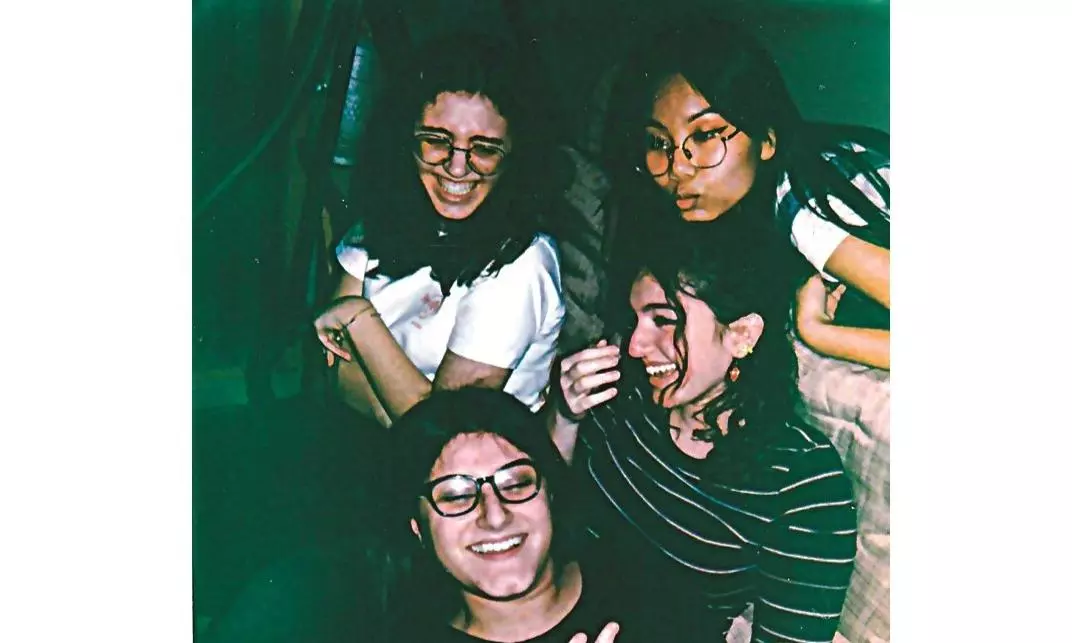
In today’s fast-paced world, where everything is just a tap away, Gen-Z is gravitating towards the “slow” charm. When Taylor Swift released vinyl editions of her albums, it became more than just a clever marketing gimmick. The audience's reaction to it signalled a shift in Gen-Z’s appetite for “old world charm.” Under the covers of nostalgia and retro, Gen-Z is living the past it never had. Many artists are now turning towards retro-themed formats to allure their audiences.
Handwritten Fan Mail
Just like vinyl records, there has also been a resurgence of handwritten letters. Many celebrities are responding to their fans through handwritten letters. These gestures instantly establish a personal connection and communication. Needless to say, how these handwritten letters and records have become artefacts of fandom.
Reena Agarwal, a sociologist, feels Gen-Z is driven by novel experiences. She explains, “This is a generation whose lives are based on experiences, something new and exclusive, and the past can be recreated in ways that make it unique for them”.
Things that were once ‘outdated’, are now the ‘in’ things. At the heart of this shift lies digital fatigue. Many youngsters are stepping back from the endless digital loop and turning towards retro aesthetics as a form of escape. Ruben Sharon (21), a horophile, says, "I have four old HMT wrist watches. You have to crank them up to adjust the date and time. They feel so real and personal, unlike today's digital watches.”
Young ‘Old’ Collectors
Kamya Ravi, a young digicam and vinyl record collector, says, “History is repeating itself. We’re trying to find a space of comfort and peace that we’ve never really experienced.” This shift in behavioural pattern is linked to comfort and stability in an uncertain world.
Walk into a Gen-Z safe space, and you will be greeted with handy cams, handwritten letters, cutting chai cups, analogue watches, and calculators, among other things.
Agarwal, describes the trend as “a transition”. She says, “Aesthetics are temporary and subjective. It is the cycle that makes an enriching society. These are the cultural shifts.” In choosing the slower and human practices, the generation is trying to break free of the automation that surrounds them. ‘Retro’ and ‘Nostalgia’ have become an online trend. The past is not just being admired but actively recreated. Social Media is amplifying the ‘retro’ lifestyle wave with Instagram and Snapchat.
Demand Meets Rediscovery
Apart from vinyls, handycams, and old sepia-toned school pictures have become new keepsakes. However, what appears to be a personal archive also happens to be a curated strategy, with brands packing and selling nostalgia to a generation eager to consume. The tags of “Limited Editions", “Vintage Styled” and “Retro Themed” are marketing an appeal alongside the commodity. “It's good that they are seeing the past, but they should be assisted in using that knowledge to move forward,” says Agarwal. In a world where Gen-Z is often criticised for their shrinking attention spans, these adaptations suggest an attempt to reclaim the focus. The curiosity to learn the unlived past reflects a deeper and critical understanding of one’s surroundings. It is an effort to make meaning amidst an abundance of information and borrowing pieces and fragments from past generations.
