Reviving The Forgotten Flavours Of Diwali

Home chefs are reviving long-forgotten traditional Diwali snacks right from champakali, farali chiwda, mohanthal, anaarse, farsi poori, to sunnundalu, gajak and methi kadboli, to name a few
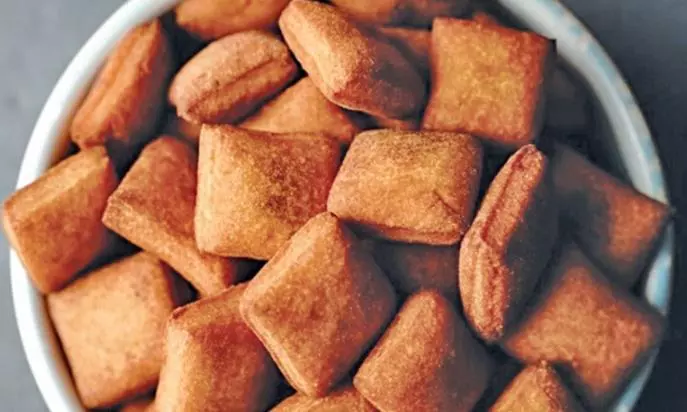
The aroma of ghee, the crunch of roasted poha, and the sizzle of oil in an iron kadhai for many Indian families, these sounds once signalled the arrival of Diwali. But over the years, as shiny gift boxes of imported chocolates, glazed cupcakes, and factory-made barfis have taken over store shelves, something vital has been lost: the homemade essence of the festival.
Today, amid the glitter of commercialisation, a quiet revolution is taking place in kitchens across India. A new generation of home chefs is reviving the forgotten traditional snacks that once defined Diwali celebrations, poha chiwda, chirote, farsi poori, anarse, sunnundalu, gajak, and dozens more. Their mission is not just culinary but cultural, to reconnect people with the smells, textures, and memories of their childhood Diwalis.
Bites of Nostalgia
“In our childhood, Diwali started at least two weeks before,” smiles Nalini Damodar, (48), a home chef from Pune. “Every day, we would make one snack, first chiwda, then shankarpali, then anarse. The kitchen would smell of roasted flour and melted jaggery. Now, people just buy everything in one trip to the supermarket.”
Nalini runs a small home-based business where she sells old Maharashtrian snacks like chiwda, coconut-jaggery karanjis, and anarsee. She started it after realizing that her daughter didn’t even know what anarsee was. “It broke my heart,” she says. “How can we call it Diwali if our children don’t even know these traditional flavours?”
Immeasurable Food Legacy
Most of these recipes were never written down. They were simply passed down from one generation to the next merely by watching, cooking together and tasting the labour of love. “My grandmother never used measuring cups,” says Arpita Lad, a home chef from Junagadh. “She would just take a handful of this, a pinch of that. I had to learn by feeling the dough and smelling the spices.”
Arpita now shares traditional snacks like farsi poori, mathiya, and chirote in her area, where she has gathered a small but loyal audience.
Old Snacks, New Challenges
Bringing back these recipes is not easy. “Even finding the right ingredients feels like a treasure hunt now,” Arpita laughs. “You have to visit three shops before you get it.”
Time has become the rarest ingredient of all. “Making Pootharekulu takes patience,” says Nisha Mudiraja, a homemaker from Hyderabad. “You can’t rush it. But today, everyone wants quick results. Microwave culture has killed slow cooking.” Still, people are curious. “Once they taste it, they realise how much flavour they were missing,” Nisha smiles. “It’s not just food, it’s emotion.”
Food For Thought
Ask anyone who grew up before the 90s, and they’ll tell you the best part of Diwali wasn’t firecrackers, chocolate boxes or gifts. It was the exchange of homemade sweets and snack plates (faral thali) with your neighbours and loved ones. “As soon as Amma laid those haldi leaves on the steamer, the air turned festive. The fragrance of manjal ire da gatti (Rice and Coconut dumpling wrapped in Turmeric leaves) was our childhood’s way of saying Diwali has begun,” says Sumitra Pujari from Karnataka.
“My mother would pack dabbas for all our neighbours,” remembers Sakshi Amte, now living in Mumbai. “We kids would sneak into the kitchen, grab a handful of chiwda and run. That taste, it’s still unmatched.”
This nostalgia is exactly what home chefs are trying to bring back. It’s not about rejecting modern sweets. It’s about remembering that Diwali used to be a festival of making, not buying.
Revival On A Plate
Food scholars note that traditional Diwali snacks are deeply tied to India’s regional identity. Each state has its own festive platter, explains a 2025 study on Indian festival foods. In Maharashtra, there’s chiwda and anarse. In Gujarat, farsi poori and kachri are famous. While in Andhra, sunnundalu (made from urad dal and ghee) is cooked during Diwali, Pongal, Sankranti, and Sri Rama Navami.
These aren’t just snacks, they’re edible history. Researchers argue that the fading of these recipes is not just a culinary loss but a cultural one. “They need to be passed down from one generation to the next. Otherwise, traditional recipes disappear once the older generation passes away,” says Kavi Khotwani, a food connoisseur cum home chef.
Healthier & Homemade
Nutritionists are also rooting for this revival. Traditional snacks, they say, are far healthier than the store-bought ones. “Most of these are made from simple, natural ingredients, jaggery, flours, ghee, seeds, and spices,” says Snehal Yewale, a Mumbai-based health coach. “They give energy, keep you full, and don’t overload your body with chemicals or refined sugar.”
She adds, “If we go back to these recipes, we’ll not only eat better but also eat more mindfully. Diwali was never meant to be about overeating. It was about sharing good food made with love.”
Social Media Buzz
In a surprising twist, modern platforms like Instagram and YouTube are helping bring these old Diwali snacks back to life. Short videos show young chefs learning from their mothers and grandmothers, folding chirote, frying karanji, or carefully packing laddoos. Viewers can’t help but respond with memories: “This takes me straight to my nani’s kitchen” or “The aroma itself is a trip down memory lane.”
The revival doesn’t stop online. Pop-up stalls, workshops, and curated Diwali snack boxes featuring traditional regional treats are returning to festive tables. Slowly, these snacks are finding their way back into kitchens, reconnecting families with the flavours, stories, and warmth of Diwalis gone by, proving that tradition and modern life can coexist.
Sharing Is Caring
This Diwali, Nalini from Pune is planning something special. She’s teaching a group of school children how to make rava laddoos. “They think Diwali means chocolate boxes,” she says. “Wait till they taste this. They’ll remember it for life.” As she mixes the ingredients, her hands move with memory. “When I make these snacks,” she says softly, “It feels like my mother is beside me.”
In that moment, you realize reviving these forgotten Diwali snacks isn’t just about food. It’s about reconnecting generations, retelling stories, and bringing back the soul of the festival. And as more and more home chefs light their stoves instead of shopping carts, the old flavours of Diwali are finding their way back home. Every morsel, laden with the richness of India’s diverse culinary skills and the satisfaction of homemade food.
