Ramayana’s Trailer Exposes VFX Flaws

A 4,000-crore ambition comes with equally monumental expectations. But the first English-dubbed trailer of Nitesh Tiwari’s Ramayana: Rise Of A Legend has left sections of the online audience underwhelmed, with the visual effects, background score and English voice work all coming under scrutiny
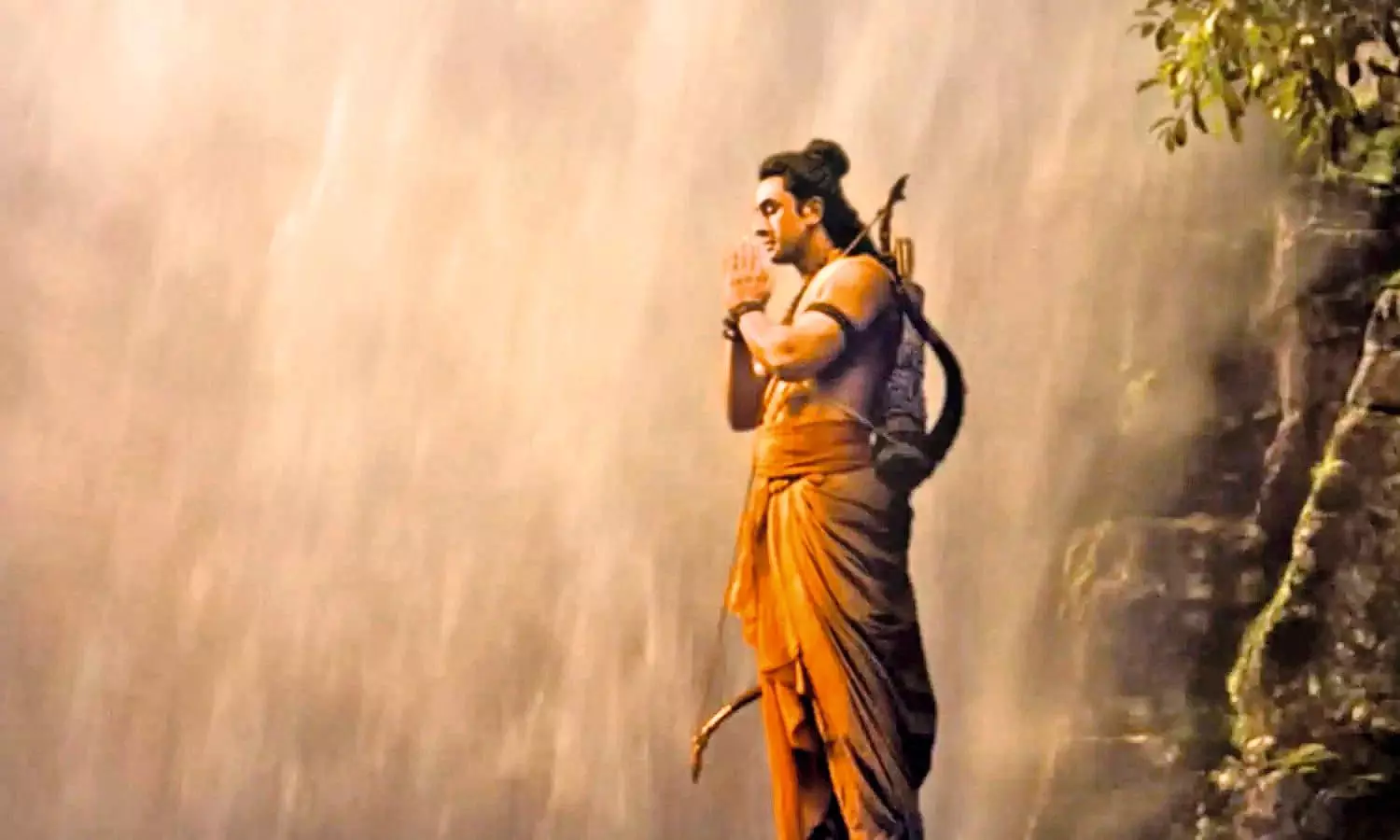
When you set out to bring one of India’s greatest epics to the big screen on an unprecedented scale, expectations are bound to be sky-high. The first English-dubbed trailer of much-anticipated Ramayana: Rise Of A Legend, released on October 15, has, however, prompted a fair amount of scepticism online. Much of the criticism centres on the visual effects. For a film reportedly being mounted on a budget of around 4,000 crore for its two parts, viewers expected imagery that would transport them into the world of the epic. Instead, some have found the visuals unpolished, with certain shots drawing comparisons to video-game graphics.
The criticism is particularly striking given the involvement of DNEG, the visual effects studio known for its work on films such as Dune and Interstellar.
The background score has also come in for criticism, with some viewers finding it disjointed or ill-suited to the grandeur of the subject. The English dubbing has proved another sticking point. While the international-language trailer is clearly aimed at a wider audience, some viewers feel the voices lack the emotional depth and cultural familiarity that the story demands. Others would prefer the final film to retain the actors’ original voices.
Of course, a trailer is only a glimpse of a film, and the finished product may offer a very different experience. But when the scale of the production is itself a selling point, every visual, sound cue and line of dialogue is bound to be examined closely.
For Ramayana, the stakes are especially high. The question now is whether the finished film will silence the sceptics. With a reported budget of Rs 4,000 crore for the two-part saga, the margin for disappointment is small.
Highlight: viewers expected imagery that would transport them into the world of the epic. Instead, some have found the visuals unpolished, with certain shots drawing comparisons to video-game graphics rather than a convincing, lived-in world. The criticism is particularly striking given the involvement of DNEG, the visual effects studio known for its work on films such as Dune and Interstellar.
