Some people suffer from SAD (Seasonal Affective Disorder), experts share tips to overcome them
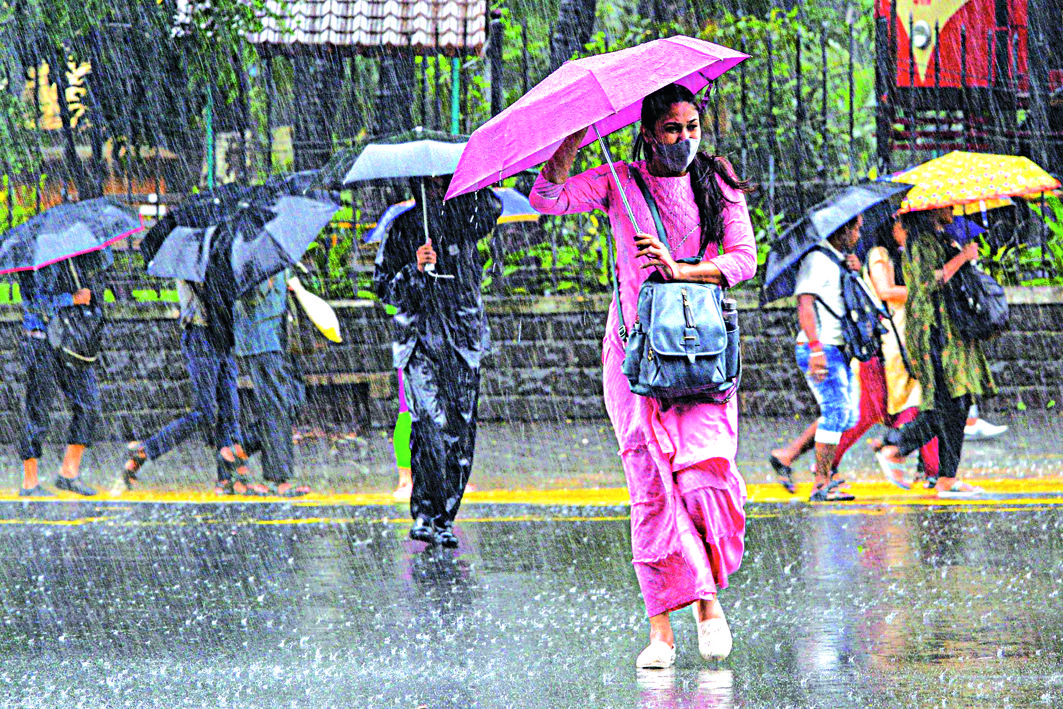
Monsoon season is upon us and with that so have our seasonal habits. Cozying up to a warm cup of chai with hot pakodas while watching children play in the rain, sleeping a little longer and curling up on the sofa. However if this feeling persists of being tired more than usual, losing interest in things, sleeping longer than usual and not feeling like meeting anyone… you might have just got the rainy blues!
A rainy-day mood
“Monsoon laziness” is not easy to brush off! These feelings stick around for a long time. In more medical terms it is called the SAD (Seasonal Affective Disorder) a form of depression linked to seasonal changes and is more commonly associated with winter in countries where daylight drops sharply.
“Prolonged cloudy weather, reduced sunlight, staying indoors and disrupted routines can trigger similar symptoms,” says Dhara Ghuntla, Psychologist/Psychotherapist and independent practitioner. Less daylight can affect our body clock, which plays a role in sleep, energy and mood. For some people, that can mean feeling unusually sleepy, low on energy or less motivated.
Gloomy Day Effect
“A temporary mood dip usually improves within a few days and does not significantly affect daily functioning,” says Ghuntla. Feeling a bit low is normal but feeling consistently low is an issue one must not let go unnoticed. Depression is different, it affects your work, studies, relationships or everyday routine—it is worth speaking to a mental health professional.
Dr Kavya, Psychiatrist at Maarga Mind Care, Bengaluru, says “Warning signs can include sleeping much more than usual, withdrawing from people, struggling to concentrate or losing interest in things you normally look forward to. And depression doesn’t always look like sadness.” Sometimes it looks like exhaustion, irritability or simply feeling “off” for weeks.
One of the easiest things to lose during the monsoon is structure. Bedtimes get later, exercise gets skipped and suddenly an entire Sunday has disappeared under a blanket.
“Waking up at a fixed time, getting natural daylight whenever possible, staying physically active and maintaining regular sleep hours help regulate mood,” says Dr Ashima Ranjan, Senior Consultant – Psychiatry, Yatharth Hospital, Noida.
You don’t need a complicated wellness routine. A 20-minute walk when the rain stops, some stretching at home or simply getting out of bed at the same time each morning can make a difference.
A Loss Of Structure
If you’re stuck indoors, fill the day with things you genuinely enjoy—not things you think you should be doing. Read, cook, listen to music, journal, paint, exercise or call someone you haven’t spoken to in a while. These small activities can provide structure and something to look forward to.
And don’t underestimate social contact. When we’re feeling low, cancelling plans can feel easier than explaining how we’re feeling. But staying connected, even through a quick phone call or video chat, can help.
At the same time, support should not become pressure. “Cheer up” is rarely helpful when someone is genuinely struggling. Listening, checking in and gently encouraging them to seek help can be far more useful. Less sunlight during the monsoon may raise concerns about vitamin D, but Dr Kavya advises against taking supplements “simply because you’re feeling low. If a deficiency is suspected, it is better to get tested and take supplements only if recommended.”
Seek Timely Help
The most important thing is not to wait for the clouds to disappear if your symptoms aren’t going away. If you’ve been feeling low, unusually tired, disconnected or withdrawn for two weeks or more, or if everyday responsibilities are becoming difficult, talk to a mental health professional. And if you’re experiencing thoughts of self-harm or suicide, seek professional help immediately.
Rainy days can make us want to slow down—and that’s okay. But if you feel like you’ve been stuck in that low-energy, disconnected state for weeks, don’t simply blame the weather. Sometimes, it’s not the rain that’s weighing you down. And you don’t have to figure it out alone.