People are suffering from prediabetes alarmingly, but nobody is talking about this silent epidemic
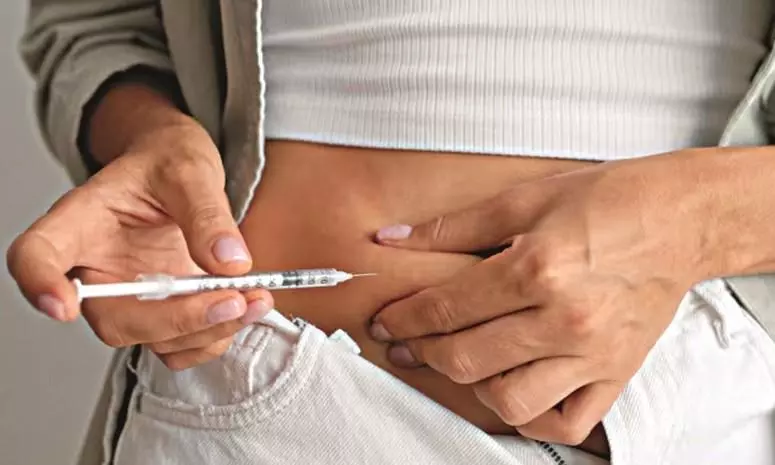
Prediabetes is a hidden health threat affecting millions, increasing their risk of type 2 diabetes. Though reversible with lifestyle changes, most remain unaware until it's too late. Experts warn that without greater awareness, it could worsen the global diabetes crisis. Dr Manjusha Agarwal of Gleneagles Hospital, Mumbai, says the problem stems from its invisibility.
Bitter Truth
“Prediabetes often goes undiagnosed as it has no symptoms, and people don’t test their blood sugar regularly unless they feel unwell, leading to underreporting,” she explains. Dr Rajiv Kovil adds, “In India, tests are done for insurance or surgery, not as routine care, so many cases are missed.”
Warning Signs
One of the biggest challenges, experts say, is that borderline test results are often brushed aside. A slightly elevated fasting glucose or HbA1c is frequently attributed to stress, a heavy meal, or temporary factors, rather than being treated as a genuine red flag.
“The transformation from normal glucose tolerance to prediabetes takes a few years. When borderline results like fasting 105 or HbA1c 5.9 appear, they are dismissed as temporary or stress-related, and not as a disease risk,” notes Dr Kovil.
This underestimation can have serious consequences. Prediabetes is not just about future diabetes risk — it is already associated with early cardiovascular damage, fatty liver, and higher chances of heart attack and stroke. Yet, both patients and physicians often overlook these dangers.
Lifestyle Changes
The good news is that prediabetes isn’t permanent. With early detection and lifestyle changes, it can be reversed. Dr Agarwal advises daily exercise, a balanced diet, stress management, and adequate sleep. Experts say these changes must be supported by systemic reforms. Dr Kovil urges routine blood sugar tests in annual check-ups, insurance, and antenatal care, especially for high-risk groups. He also recommends training doctors to prescribe lifestyle changes alongside medical treatment.
Public Campaign
Raising awareness about prediabetes will require more than individual effort; it demands large-scale public health campaigns. Dr Kovil calls for national initiatives equating prediabetes to pre—heart attack, community screening camps at workplaces, schools, temples, and mosques, and even healthier offerings at places of worship.
On the policy front, measures like taxing sugary drinks, subsidising healthy staples such as millets and low-glycaemic foods, and incentivising weight loss and physical activity could make healthier living more accessible. Urban planning also has a role to play, with the need for walkable cities, cycling tracks, and green spaces.
A Preventable Crisis
The rise of prediabetes is a ticking health time bomb. Unlike many diseases, however, it can be defused with simple, affordable interventions — provided people know about it in time. What is needed now is a coordinated effort: individuals committing to lifestyle changes, physicians prioritising prevention, and governments driving awareness and access.
As Dr. Agarwal puts it, “Timely intervention is the key. The earlier we detect and act on prediabetes, the greater the chance of preventing a full-blown diabetes epidemic.” Unless these warnings are taken seriously, millions more may unknowingly cross the line from prediabetes into irreversible diabetes — a crisis that could have been avoided with awareness, education, and action.

