Plastic in Your Wallet? Is India Ready for Polymer Currency?

Durable, secure plastic notes may debut in Rs 10 and Rs 20 denominations.
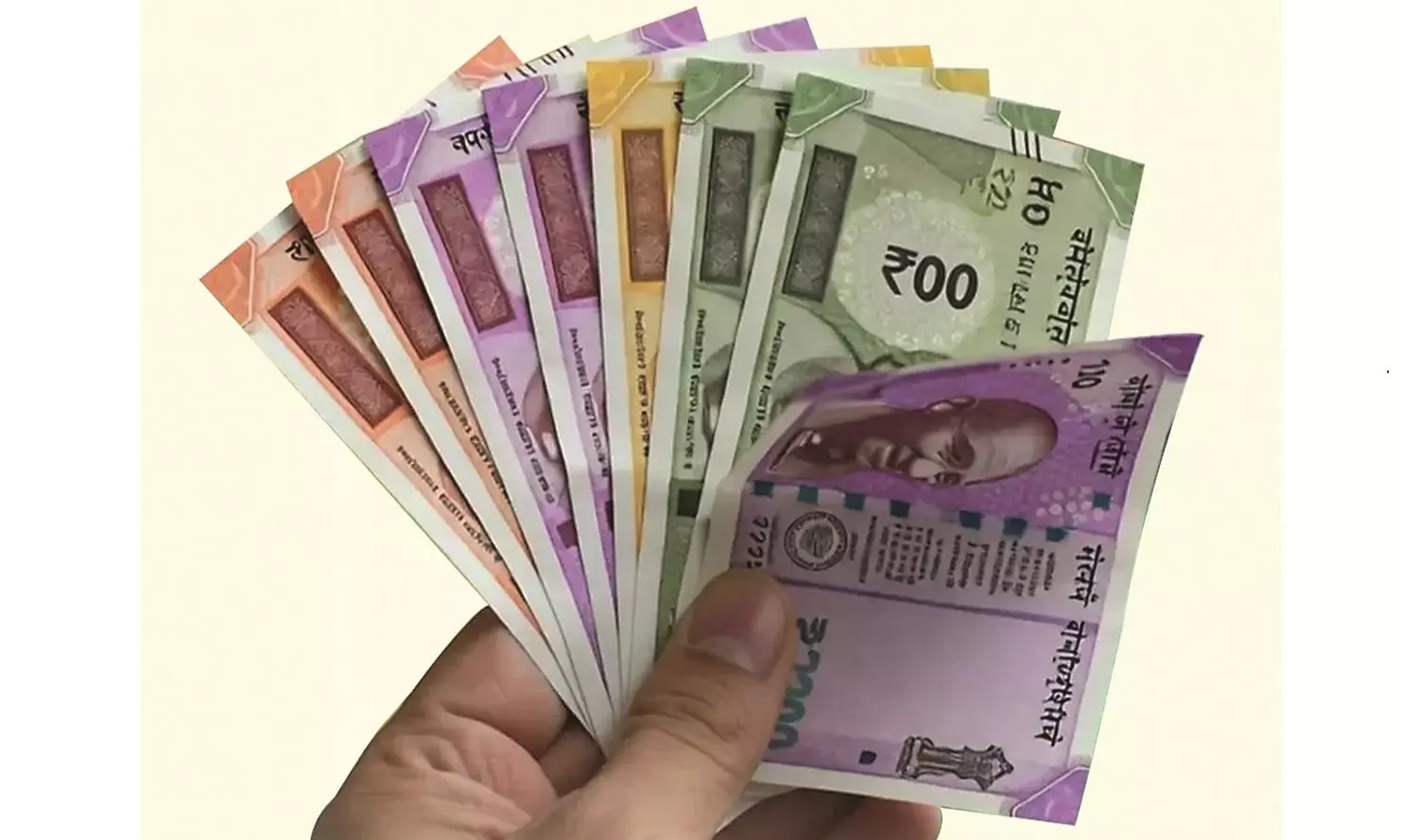
From the power centres of Patna to the financial nerve centre of Mumbai, India’s central bank has quietly revived a decade-old vision that could redefine the future of the rupee.
As of late May 2026, the Reserve Bank of India is revisiting its plan to launch a pilot project for ‘Polymer banknotes’, marking a cautious yet potentially transformative step in the modernization of the country’s currency system. The initiative may begin with limited quantities of Rs 10 and Rs 20 notes, which are among the most heavily circulated and frequently worn denominations in the country.
For millions of Indians, from street vendors in Kolkata to farmers in rural Uttar Pradesh, paper notes remain king even as digital payments have boomed. But those notes fray quickly, become soiled and must be replaced at enormous cost to the central bank. Polymer notes, essentially made of tough, flexible plastic, promise to change that equation.
Why Polymer Banknotes?
Polymer banknotes represent a modern evolution in currency. They are made not from traditional cotton and linen paper but from a thin, flexible plastic film known as biaxially oriented polypropylene, or BOPP. To the touch, they feel surprisingly similar to regular notes: lightweight, foldable and familiar.
Unlike paper currency, which frays, tears and absorbs dirt quickly, polymer notes are built to endure. They typically last two and a half to four times longer, often circulating for seven years or more, compared with just one and a half to two years for their cotton counterparts. They are also waterproof and highly resistant to moisture, grime and heavy handling. This means they can survive everything from a spin in a washing machine to a monsoon downpour without falling apart.
Security may be the strongest argument in favor of polymer notes. Their plastic substrate allows for sophisticated features, including transparent windows, holograms and specialized inks, that are considerably harder for counterfeiters to reproduce.
Though more expensive to print, polymer notes tend to last much longer than paper ones, lowering replacement costs over time. They can also be recycled at the end of their life cycle. India is not new to polymer currency. In 2012, the government launched a field trial of one billion Rs 10 polymer notes in five cities representing different climatic conditions. The project was later abandoned, in part because ATMs struggled to process the thicker plastic notes.
The Striking Stats!
The amount of cash circulating in the Indian economy continues to grow despite the rise of digital payments.
· Currency in circulation reached Rs 41.23 trillion by end-March 2026, up 11.8% from Rs 36.86 trillion a year earlier.
· The RBI spent Rs 6,372.8 crore on printing currency in FY25, a sharp increase from Rs 5,101.4 crore in FY24. This rise in printing costs has renewed interest in polymer notes.
· Currency printing costs then fell 23.5% to Rs 4,875.2 crore in FY26 as the RBI printed fewer notes and focused more on higher-denomination currency.
· A massive number of worn-out banknotes are removed from circulation every year. In FY25, 23.8 billion notes were withdrawn and destroyed, up 12.3% from the previous year, with Rs 500 and Rs 100 notes accounting for the largest share.
The Mirror of History
The Tyvek Experiment: The origins of polymer currency date to the early 1980s, when countries such as Haiti, Costa Rica and the Isle of Man experimented with banknotes made from Tyvek, a synthetic material developed by the American company DuPont. Unlike traditional paper, Tyvek was lightweight, durable and water-resistant, raising hopes for longer-lasting currency. But the experiment fell short of expectations. The notes faced printing and durability issues in everyday circulation and were eventually withdrawn.
Australia Leads the Way: Modern polymer currency was born in Australia. Confronted by rising counterfeiting in the late 1960s, the Reserve Bank of Australia worked with scientists, including chemist Dr. David Solomon, to develop a more secure plastic banknote. The world’s first modern polymer note, a commemorative $10 bill, was issued in 1988. By 1996, Australia had become the first country to switch its entire currency system to polymer notes, setting a model for the rest of the world.
The Smell Controversy and Churchill: On 2 June 2016, the Bank of England unveiled its first polymer banknote, a new £5 note featuring Sir Winston Churchill on the reverse side. When the new notes were fresh out of the press, many people complained that they had a distinct plastic or chemical odour, often described as smelling like “new plastic,” “cheap shower curtains,” or even “dirty old plastic.”
Let’s Quiz!
1. Tourists visiting Vietnam often notice that the country’s polymer banknotes feature scenic landmarks on one side and the same historical figure on the other. Who is this leader whose portrait appears across Vietnam’s currency?
2. A child asks her grandfather why her country’s polymer banknotes have a transparent window with a leaf inside it. The grandfather smiles and points to the national flag flying nearby, which bears the very same emblem. What leaf is she looking at?
3. A traveller lands in a small but wealthy Southeast Asian nation on the island of Borneo. As he pays for a meal, he notices that the polymer banknote in his hand features the portrait of a long-reigning Sultan and images of grand mosques and national landmarks. The $100 polymer note from the earlier series won a gold medal in Australia for its outstanding security features. Which country is he visiting?
4. While exploring a country famous for the Victoria Falls, a tourist receives a polymer banknote featuring a baobab tree, an African Fish Eagle and the iconic Freedom Statue known as the “Chainbreaker.” Curious, he discovers that this nation was Africa’s first adopter of polymer currency, introducing the notes in 2003 despite early printing problems. Name the country.
5. A traveller arrives in a nation occupying the eastern half of the world’s second-largest island. At a local market, he receives colourful polymer banknotes featuring Birds of Paradise, tribal masks and traditional cultural motifs. He soon learns that the country is home to more than 800 languages and was the second nation in the world, after Australia, to adopt modern polymer banknotes. Which country is he visiting?
Answers | 1. Ho Chi Minh 2. Maple Leaf (Canada)
3. Brunei 4. Zambia 5. Papua New Guinea
