Scientists have discovered a way to turn human urine into a material that can be used to fix teeth and bones
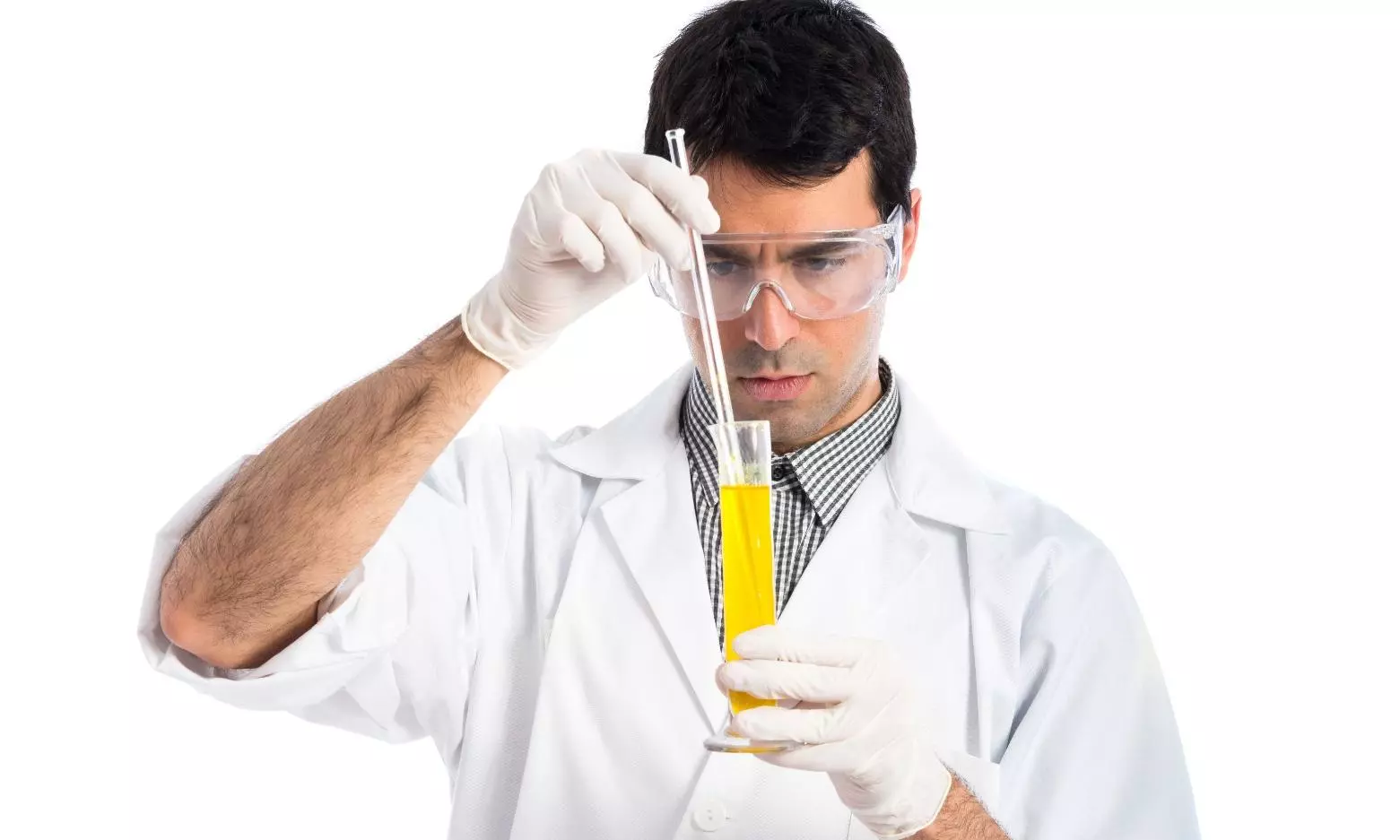
Could the transformation of urine truly revolutionise our bodies? Sounds weird? Well, it seems scientists have discovered a way to turn human urine into a material that can fix teeth and bones!
A recent study titled Cost-effective urine recycling enabled by a synthetic osteoyeast platform for the production of hydroxyapatite (HA), which gives details about this discovery, was published in Nature Communications recently.
“As a dental professional, I find the breakthrough in converting human urine into hydroxyapatite incredibly promising. HA is a naturally occurring mineral form of calcium apatite, and it plays a crucial role in dentistry and orthopaedics,” says Dr M. Prathyusha Prasad, HOD, Sr consultant at KIMS Dental.
“One litre of urine produces 1 gm of hydroxyapatite crystals. Oral and maxillofacial surgery uses these crystals to fill bone defects. It can promote bone growth and integration, making it ideal for these applications,” adds Dr Prathyusha.
By harnessing the power of genetically engineered yeast, researchers have managed to convert components in urine into a mineral substance that can be used to create dental and bone implants. “The process involves using yeast to extract and synthesise calcium and phosphorus, the key building blocks of bones and teeth, from urea found in human urine.
The result is a bio-based alternative to traditional implants, which typically rely on mining non-renewable resources,” says Dr Venkat Nani Kumar B., consultant in internal medicine, Apollo Hospitals.
New avenues for recycling human waste
Hydroxyapatite is widely used in dental implants, bone grafts, and as a coating for titanium implants due to its excellent biocompatibility and ability to bond with natural bone, says Dr M. Prathyusha. “What’s fascinating is that researchers in the USA have discovered a unique yeast, termed osteoyeast, that can separate urine from wastewater and convert it into HA crystals,” she adds.
This development not only presents an eco-friendly solution to medical manufacturing but also creates new possibilities for recycling human waste in a meaningful and medically beneficial way, he feels. “While the concept of using urine in health practices has historical roots, this scientific advancement brings a fresh and practical perspective to the age-old fascination, marking a new chapter in the intersection of biotechnology and sustainability,” says Dr Kumar.
Sustainability
Traditional HA comes from mined rock phosphate, a non-renewable resource. “This method avoids environmental damage and transforms human urine—a readily available waste product—into something valuable,” says Dr Kumar. “HA reduces the risk of immune rejection (occurring when the recipient’s immune system attacks the transplanted tissue, recognising it as foreign) or inflammation, unlike some synthetic or metal implants,” he says and adds, “Since raw material (urine) is free and abundant, it reduces dependency on expensive imported or synthetic materials for implants.”
Limitations
Low yield: Urine contains minerals in tiny amounts, so large volumes are needed to extract usable quantities.
Time-consuming: This process is still slower than industrial methods.
Purity and Consistency: Urine composition varies on the basis of the individual, diet, hydration, and health.
Regulatory and Safety Obstacles: Products derived from human waste give rise to regulatory concerns. Gaining approval from agencies like the FDA or CDSCO is a lengthy process.
Technical Barriers: The biotechnological process is still new and requires specialised labs and equipment not yet available in all regions.
Public Perception and Acceptance: Many people may be uncomfortable with the idea of implants made from urine—even if purified and safe. Social stigma can affect patient trust and adoption.
$3.5 bn By 2030, the market for hydroxyapatite is expected to be worth over
A yeast platform that converts human urine from wastewater into hydroxyapatite, a substance used to make dental implants, has been developed.
Researchers from the University of California (UC), Irvine, hoped the technique would have two major benefits—first, creating a high-value, biocompatible material that can be used to create dental and bone implants and restore archaeological artefacts. Secondly, the technique aims to eliminate harmful human urine from water systems.