No More ‘Preeti’: Heroines Want To Be New Sheroes

Huma Qureshi wants to play Kabir Singh, not Preeti, while Kriti Sanon is challenging the good-girl stereotype too. Heroines no longer need to be perfect or seek permission to be powerful
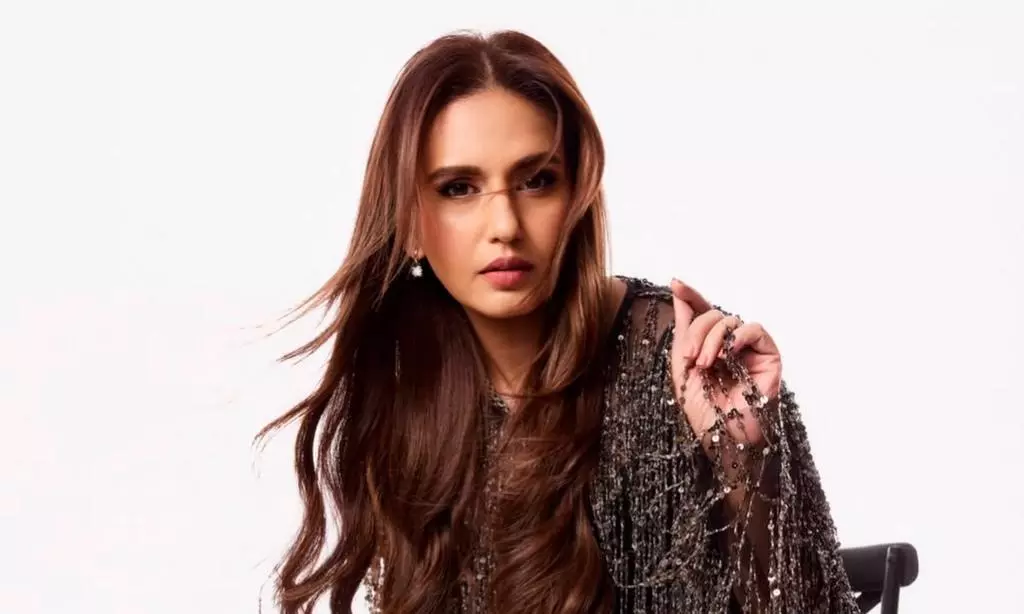
At the IFP 2026 festival, Huma Qureshi declared, “I want to play Kabir Singh, not Preeti.” Kriti Sanon, too, has voiced her fatigue with playing “the good girl”, saying her mean, selfish character in Do Patti offered a refreshing change. Citing Joker, she highlighted how audiences can root for morally flawed characters. Both actors challenge Bollywood’s double standards: men are celebrated for being obsessive, destructive and morally grey, while women with similar flaws are often deemed unlikeable. Their demand is for women characters with the freedom to be complex, flawed and unapologetic.
freedom to be flawed
Sobhita Dhulipala’s Tara Khanna in Made in Heaven embodies this shift. Ambitious, Tara refuses to fit neatly into the good-woman mould. Taapsee Pannu has spent much of her career exploring similarly complicated characters. “From the very start of my career, I have shunned conventional heroine roles. I have always felt it’s boring to play only white characters. Films like Manmarziyaan, Badla and Haseen Dillruba allowed me to explore morally complex women. When I took on these roles, many leading actresses rejected such characters because they were worried about audience perception.”
Independent producer Rangita Nandy, whose Four More Shots Please! challenged conventional ideas of women behaviour, believes the bigger obstacle lies in the writing room. “It’s about whether filmmakers and writers, most of whom are male, will give them the kind of roles they have always written for heroes. The audience will watch any story told well. In Four More Shots Please!, the women are real and that’s rare in cinema. Perhaps that’s why they’ve been loved, criticised and watched again and again.”
Trust audience
Telugu filmmaker Nandini Reddy agrees that viewers are more receptive to complex characters than the industry assumes. “If the story is immersive and the actors’ performances convince us, why not?” she says. Filmmaker Sonam Nair points to performances by Vidya Balan in Ishqiya and The Dirty Picture, Priyanka Chopra in Fashion and Tabu in Andhadhun as evidence that morally grey women have long found an audience. “The audience definitely enjoys seeing complicated grey characters, whether male or female, but makers need to have more faith in letting writers and directors tell those stories,” she says.
Is playing a man the answer?
Veteran actor Mita Vashisht believes the debate needs to go beyond women demanding traditionally male-style roles. “Women have always been ambitious, flawed, rebellious and unapologetically complicated. Some of the greatest stories of powerful women are rooted in our history, yet cinema often limits empowered women to the glamour brigade. The problem is that women’s roles in Hindi films are inevitably subservient to the male character. Even when women are strong, their strength is curtailed, as though they need a man’s permission to be great. Women wanting to play men or become bad to be powerful is, again, a stereotype of women’s empowerment. The real heroines are on the streets today. Young women are fighting for their rights with extraordinary energy, commitment and intelligence. That is the feminine Shakti force in action.”
QUOTES
“I have always felt it’s boring to play only white characters all the time. Films like Manmarziyaan, Badla and Haseen Dillruba gave me the opportunity to explore morally complex women.When I took on these roles, many leading actresses rejected such characters because they worried about how audiences would perceive them. I’m glad more women now want to explore these roles.”
— TAAPSEE PANNU, Actor
“It’s not really about whether audiences will embrace these fabulous women, but whether filmmakers and writers, the majority of whom remain male, will write and mount these women the way they have mounted heroes all this time.” — RANGITA NANDY, Producer
“Women have always been ambitious, flawed, rebellious and unapologetically complicated.”
— MITA VASHISHT, Actor
“People are complex creatures. Men and women alike. If the story and the narrative are immersive and the actors’ performances convince us, why not?” — NANDINI REDDY, Filmmaker
New-age Sheroes
* Yami Gautam Dhar — Haq (2025): Takes on a legal battle for a woman’s rights and dignity.
* Kalyani Priyadarshan — Lokah Chapter 1: Chandra (2025): A powerful female superhero who doesn’t need romance to justify her strength.
* Anushka Shetty — Ghaati (2025): A woman’s rise against a brutal drug network puts female resilience and survival at the centre.
* Anupama Parameswaran — Paradha (2025): A woman begins questioning traditions that restrict her freedom.
* Vaishnavi Chaitanya — Epic (2026): Plays a woman who challenges conventional expectations around relationships and respectability.
