
Patients with darker skin tones often face delays in keloid diagnosis, doctors talk about treatments and the importance of equitable healthcare
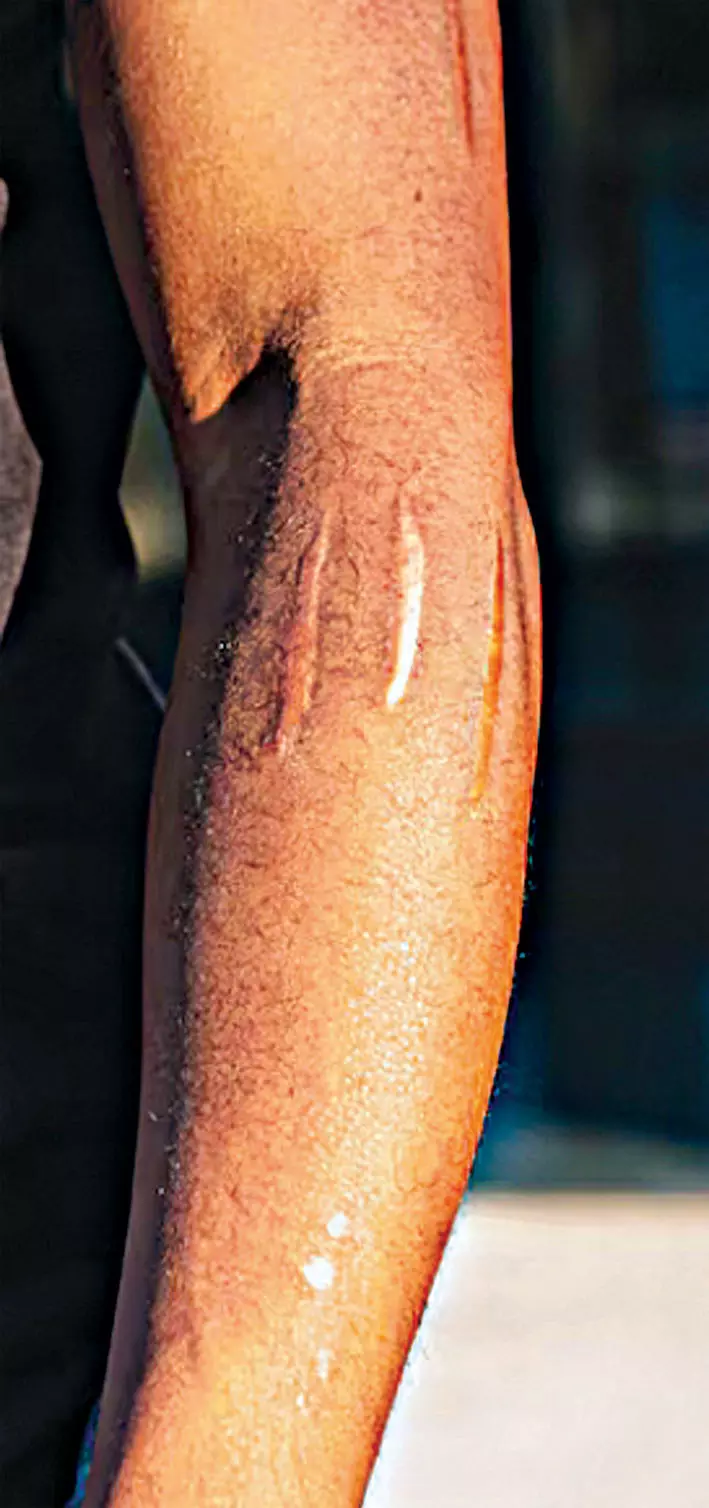
For some patients, what begins as a small mark after an injury, piercing, surgery or even a minor skin trauma can eventually become a raised, firm and sometimes painful growth that extends beyond the original wound. These growths, known as keloids, can be more common among people with darker skin tones, yet recognizing them is not always straightforward.
Patients may initially be told that a raised lesion is acne, a cyst or simply “normal scarring.” For those living with keloids, such misidentification can mean months or even years before they receive an appropriate diagnosis and specialist care. The issue is not simply cosmetic. Keloids can itch, cause pain, restrict movement depending on their location and have a significant emotional impact.
Misreading Keloids
Keloids do not look identical across every skin tone. According to Dr. Rohit Batra, Dermatologist and Skin Specia-list at Dermaworld Skin & Hair Clinic, early keloid lesions in darker skin can sometimes be mistaken for acne, cysts or ordinary scars.
“Diagnosing keloids in darker skin tones can sometimes be challenging because early lesions may be mistaken for acne, cysts, or ordinary scars,” Dr. Batra explains. He notes that diagnosis depends on more than changes in colour. Texture, firmness, elevation and whether the lesion continues to grow, itch or hurt can all provide important clues.
Dr. Vashisht Dikshit, Consultant in Plastic and Cosmetic Surgery at Gleneagles Hospital Parel, similarly points out that the appearance and colour of keloids can vary considerably in darker skin. Changes such as redness may be less obvious, while pigmentation surrounding a scar can make assessment more complicated.
Limited Exposure Problem
The difficulty extends beyond the examination room. Medical education itself can influence what healthcare professionals recognize quickly. Dermatology has historically relied heavily on clinical photographs and visual examples, but if educational resources contain fewer examples of conditions appearing on darker skin, doctors may have fewer references when assessing patients from those populations. “If doctors have had limited exposure to keloids across different skin tones, this can increase the chance of the lesion being overlooked or incorrectly identified,” Dr Dikshit says.
Dr Batra also points to limited representation of darker skin tones in dermatology textbooks, clinical training and image libraries as a potential contributor to reduced diagnostic confidence. This does not necessarily mean that an individual doctor intends to discriminate against a patient. But when the medical system provides unequal exposure to different skin tones, patients can experience the consequences through missed or delayed recognition.
Delayed Diagnosis Woes
For someone developing a keloid, being repeatedly told that a growth is harmless or something else can be frustrating and distressing. It can also delay access to appropriate management.
Keloids can continue growing over time, meaning that a lesion that might initially appear relatively small can become more prominent. Dr. Batra notes that delayed referral to a dermatologist may allow keloids to become larger and more difficult to manage.
For patients, this can create a particularly difficult cycle: a visible skin condition is initially misunderstood, the patient may continue seeking answers, and specialist intervention may only happen after the lesion has progressed.
“I was repeatedly told the bump was just a normal scar or cyst. Because my skin is dark, I felt doctors didn’t recognize the changes. By the time someone identified it as a keloid, it had grown significantly and become painful.” says Rishi Srivastava, a patient.
Representation Matters
The lack of diverse imagery in medical education is therefore more than a question of representation. It can affect how confidently clinicians identify conditions in real patients. “Healthcare professionals may have less experience recognising how common dermatological conditions present on darker skin,” Dr Batra says.
The solution requires greater diversity in dermatology teaching materials, practical training involving different skin tones and timely referral to dermatology specialists. Both specialists point to more diverse clinical photographs, broader representation in textbooks, practical training across different skin tones and stronger referral pathways as potential ways to improve recognition.
A Broader Lesson
For patients, the stakes are personal. A keloid may begin as a small scar, but being unable to have that scar accurately identified can turn a manageable medical condition into a prolonged search for answers.
The broader lesson is that equitable healthcare requires clinicians to be prepared to recognise disease across the full spectrum of human skin. When certain skin tones are underrepresented, the consequences can ultimately be felt by the patients whose conditions are harder to recognise.
Diagnosing keloids in darker skin tones can sometimes be challenging because early lesions may be mistaken for acne, cysts, or ordinary scars.”
— Dr Rohit Batra, Dermatologist and Skin Specialist
I was repeatedly told the bump was just a normal scar or cyst. Because my skin is dark, I felt doctors didn’t recognize the changes.”
— Rishi Srivastava, Patient
If doctors have had limited exposure to keloids across different skin tones, this can increase the chance of the lesion being overlooked or incorrectly identified.”
— Dr Vashisht Dikshit, Consultant (Plastic and Cosmetic Surgery)