Messy Girls Make A Clean Sweep Online

10 July 2025 8:43 PM IST10 July 2025 8:43 PM IST
Gen Z is glamourizing breakdowns in public with smeared mascara selfies, sad notes, and photo dumps of tears, chaos and burnouts, experts are concerned over this ‘performance’ trend
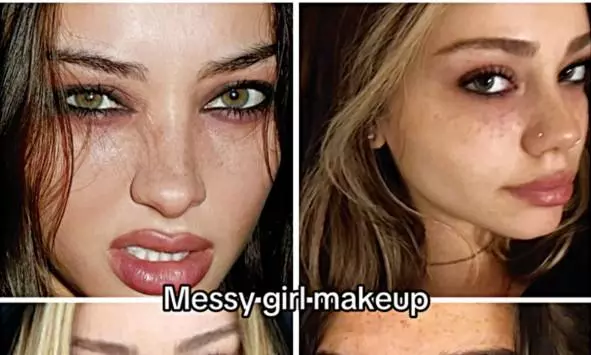
Messy Girl Make Up (Image: Social)
In the glossy Gen Z internet culture, a new digital archetype is taking centrestage: The ‘messy girl.’ No longer hidden in the shadows of shame, breakdowns are now spotlighted through Instagram photo dumps, smeared mascara selfies, and confessional Notes app screenshots. This curated vulnerability is not just aesthetic—it's a new language of expression.
From TikTok trends that parody depressive spirals to meme culture that romanticizes emotional exhaustion, young women are reimagining collapse not as a failure but as a form of empowerment. Yet, this public performance of inner turmoil raises a pressing question: Is this emotional chaos an authentic outlet — or simply a rebranded coping mechanism for the digital age?
Burnout With A Filter
Shivani Rao, a clinical psychologist based in Mumbai, sees this as a symptom of broader generational burnout. “Gen Z has grown up in a world marked by instability—climate anxiety, economic precarity, and social unrest. For many girls, glamorizing their breakdowns online is a way to reclaim control over something deeply personal,” she explains.
This digital aesthetic often features late-night mirror selfies with tired eyes, unmade beds, and cryptic captions like “spiraling but make it cute.” It’s a carefully constructed chaos that paradoxically demands time, effort, and taste.
Emotional distress, once kept private, is now publicly stylized—complete with filters and trending audio.
Marketing Meltdowns
At the heart of this trend is a kind of feminist subversion. By rejecting the pressure to appear constantly composed and competent, many young women see the ‘messy girl’ as a rebellion against toxic positivity and perfectionism.
“It’s a way of saying, ‘I’m not okay, and that’s okay,’” says Aarti Bajaj, a sociologist and digital culture researcher. “But we have to ask—who benefits when vulnerability becomes a brand? Does this actually dismantle the pressure, or does it create new performance standards for suffering?”
Indeed, what started as raw expression can quickly turn into commodified chaos. Influencers who once went viral for posting mental health content now monetize their pain through brand partnerships and merchandise. In a strange twist, the meltdown has market value.
Catharsis or Capitalism?
While some young women find comfort in sharing their struggles online — building communities and normalizing conversations around mental health — others are starting to feel trapped by the very aesthetic that once set them free.
There’s a fine line between catharsis and performance. “When every emotion is shared, liked, and commented on, it’s hard to know whether you’re expressing your feelings or just performing them for an audience,” Shivani warns. “Over time, it can blur your sense of self.”
This performative vulnerability also raises concerns about validation. When breakdowns receive engagement, there's a risk of subconsciously amplifying distress for digital approval. The feedback loop of likes and reposts can create a subtle pressure to remain publicly unwell.
Sad Girls Soft Spot
The cultural appetite for ‘sad girls’ is nothing new — think Lana Del Rey or Sylvia Plath or say Deepika Padukone from Cocktail. But social media has accelerated and democratized this trope, allowing everyday users to slip into the role with ease. The difference today is scale and accessibility. Anyone with a phone can play the part, and often, they do.
Yet, the performance isn’t just about aesthetics. These digital breakdowns can also be subtle cries for help, or attempts to forge solidarity in a hyper-competitive, often isolating world. Among close-knit friend circles and mutuals, Notes app confessions might function as modern-day diary entries—with the added twist of public feedback.
Real vs Fake Pain
There’s no denying the comfort many Gen Z women find in sharing their most unfiltered moments online. These digital break-downs can foster connection, start important dialogues, and provide a counter-narrative to glossy perfection. But when curated chaos becomes a standard, it risks replacing one unrealistic ideal with another.
Aarti urges a more mindful approach. “Instead of asking ‘Is this real or fake?’ we should be asking, ‘What do I need right now—and is this the best way to get it?’ Not every feeling has to become content. Sometimes, privacy is the most radical choice.”
As the main character of their own stories, Gen Z girls are rewriting the script. Whether this meltdown is a meaningful rebellion or just another form of packaging pain remains to be seen. But one thing is clear—the internet is watching, and the performance continues.
( Source : Deccan Chronicle )

Next Story