Kitchen Counters = Vanity Encounters

People are raiding kitchen shelves to make homemade beauty products, from skin scrubs to face packs and masks, but doctors have a word of caution
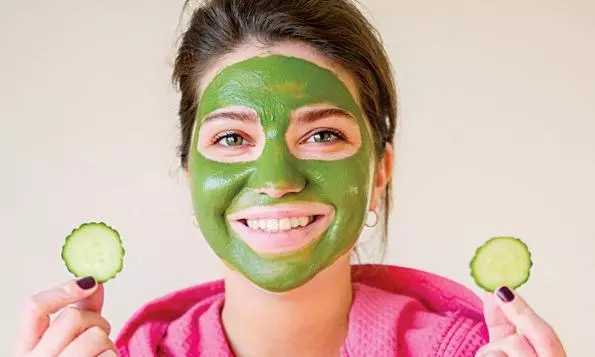
Matcha on your lips. Oats on your skin. Coffee in your scrub, sugar body wash. No, this isn’t a weird detox diet — it’s beauty’s latest crush. The vanity counter has become the café counter, and your skincare shelf resembles a breakfast menu. From TikTok DIYs to luxury creams, café staples have brewed themselves into the beauty conversation.
Café Beauty Hacks
For Indians, this trend feels like déjà vu. We’ve always raided the kitchen for beauty — turmeric face packs, besan scrubs, curd masks. “Kitchen skincare is nothing new for us,” says Aashi Adani, a beauty content creator whose followers adore DIY hacks. “What’s changed is that the West has suddenly discovered it. Thanks to K-beauty, everyone’s swooning over matcha and rice. We’ve been doing this forever, only now it comes in fancy packaging.” What was once an auntie’s Sunday ritual is now a global sensation. The “grandma’s recipe” has gone international, with oat cleansers, matcha serums, and coffee-infused scrubs leading the charge. The difference? Glossy jars and viral hashtags.
On Instagram, reels of “3-ingredient oat masks” get millions of views. TikTok is a bubbling cauldron of matcha face packs and frothy coffee scrubs. “My followers are obsessed,” laughs Aashi. “If it’s affordable, easy, and still feels fancy, they’re in. It feels like a luxe facial without spending a bomb.”
Expert Speak
Dermatologists, however, roll their eyes. Dr. K R Sharmatha, Senior Consultant – Dermatology, SIMS Hospital says, “Coffee can exfoliate, oats can soothe, matcha has antioxidants. But kitchen use is hit-or-miss. Skincare products use purified extracts in controlled amounts — your pantry doesn’t.”
Coffee, with its caffeine kick, can perk up tired skin and temporarily brighten dark circles. Oats are rich in compounds called avenanthramides that calm inflammation — which is why dermatologists actually prescribe colloidal oatmeal for eczema. Matcha is packed with antioxidants like EGCG that fight oxidative stress and help slow down skin aging.
“Matcha’s antioxidants help fight free radicals, coffee can energise, and oats soothe dryness — these are proven benefits,” says Dr. Vinata Shetty, Medical Advisor and Consultant Dermatologist, Kaya Limited. “But they only work effectively in professional formulations. Raw pantry versions can irritate the skin.”
Word Of Caution
In other words: a matcha latte is delicious, but your face deserves something safer than yesterday’s leftover powder. Nature does not always equal safety. Lemon juice in a viral mask? Burns. Coffee grounds used aggressively? Microtears. Oats that aren’t finely ground? Clogged pores. “Even matcha, if it’s not clean or fresh, can irritate or cause infections,” warns Dr. Sharmatha.
Aashi echoes the same: “Patch test, patch test, patch test. Just because you can eat it doesn’t mean your skin will love it.”
Dermatologists are seeing this play out in clinics. “I get patients with rashes after trying viral DIYs,” says Dr. Shetty. “Natural ingredients don’t come with standardisation or microbial safety. Your skin needs precision, not pantry experiments.”
New Beauty Buffet
This trend is gaining traction because young people love the idea of plant-based, clean skincare. That’s why oat cleansers fly off shelves faster than you can say “latte,” and matcha creams are marketed like dessert. It’s aspirational yet familiar. Matcha cream looks like a macaron. Oat milk cleansers sound comforting, almost edible. Coffee scrubs smell like a café. It’s skincare that’s wholesome, Instagrammable, and easy to brag about in captions. This is also part of the bigger “edible beauty” wave, where what you eat, drink, and apply are all seen as connected.
In India, this trend isn’t just accepted — it’s celebrated. “We’ve always influenced global beauty with our home remedies,” notes Dr. Sharmatha. “Turmeric masks and gram flour scrubs went viral before viral was even a word.” The difference today is the way these staples are repackaged. Younger Indians don’t always have time to soak oats or grind coffee. They’d rather pick up an oat mask in chic packaging. The market now thrives on “lab-backed naturals” — traditional ingredients formulated with modern science. As Dr. Shetty puts it, “It’s the sweet spot between grandma’s wisdom and dermatology.”
Sip, Scrub, Repeat
So, are café ingredients the future of beauty? Possibly. But the safest route is balance: embrace the fun, but don’t let social media replace science. “If you love matcha or oats in your skincare, buy products with standardised extracts,” says Dr. Shetty. “Don’t DIY everything from your kitchen.” For now, though, your morning latte has a double life — energising your body and your beauty routine. Café culture isn’t just about sipping anymore. It’s about scrubbing, soothing, and glowing.
Café-to-Counter Cheat Sheet
1. Coffee
DIY: Mix coffee grounds with honey for a quick scrub (gentle, please!).
In Products: Body scrubs, eye creams, cellulite gels.
Perks: Boosts circulation, brightens dull skin, reduces puffiness.
2. Matcha (Green Tea Powder)
DIY: Blend with yoghurt for an antioxidant face mask.
In Products: Serums, creams, sheet masks.
Perks: Packed with EGCG antioxidants, slows signs of aging, calms redness.
3. Oats
DIY: Grind into a fine powder, mix with milk for a soothing mask.
In Products: Oat cleansers, calming lotions, eczema creams.
Perks: Soothes irritation, locks in moisture, great for sensitive skin.
4. Sugar
DIY: Mix with coconut oil for a lip/body scrub.
In Products: Sugar body washes, lip scrubs.
Perks: Natural exfoliant, polishes away dead skin cells, leaves skin soft.
5. Milk (Bonus Café Staple)
DIY: Use chilled raw milk as a toner.
In Products: Milk cleansers, hydrating masks.
Perks: Contains lactic acid, gently exfoliates, brightens skin
