K-Pop Fans Fight India, Pak Clash Misinformation

From fandom to fact-checking, Indian K-pop fans are counter fake news and false info regarding India-Pakistan tensions
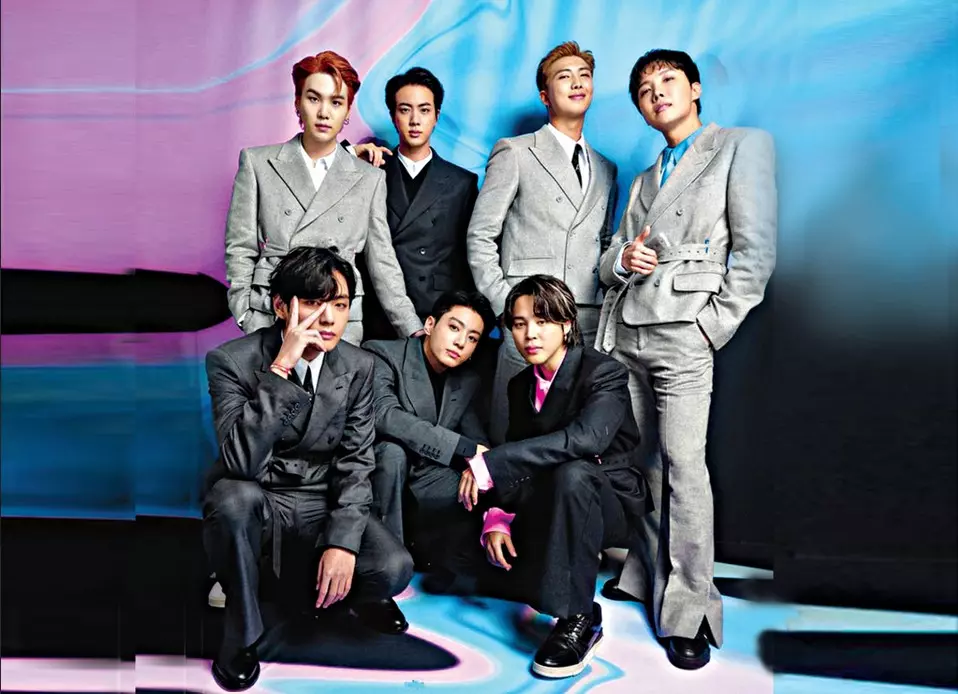
As geopolitical tensions simmer between India and Pakistan, a new unexpected group has emerged as a digital force against misinformation: Indian K-pop fans. Traditionall known for their fierce loyalty to South Korean pop idols and their vibrant online fancommunities, these young enthusiasts have now stepped beyond fan cams and streaming battles. With hashtags, threads, and viral videos, they're now engaging in a different kind of digital campaign; one aimed at defending India’s image on the global stage.
The Indian Ministry of Information has taken note, quietly appreciating the role of young netizens in upholding factual discourse. Though no official collaboration has been announced, insiders suggest that government social media teams are monitoring and learning from these grassroots efforts.
Fan Edits to Fact-Checks
When reports began circulating online in late April suggesting that India had provoked recent border skirmishes with Pakistan, many of these narratives were amplified by unverified sources and bot accounts. The Indian government issued statements denying any aggression, but online misinformation spread faster than official rebuttals. Enter the Indian K-pop stans — tech-savvy, globally connected, and incredibly organised. “We saw fake news blaming India go viral with shocking speed,” said Riya Bhatt (19) ARMY (BTS fan). “People were sharing old images of bombings and claiming they were from last week. It was scary how easily it spread.”
Riya, along with hundreds of other young fans, began organizing digital counter-campaigns. Using Twitter Spaces, Instagram Lives, and WhatsApp groups initially created for K-pop discussions, they mobilized to verify claims, flag fake posts, and disseminate fact-based narratives. “Some of us run fan accounts with tens of thousands of followers. We realized we could use that reach to correct the record,” says Ananya Singh (21), a fan account moderator in Delhi. “If we can coordinate streaming goals for Jungkook’s solo debut, we can fact-check a few lies about our country too.”
# For Homeland
Over the past two weeks, hashtags like #IndiaWithFacts, and #FakeNewsAlert have trended on X (formerly Twitter), many of them propelled by Indian K-pop fans. These hashtags often appear alongside traditional K-pop tags, drawing global attention from fandom communities around the world.
What makes this movement powerful is its agility and reach. K-pop fans are already skilled at navigating algorithmic platforms, promoting content for visibility, and engaging audiences. They’ve now repurposed those tactics to counter narratives that paint India as the aggressor. “We started by translating statements from official defence sources into easy-to-understand graphics,” says Aashi Anand, a Chennai-based fan of the girl group TWICE . “Then we began debunking viral videos—some of which were from years ago or from unrelated conflicts like Syria or Afghanistan.”
Memes, Reels, Resistance
Many fans are using humour and meme culture to spread awareness. One viral meme compared the situation to a “Movie plot twist where the villain edits the script halfway through”—a satirical jab at manipulated narratives spreading across social media. TikTok and Instagram Reels have become hotspots for this activism. Short videos combining clips from K-pop performances with voiceovers explaining geopolitical facts have gained thousands of views. Others feature transitions from K-pop dance trends to news debunks, seamlessly blending entertainment with education.
Digital Patriotism
For many Indian K-pop stans, this shift feels natural. Their exposure to international communities has made them adept at cross-cultural dialogue and media literacy. They’re quick to spot bias, distortion, and manipulation—especially in global coverage of South Asia. “What we’re doing is not about hate or nationalism in the toxic sense,” says Ananya. “It’s about saying—don’t lie about our country. We’re not warmongers.”
