Ever wondered why your body suddenly jerks or twitches in sleep? Experts step in to give some advice
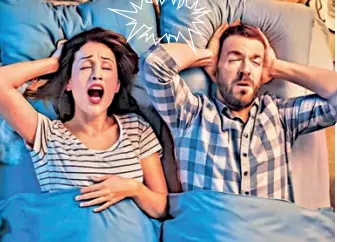
Imagine this: Just as you are slipping into sleep, drifting deliciously bet-ween consciousness and a dreamscape, your body decides to stage a sudden jolt. A rogue twitch. A full-leg lurch that could qualify for Olympic qualification in high jump. Welcome to the curious, twitchy world of the hypnic jerk — the body’s most inconvenient mic drop.
A Universal Twitch
“Hypnic jerks, also called hypnagogic jerks or sleep starts, are simple muscle contractions as the body transitions from alertness to sleep,” explains Dr Sachin Adukia, Senior Consultant Neurologist, LH Hiranandani Hospital from Mumbai. Dr Sachin shares how these jerks often accompany a vivid sensation of falling or a dream fragment at the brink of sleep.
Up to 70% of people experience hypnic jerks at some point in their lives. In other words, humanity is collectively jumpy at bedtime.
These jerks tend to occur during Stage 1 sleep — that transitional moment when the brain shifts gears from wakefulness to rest. Muscles begin to relax. Breathing slows. Brain waves change tempo. The body powers down like a dimming theatre before the show. And then zap, you fall (not literally).
Dr Sachin quips, “In deeper sleep stages, muscle tone diminishes further and stable sleep-specific patterns emerge, so the mixed wake-sleep signals that trigger jerks have largely passed by then.”
Triggers & Stimulants
Sleep research consistently links hypnic jerks to everyday stressors: elevated anxiety, sleep deprivation, and stimulants like caffeine or nicotine all make the nervous system more reactive. Even vigorous late-night exercise or irregular sleep patterns, common in youth culture, can increase their frequency.
Dr Joy Mounica, Consultant Neurologist at Renova Century Hospitals, from Hyderabad, says, “Hypnic jerks may be spontaneous or induced by stimuli and sometimes are associated with a peculiar sensory feeling of ‘shock' or ‘falling into the void’.”
She further notes that a range of lifestyle and physiological factors can increase both the frequency and intensity of these episodes (see box). From a clinical standpoint, Dr. Joy adds that polygraphic studies have shown hypnic jerks may be associated with K-complexes, brief EEG arousals, and signs of autonomic activation — underscoring that while they feel dramatic, they are rooted in identifiable neurophysiological processes.
Snooze Worry
Studies suggest that 70–80% of hypnic jerks are benign and not a sign of pathology or a cause for concern. However, if jerks are extremely frequent, disrupt sleep continuity, or are accompanied by daytime muscle spasms, rhythmic limb movements, cognitive changes, or neurological symptoms, further evaluation may be indicated to rule out conditions such as periodic limb movement disorder or other myoclonus types.
Dr. Sachin explains that reducing hypnic jerks begins with strengthening overall sleep habits. He emphasises the importance of optimising sleep hygiene, maintaining fixed sleep–wake timings and following a calming pre-bedtime routine to signal the brain that it is time to wind down.
He recommends avoiding caffeine and nicotine at least 6 hours before bedtime, as they increase neural excitability and the likelihood of sudden sleep starts. Stress management is crucial. Practices such as mindfulness, progressive muscle relaxation, and light evening exercise can help reduce neural arousal and ease the transition into sleep.
A Wake-Up Call
Hypnic jerks are a quiet reminder that sleep is not a switch we flip, but a threshold we cross.
The body does not surrender consciousness all at once; it negotiates it. So, the next time your body startles you at the edge of sleep, perhaps it is not a disturbance, but a simple reminder. That even in vulnerability, you are wired for resilience. That even in rest, your body is watching over you!
Rude Awakening
• Up to 70% of people experience hypnic jerks at some point in their lives
• People describe hypnic jerks in three distinct ways: first, as a sensation of suddenly falling or tripping; second, as a brief sensory flash that can resemble an electric shock; and third, as a fleeting hallucination or vivid dream — most often centred around the experience of falling.
• Excessive intake of caffeine or nicotine, strenuous physical exercise close to bedtime, extreme fatigue, chronic sleep deprivation, heightened emotional stress, anxiety, and certain medications or drugs are all known to act as triggers.
Tips for a Sound Sleep
• Prioritise strong sleep hygiene. Building consistent and calming sleep habits helps the brain transition more smoothly into rest.
• Keep a fixed sleep schedule: Go to bed and wake up at the same time every day — including weekends — to stabilise your internal clock.
• Optimise bedroom temperature: Maintain a cool environment, ideally around 65–68°F (18–20°C), to support natural sleep onset.
• Create a dark, quiet space: Use blackout curtains, dim lighting, or a white noise machine if necessary to minimise disturbances.
• Disconnect before bedtime: Avoid screens and electronic devices at least one hour before sleep to reduce blue light exposure and mental stimulation.

