Irresistible Edible Beauty Aesthetics

Luscious jam lips, whipped body wash, jalebi glaze, matcha makeover or glazing donut skin, nobody wants to miss out the ‘latte makeup’ trends of 2025
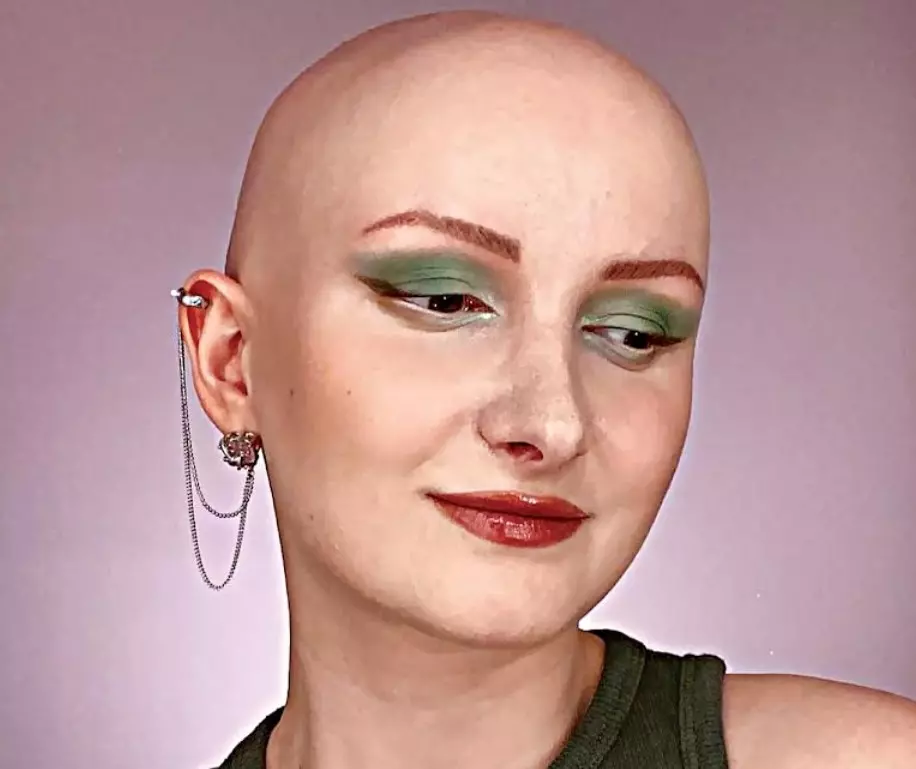
Beauty is borrowing from the bakery. Be it glazed donut skin, popularised by Hailey Bieber, jam lips, or strawberry freckles – food related makeup looks, as well as cosmetic marketing trends have been at an all-time high. In June 2025, around 2 lakh users looked up latte makeup on the image-based social media platform, Pinterest.
The Novelty Value
According to social-media-influencer Yashvi Bhaia, these trends bring a sense of novelty to cosmetic products. “Take a look at one of the body washes called Whipped Lush. It feels exactly like whipped cream – fluffy, foamy and sweet. This visual being attached to the product brings a pleasant connection,” she says.
Devangshu Dutta, founder of Third Eyesight, a management consulting firm, says, “Terms like choco mousse blush or berry lip tint evokes indulgence, comfort, and a sense of
reward, transforming cosmetics into emotional experiences rather than just functional items.” Dutta likened these products to comforting treats, exuding warmth and a nostalgia for food they have consumed before, bottled in these makeup products.
Dhanashree Kavitkar is an avid follower of makeup trends on platforms like Instagram, as well as Chinese sites like Douyin and Red Note. She observes that the melding of the sensory elements of food and makeup “satisfied” the consumer.
“It works almost the same way ASMR does. When I think of jelly lips, I think edible, with a plump and glossy texture. And it just hits the right spot in my brain,” she says.
She also believes that many of these beauty trends, under the guise of novelty, are repackaging pre-existing makeup trends to make it appealing again. “Take strawberry freckle makeup for example, it is literally just drawing freckles on your face, but they gave it a new name to intrigue people,” she says.
Bina Punjani, owner of Bina Punjani Hair Studio says, “These are all marketing buzz-words created by online makeup companies, who wish to advertise to a younger audience.” She explains that food related nomenclature has existed forever in the realm of hair care products, with wines, chocolates, and caramels dominating the hair colour market.
“Sensory feelings have been a huge part of marketing and communication, be it on television, or anywhere else,” said Bhaia. “Now that marketing is so video-forward online, brands will create visuals associated with food,” she says.
Dutta adds that rather than a new concept, the increased intensity and consistency of these beauty brands employing food-related marketing on social media platforms differentiate it from their marketing in the 1980s – when it was first popularised.
Cultural Adaptation
Talking about the virality aspect of these makeup trends, Kavitkar points out how the looks trending in India (and around the world right now), were popular in East Asian countries like China and South Korea a year ago. “Thanks to the matcha wave now, strawberry matcha makeup is popular. More East Asian food items like mochi and tanghulu have also picked up steam in the makeup space, and have gotten popular globally. But they can feel a bit alien to Indian consumers who don’t know these trends beforehand,” she says. Bhaia talks about how Indian cosmetic products adapted these trends to cater to the Indian “taste.” A leading brand has come up with lip products named masala chai, and jalebi glaze.
“These are such Indian terms, and they’ve been marketed so well. When you think of jalebi, you think of this shiny, orange-ish kind of thing, and you have a very clear visual of it.”
According to Bhaia, food becomes the biggest tool for culture to be represented, and visuals, the biggest form of communication. And so, it only made sense to her to merge them both together.
Just Another Trend
What keeps the novelty of these trends alive? Punjani thinks that it is the familiarity that we as humans draw towards nature and ourselves. “Suppose you look at your skin tone, and you see that exact shade in a pear – you end up drawing a psychological connection between the two,” she says.
Kavitkar thinks that they bring in a new wave of experimentation. She says, “Look at tangerine dream makeup. It is a mix of yellow and orange blush on your face, which looks so weird. If you saw someone wearing yellow blush outside, you’d be like, what the hell is she wearing? But that’s the beauty of this look, it’s so out of the box.”
Dutta notes that the frequency of usage of any imagery in the industry ebbs and flows with fashions. “Food, however, consistently provides an intuitive, emotional, and relatable entry point for consumers to engage with beauty, and will remain a versatile tool for building stories around pleasure, nostalgia, authenticity, and self-care,” he says.
While the world goes ‘bananas’ over ‘latte makeup’ and ‘gingerbread nails’ you can try the silent power of ‘smokey eyes’ and nude lips!
