Their convoys slice through the city in V10 powerhouses like Lamborghini and the Lexus LFA, and V12 legends from Ferrari and Aston Martin.
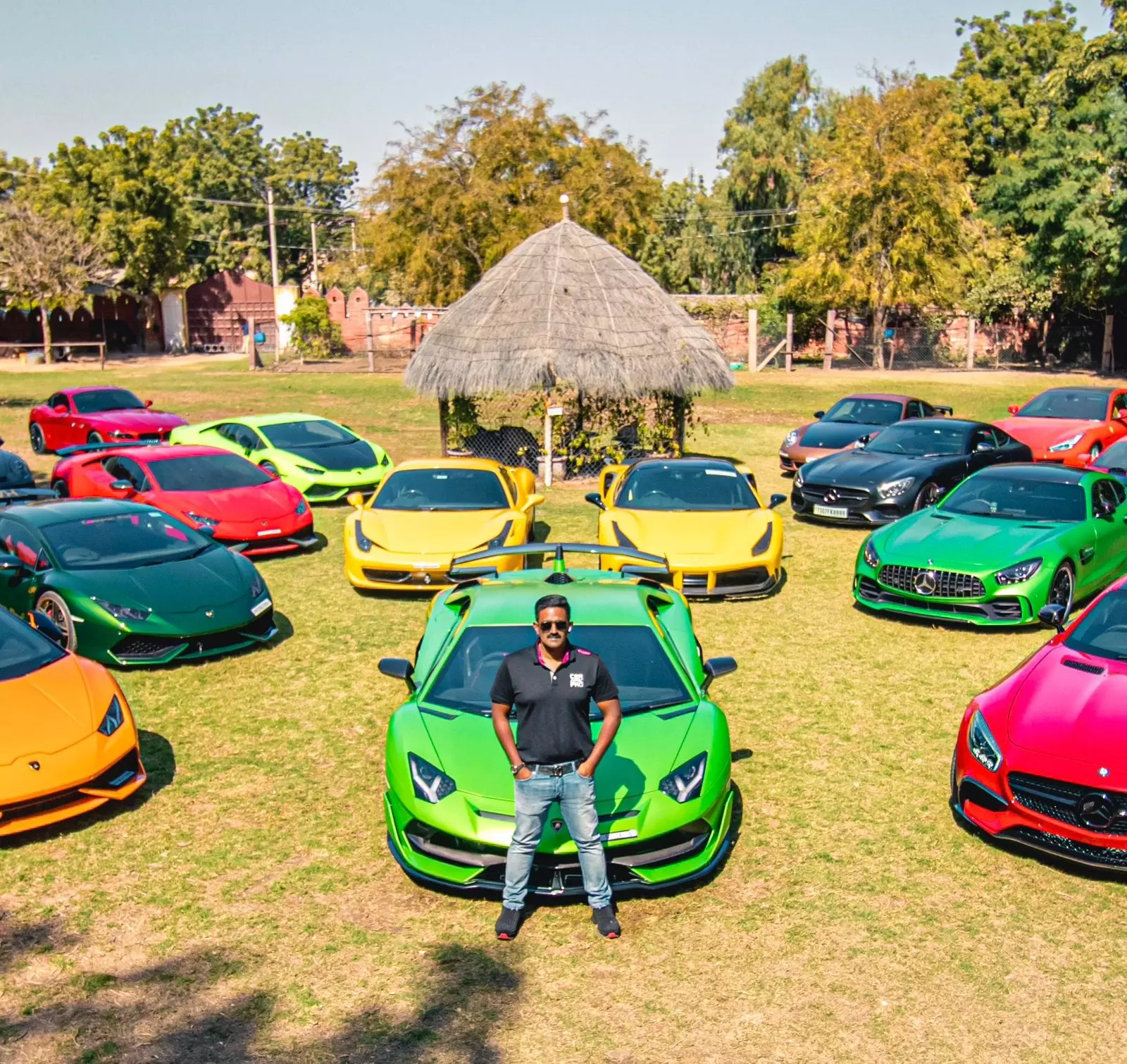
Hyderabad today has an estimated four to five active supercar clubs and private owner communities, a number that has steadily grown over the past few years. Their convoys slice through the city in V10 powerhouses like Lamborghini and the Lexus LFA, and V12 legends from Ferrari and Aston Martin. What was once a niche circle is now a visible, fast-growing movement.
Fueled by tech founders, real estate heirs and young industrialists, supercars are no longer rare sightings but weekend staples. Clubs are expanding, curated drives define the social calendar, and horsepower has become networking currency.
The wealth shift
Nishant Saboo, founder & director of Ceramic Pro India, believes Hyderabad’s transformation is organic — and deeply rooted in mindset. He owns a Lamborghini Huracán 610-4, Mercedes-Benz GLC AMG, BMW 740Li M Sport and a Ferrari F12 (in Dubai). For Saboo, the change is generational. As head of Supercar Community India Club, which brings together 180 of the country’s top supercar owners from across India, he says Hyderabad is fast emerging as one of India’s most exciting supercar hubs. “The new generation isn’t just building wealth, they’re building a lifestyle where supercars signal ambition, passion and identity,” he notes.
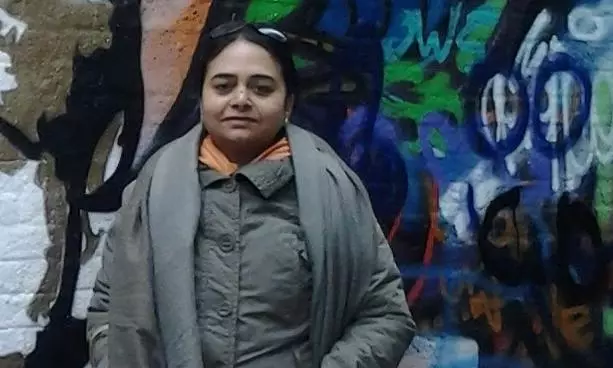
Adding perspective to that evolution is Neeta Kumar, cheif designer, Inhabit Design Studio. She sees the rise as a convergence rather than coincidence.
“It’s not one single factor driving this,” she notes. “It’s rising affluence, a flourishing luxury car market including strong pre-owned segments, a tech-powered economy and an increasingly visible enthusiast culture.” According to her, many buyers are first-generation achievers with global exposure and refined tastes. “There is aspiration, accessibility and community. That ecosystem makes Hyderabad genuinely attractive for supercar brands, collectors and enthusiasts alike.”
Adding to that sentiment is Kishan Lohiya, director of Lohiya Group of Refineries and and part of a supercar club. “I feel the supercar scene in Hyderabad is nothing short of electrifying. Lamborghinis, Ferraris and McLarens gleam under the city lights, turning every drive into a spectacle. Hyderabad doesn’t just admire supercars, it celebrates them with passion, style and unmatched energy.”
Together, industry leaders and entrepreneurs agree on one thing: Hyderabad’s supercar culture is no longer emerging. It has arrived, loud, visible and unapologetically confident.
Saboo plays a key role in shaping the culture. “I run the Supercar Community India Club, bringing together 180 of the top supercar owners across India. It’s not just about owning the machines, it’s about building a responsible network that truly lives the experience.”
Unlike older markets where cars remain garage trophies, Hyderabad’s machines are driven. Early morning airport runs, late-night city drives and weekend highway escapes are routine. Usage is high and so is the emotional connect.
Powered by legacy and speed
The father-son duo Sikander and Shayan Daredia of Daredia Construction say their bond is built around a shared passion for speed, luxury and high-performance cars. “We share a strong connection through our love for supercars. While experience brings perspective, youth brings fresh energy. Together, it becomes a powerful combination,” they note.
Sikander has established a respected presence in India’s growing supercar culture, while Shayan reflects the same enthusiasm at a young age. “It’s not just about owning these machines. It’s about passion, responsibility and inspiring the next generation of enthusiasts,” they add.
As Hyderabad’s automotive scene sees a steady rise in luxury and performance cars, the Daredias believe the culture is evolving rapidly — and they are proud to be part of that journey.
Clubs, community & currency
“The city today has around 4–5 active supercar groups and communities, bringing like-minded people together. These clubs are more than just about cars they are about networking, friendship and a shared love for performance machines. In many ways, they have become Hyderabad’s new age social circles,” says Nishant.
Hyderabad hosts multiple active supercar communities, and according to Nishant Saboo, that ecosystem sets the city apart. National groups such as the Super Car Club of India, along with founder-led private networks, have turned horsepower into social capital. “These platforms are expanding beyond cities and becoming pan-India communities,” Saboo says. “It’s not just about cars, it’s about access.” Business conversations happen over early-morning coffee stops. Partnerships spark during convoy drives. Invitations to curated, closed-door gatherings follow naturally.
The responsibility question
With rapid growth, however, comes heightened scrutiny. Nishant Saboo does not shy away from acknowledging the shift. “There has been a rise in younger owners, and occasionally, rash driving, often influenced by the pressure to create viral content,” he says. The conversation around responsibility intensified following a recent early Sunday morning accident in Jubilee Hills, where a luxury car was involved in a crash after its brakes reportedly failed. While investigations are ongoing, Saboo believes such incidents underline a larger truth about high-performance machines. “These cars are engineered for precision and power, but they demand equal discipline from the driver. Mechanical vigilance, regular maintenance and responsible driving are just as critical as horsepower.”
For Saboo, the issue is not ownership, it is mindset. “True enthusiasts understand that these machines demand respect. Safe driving, discipline and responsibility are just as important as performance.” Within Hyderabad’s growing supercar ecosystem, he notes a visible shift toward more structured drives, defined speed protocols and controlled environments. Organised events now prioritise safety briefings and responsible conduct as much as spectacle. “Performance may define the machine,” Saboo adds, “but responsibility defines the culture. As the community grows, it must evolve not just in scale, but in maturity.”
Status vs. Substance
For entrepreneur and hotelier Uday Pilani, the debate around supercars is layered. “Supercars are status symbols everywhere. They signal that you’ve arrived,” he says candidly. “For some, they’re meant to be seen, and there’s pride in that.” He acknowledges the criticism that often accompanies visible wealth in a country that still carries socialist undertones. “That’s the price of ownership, admiration from some, judgement from others. But as long as it’s earned honestly, to each their own.”
Yet Pilani insists that beyond symbolism lies genuine appreciation. “There’s a tribe that understands engineering, craftsmanship, artistry. To the positive-minded, a supercar is simply a beautiful sight on crowded streets.” He drives a Mercedes AMG. “It suits my overzealous driving style perfectly,” he says. “For me, it’s not about status. It’s about shared passion.”
For the Drive, Not the Display
Entrepreneur Vishwajit Reddy Konda says, “I drive my cars purely for the love of driving. If I’m pushing them, it’s only on the track — where they’re meant to be driven hard. I’m not really aligned with the whole supercar club culture anymore. It’s increasingly become about status and optics, and somewhere along the way, genuine enthusiasts — the ones who truly understand and respect the machines — seem to be getting edged out. For me, it’s always been about the drive, not the display