Prefabricated homes are becoming the new popular ‘starter home’ for India’s urban middle class
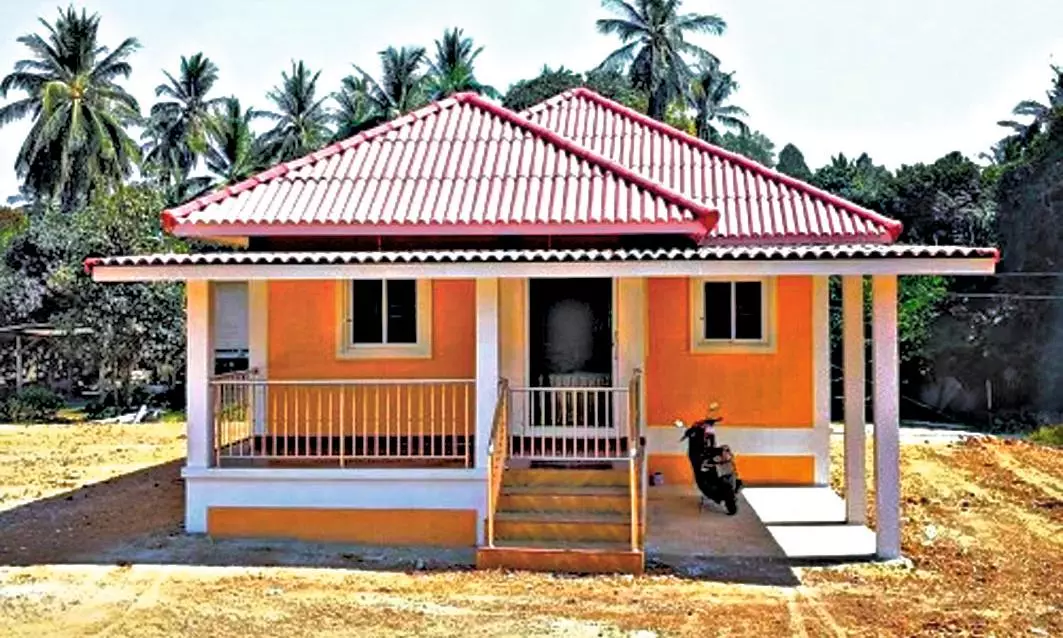
With rising rents and a housing crisis in most cities in India, ready-to-live, eco-friendly prefabricated homes are becoming the preferred choice of many urban folks in India. The money-saving math and logistics are simple. By the time a conventional house finishes curing its concrete, some Indians have already moved into their new homes.
Ready To Assemble
Across India’s city fringes, homes are moving beyond concrete and congestion. Faced with soaring real-estate prices, shrinking plots and long construction timelines, many homebuyers are turning to prefabricated, modular and even trailer homes. Built in factories, assembled on site, and ready in as little as 10–15 days. These structures are emerging as a practical alternative to brick-and-mortar homes, especially on farmhouses and peripheral plots around cities like Mumbai, Goa, Hyderabad, Bengaluru and Pune, Tamil Nadu and Kerala. What began as a niche for resorts and site offices is now being embraced by young professionals, retirees, artists and even first-time homeowners. Drive past the outskirts of any big city, and you will see prefab homes dotted in the distance with beautiful flower beds, a kitchen garden, solar lights and EV chargers.
Back To Basics
India’s urbanisation curve is steep, but affordability hasn’t kept pace. According to real estate consultants, land prices in and around major cities have doubled in the last decade, while construction costs have risen 20–30% since the pandemic in India. Prefabricated homes promise a workaround. “These homes reduce uncertainty,” says Aryan Raj, a Mumbai-based green architect. “You know the cost upfront, the build time is fixed, and there’s very little material waste.” He adds, “A prefab home doesn’t mean temporary living anymore. It means controlled, efficient living.”
Work In Progress
Prefabricated homes are manufactured in sections -- walls, floors, roofs in controlled factory environments. These modules are then transported and assembled on site. Trailer homes, or homes on wheels, follow a similar logic but are mounted on a chassis of the trailer vehicle, allowing easy mobility. Unlike conventional construction, prefab systems reduce on-site labour, water usage and dust pollution. Most providers offer plug-and-play solutions, including plumbing, wiring, insulation and interiors.
Quality + Creativity
• Factory-built modules
• On-site assembly: 7–15 days
• Minimal debris and noise
• Predictable costs
The Green Touch
Environmentalists see prefab housing as a step toward more responsible construction. Tradi-tional buildings consume vast amounts of water, sand and cement, and add to heavy carbon footprints. “Prefab homes typically use 30–40% less material,” notes Shravani Patel, an environmental planner working with sustainable housing projects. “They also adapt well to solar panels, rainwater harvesting and composting toilets.”Many designs incorporate steel frames, engineered wood, recycled insulation and energy-efficient glazing. Smaller footprints also mean lower energy consumption over time.
Beyond City Limits
The strongest demand is not within cities, but just outside them. Farmhouse plots, inherited land and weekend homes are ideal use cases. A Hyderabad-based startup reports that over 60% of its clients are building second homes on the outskirts, spaces for slow living, remote work or short-term rentals. Goa, in particular, has seen a rise in prefab cottages catering to the tourism economy.
The Cost Factor
A basic prefab home can start at Rs 1,800–Rs 2,500 per sq ft, depending on materials and finishes. Trailer homes range widely, from ?12 lakh for compact units to ?40 lakh for luxury versions. While these costs may not always undercut low-budget masonry homes, buyers save on time, financing interest and overruns, often the hidden costs of traditional construction. Several leading online websites like Amazon, Aajjio, IndiaMART are teeming with photos and package deals of modern prefabricated homes.
Legal Grey Areas
Despite growing popularity, regulation remains uneven. Zoning laws, local panchayat rules and permissions vary by state. Trailer homes, in particular, exist in a legal grey zone when used as permanent residences. Architects advise buyers to clarify land-use rules and utility permissions before investing. “The structure may be fast,” says a reputed Pune-based planner, “but approvals still move at human speed.”
Make A House Call
As home designs improve and awareness of budget-friendly green homes grows, prefab housing is shedding its “temporary” tag. With climate concerns, affordability pressures and a desire for flexible living, these homes may soon become a mainstream choice rather than an alternative. For now, they represent something rare in India’s housing story: speed without chaos, simplicity without compromise.

