The world’s most fascinating taxi stories
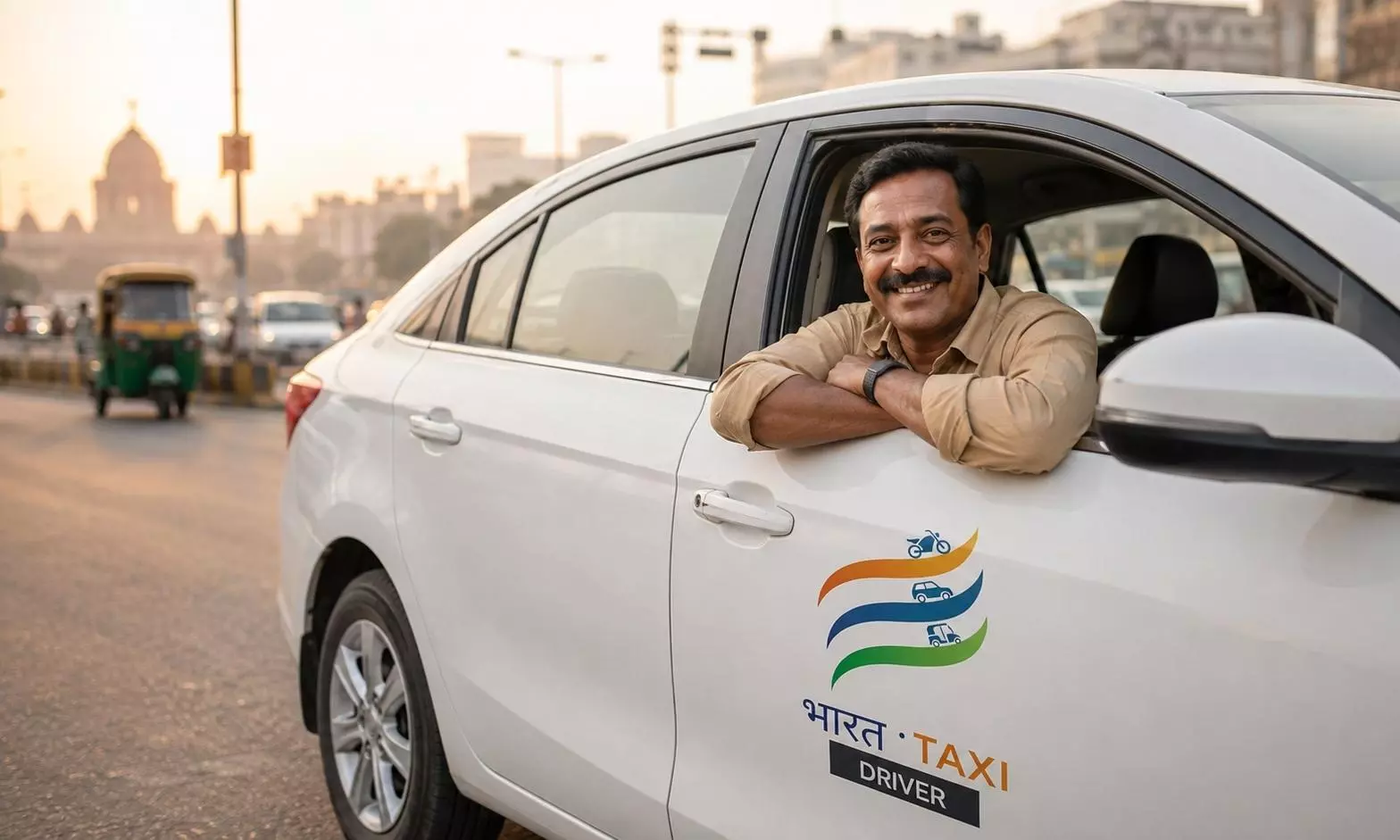
Ramesh Chandra starts his morning the way he has for a decade, wiping down his sedan’s dashboard before the city wakes. But something is different now. The app glowing on his phone is not owned by a distant company answering to shareholders in California or Bangalore. He owns a piece of it himself.
Bharat Taxi launched on February 5, 2026, in New Delhi, billed as India’s first driver owned ride hailing platform. Its slogan, “Sarathi hi malik,” translates roughly to “The driver is the owner,” and the claim is structural, not sentimental. For 500, about six dollars, a driver buys share capital in Sahakar Taxi Cooperative Limited, the entity behind the app, acquiring formal membership and ownership rights rather than simply signing up as a contractor.
Behind Bharat Taxi stands a consortium of eight national cooperative institutions, including Amul, NAFED and NABARD, giving the platform an institutional backbone that few ride hailing start ups can claim.
Officials are careful to note what Bharat Taxi is not. Despite its cooperative branding and political support, the Ministry of Cooperation has stated plainly that no government funds, equity or incentives went into building it. The state has encouraged the cooperative framework; it has not bankrolled the company.
The Arithmetic of Belief
The numbers, delivered to the Rajya Sabha on August 12 by Union Minister Amit Shah, tell a story of fast onboarding. As of August 4, Bharat Taxi had registered 8.48 lakh drivers and 44.27 lakh customers, facilitating 11,106 rides daily, with cumulative driver earnings crossing 83.70 crore. The platform now runs in Delhi-NCR, Gujarat, Maharashtra and Rajasthan, with Delhi-NCR alone logging 5,574 of those daily rides, followed by Gujarat at 3,817.
Six months of enrollment at this pace is undeniably fast. But the government’s own figures stop short of disclosing how many of those registered drivers or customers are actually active on any given day, so the ratio of accounts to rides raises a fair question rather than settling one: has Bharat Taxi built a habit, or merely a waiting list?
“Ramesh doesn’t think in ratios. He thinks in fares, and in a small, stubborn hope that the app he now partly owns will one day feel less like an experiment and more like Delhi’s daily rhythm.”
‘Didi at the Wheel’
Bharat Taxi has layered in a women’s mobility push alongside its cooperative pitch.
· Through Sarathi Didi, women passengers can choose a woman driver where one is available, an option aimed at easing the everyday calculus many riders make before booking a cab alone.
· A companion initiative, Bike Didi, works the other side of the equation, recruiting women into bike taxi work rather than simply serving them as passengers; official figures put enrollment at over 150 women drivers by February 2026
Around the World in Strange Cabs
Some cabs just get you there. Others have a story to tell.
1. Turtle Taxi (Japan)
2. SeaBubbles (France)
3. Dubai’s pink-roof Ladies Taxi
4. The Donkey Taxi of Kenya
5. Monte Toboggan (Madeira, Portugal)
6. Dogsledge Taxi (Greenland)