Hair straightening chemicals can expose you to serious health risks like uterine cancer, skin irritation, etc, doctors give some advice
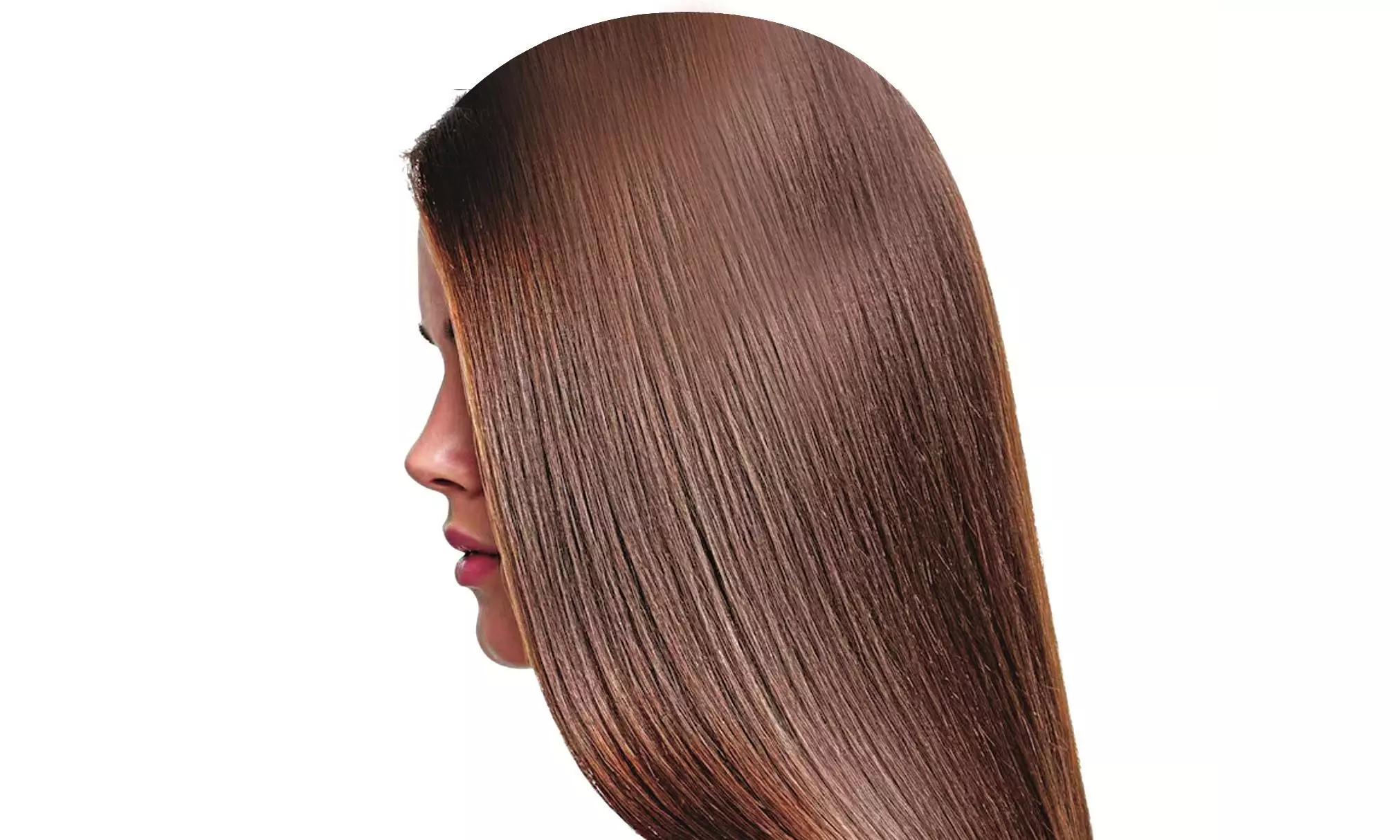
The salon chair demands surrender. You sink into it with a paper cup of lukewarm tea, a glossy magazine, and the quiet belief that today’s treatment will smooth out more than just your hair. Sleek. Shiny. Straightened. Words that sell certainty, discipline, control in a world that offers very little of it. What they don’t sell is the price of that promise, or how heavily it could cost you.
In recent times, science has exposed an unpleasant thread: the link between frequent chemical hair treatments and an increased risk of uterine cancer.
From Crown to Core
“Among women who use chemical hair treatments about three to four times a year, there is an increased risk of uterine cancer,” says Dr. Shailya Gupta, a Dermatologist from Delhi. Dr Shailya opines that for those who don’t opt for such treatments, there is no reason to panic.
A recent study published by the National Institutes of Health has sounded a stark warning: women who regularly use chemical hair-straightening products face a significantly higher risk of developing uterine cancer. The link was clear—and troubling. No such association was found with other commonly used hair products such as dyes, bleach, highlights, or perms. The danger, it seems, isn’t in changing colour or texture—it lies in chemically forcing hair to behave a certain way!
The findings point to an association rather than a direct cause-and-effect relationship. Dr Shailya says, “The study observed that women who frequently use chemical hair treatments—particularly straighteners—showed a higher risk of uterine cancer compared to those who did not. This does not imply that hair treatments directly cause uterine cancer.” However, it raises concerns about the potential harmful effects of prolonged exposure to such chemicals.
Dissecting the Science
One may wonder how chemical treatments can cause or eventually lead to the onset of uterine cancer. The answer is simple. Think of hair chemical treatments like cocktails – often potent ones. Many of them contain endocrine-disrupting chemicals such as phthalates, parabens, formaldehyde-releasing agents and bisphenols. These substances, in particular, are known to interfere with hormones, especially estrogen. And when estrogen goes rogue, the uterus is often caught in the crossfire.
Point being, the uterus is exquisitely hormone-sensitive. It listens. It responds. It remembers. Dr Ruchir Bhandari, FRCR (London), DNB Clinical Oncologist and Head of Cyberknife Radiosurgery says, “Unlike medicines, cosmetic products often reach the market without long-term safety data and ingredient labelling may not fully reflect cumulative health risk.”
Dr Ruchir opines that uterine cancer is strongly influenced by hormonal imbalances. Particularly estrogen. Dr Ruchir explains, “Many of these hair straightening products contain chemicals that are absorbed through the scalp, especially if there is irritation or micro-injury.”
What really fuels the risk is repetition—every six weeks, every festive blow-dry-and-straighten ritual, every “just a quick touch-up.” Over time, these chemicals don’t just sit on the hair; they can seep in through the scalp, be inhaled as fumes, or slip into the bloodstream through tiny, unnoticed cuts. The uncomfortable truth? In the pursuit of beauty, what we apply on the surface doesn’t always stop there.
Better Safe Than Sorry
To reduce potential risks from chemical hair treatments, it is important to be mindful of the frequency and exposure. Dr Shailya advises, “Reduce the frequency of chemical hair treatments and if possible, try not to opt for these as in the long run they damage the hair and cause hairfall.”
She further recommends choosing hair products that are free of formaldehyde and other harsh chemicals. Maintaining a healthy weight, she notes, plays an important role in hormonal balance and overall reproductive health. Other better alternatives one could go for are heat styling, temporary smoothing methods or less toxic formulations that may limit, if not eliminate, the chemical load.
Dr Ruchir notes that this is not the first time that widely used personal-care products have come under scrutiny for potential cancer risks. He points out that for decades, talc-based baby powders were regarded as entirely safe. However, long-term studies later indicated a possible link between genital talc use and ovarian cancer—a revelation that ultimately triggered thousands of lawsuits worldwide.
He quips, “History has shown us — whether with tobacco, asbestos, or talc-based baby powder — health risks from daily-use products may take decades to become clear, hence caution is mandatory.”
The Revelation
Every day beauty rituals are not as harmless as they appear. Products trusted for years, sometimes decades, can quietly carry risks that surface only much later. The takeaway then, isn’t panic – it is awareness. Reading labels, questioning trends rather than blindly
following them, moderating exposure, and listening to our bodies may not feel glamorous, but they are acts of long-term self-care. When it comes to health, the real beauty lies not in instant shine or sleekness, but in safety, balance, and informed choices!

