Glass Bangles Make a Wrist-Oric Comeback

From Firozabad bazaars to fashion runways in France and Milan, the Indian glass bangle (aka churi, bangdi) has ‘clinked’ its way to become chic couture
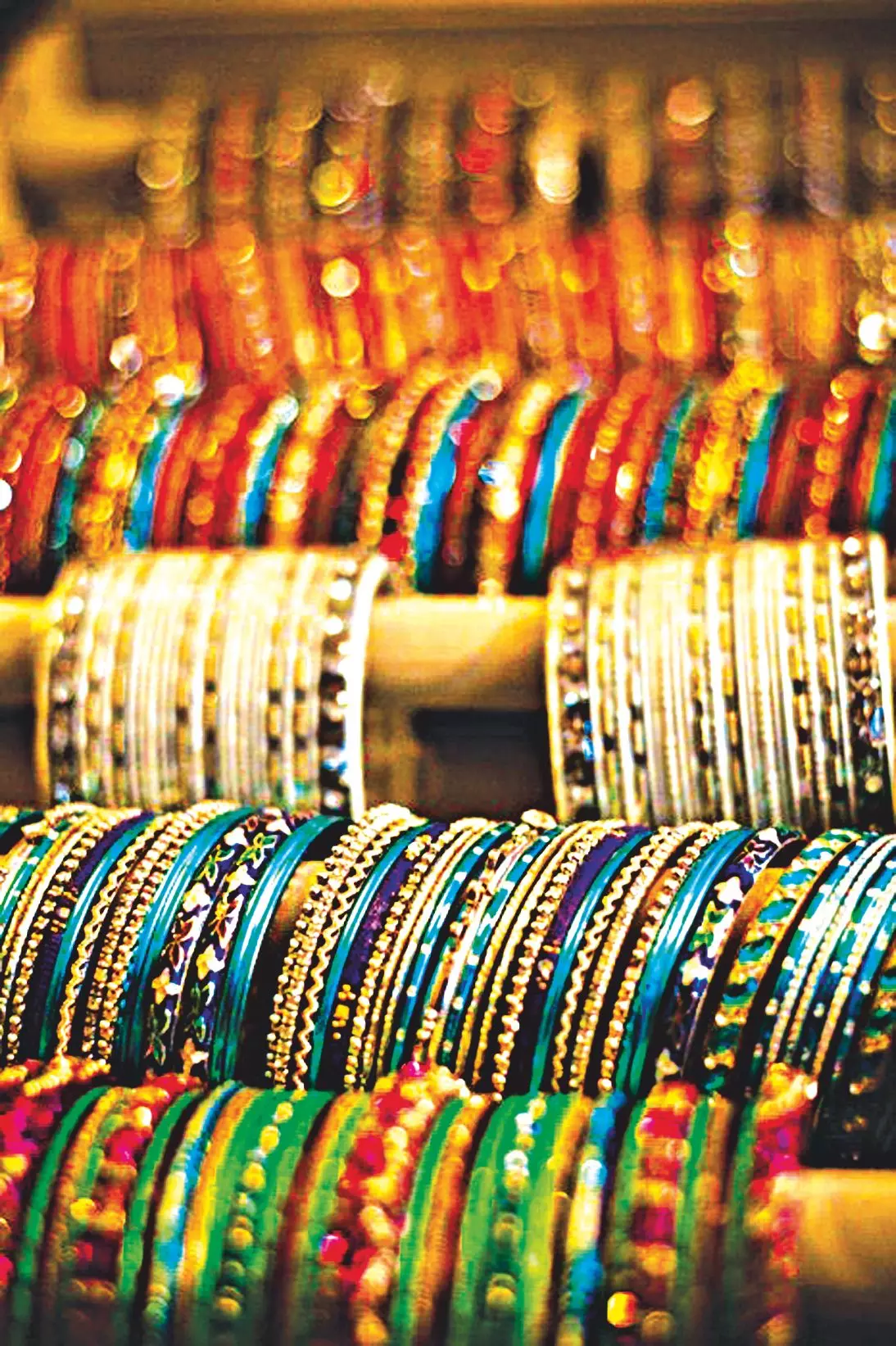
Leading ladies in Bollywood and Tollywood are bringing back the timeless charm and elegance of glass bangles. And, mind you, they’re doing it wristfully with flair. Once seen as old-fashioned, these colourful clinking circles of nostalgia are now the coolest accessory in the room. From pastel stacks to monochrome armscapes, the desi-core revolution is here — one bangle at a time.
The Wrist Edition
Today, the glass bangle clink has caught on like a peppy jingle. There was a time when glass bangles belonged in your grandmother’s jewellery box — wrapped in soft tissue, saved for weddings or religious occasions. Fast forward to 2025, and those same bangles are now sparkling under paparazzi flashes.
It started subtly — Alia Bhatt wore a pastel stack with a chiffon saree during a film promotion, and the internet went “aww.” Then came Janhvi Kapoor with her monochrome bangle game, matching her glass bangles to her bold makeup looks. Kiara Advani soon added a modern twist, pairing her glass bangles with sleek fusion wear — and just like that, the humble desi — churi, chudi, bangda, bangdya — became couture gamechanger again.
Fashion stylist Ria Mehra says, “Glass bangles are no longer just an ethnic accessory — they’ve become a mood. There’s a sense of nostalgia and playfulness that people are drawn to, especially in an era obsessed with roots and reinvention.”
The once-traditional ornament has re-entered pop culture with purpose — mixing the shimmer of heritage with the sass of modern styling.
From Bazaar to Runway
The bangle’s journey from roadside bazaar to runway bling is a Cinderella story in itself. For decades, fashion was about metal cuffs, chunky resin bracelets, or diamond-studded wristwear. Glass bangles, considered too delicate and too “local,” quietly faded into the background.
But desi-core changed everything. With Bollywood’s growing love for homegrown craftsmanship, everything vintage and Indian-made suddenly felt chic again. Designers started sourcing handmade bangles from local artisans in Firozabad, Hyderabad, and Jaipur — the glass-bangle capitals of India — and styling them with contemporary outfits. Not many know that Firozabad in Uttar Pradesh continues to be the top glass bangle hub in the world.
Even global runways picked up the cue. Indian designers at Paris and Milan fashion weeks were spotted layering colourful glass bangles with gowns, blazers, and corsets — a nod to heritage done with high-fashion confidence.
“Fashion is cyclical,” says accessory designer Meenal Kapoor. “What was once dismissed as ‘too traditional’ is now an aesthetic statement. The clink has become couture.”
Clinkonomics
Behind the trend’s glitter lies a quiet economic story. The rise of the bangle boom has breathed new life into India’s fading glassware industries. Artisans in Firozabad, known as the “City of Glass,” say orders have doubled in the past year, thanks to social media trends and celebrity styling.
“Earlier, we made mostly for weddings and festivals. Now, we get calls from stylists and influencers who want specific colour shades or finishes,” says Rafiq Ahmed, a fourth-generation glass artisan.
Brands are taking note too. Fashion houses like Sabyasachi and Raw Mango have begun incorporating handcrafted glass bangles into their campaigns, while boutique labels sell curated bangle sets online — tagged as “vintage-inspired,” “eco-handmade,” and “heirloom revival.”
It’s not just about fashion; it’s about sentiment. Younger buyers love the story behind each bangle — handmade, sustainable, and steeped in legacy. In a world of fast fashion, the humble churi feels refreshingly slow, soulful, and circular — literally.
The Desi-Core Effect
Let’s be honest — the desi-core wave has taken over wardrobes, feeds, and films. Sarees with sneakers, bindis with blazers, and now glass bangles with everything. It’s not about nostalgia for nostalgia’s sake — it’s about blending comfort with culture, tradition with trend.
“Bollywood has always had a soft spot for symbolism,” says Ahmed “In the early 2000s, bangles meant romance and innocence — think Aishwarya Rai in Hum Dil De Chuke Sanam or Rani Mukerji in Bunty Aur Babli. Today, they signify individuality. It’s not about matching them to your outfit — it’s about making them clash, sparkle, and speak.”
Social media has amplified the movement. Every #OOTD (Outfit of the Day) post featuring clinking wrists is both a nod to tradition and a style flex. Influencers are pairing bangles with denims, jumpsuits, and even office wear — because why shouldn’t your Google Meet have some glamour?
It’s not cultural appropriation — it’s cultural appreciation, done authentically. The churi has reclaimed its cool.
The Sound of Sentiment
Part of the glass bangle’s new charm lies in its emotional resonance. In an age of hyper-digital life and mass-produced aesthetics, the clink of a glass bangle feels intimate — a sound that’s deeply rooted in memory. It’s your mother getting ready for a festival, your aunt dancing at a wedding, your childhood self-stacking bangles until they slipped off.
That sound, that shimmer — it’s more than fashion; it’s feeling. And perhaps that’s why it’s back.
For a generation balancing hustle and heritage, the glass bangle is a perfect metaphor: fragile yet bold, traditional yet trending. It’s proof that even the most delicate things can make the loudest statement.
So the next time you hear that clink, don’t dismiss it as old-school. It’s the sound of a comeback — one that’s sustainable, sentimental, and stylishly subversive.